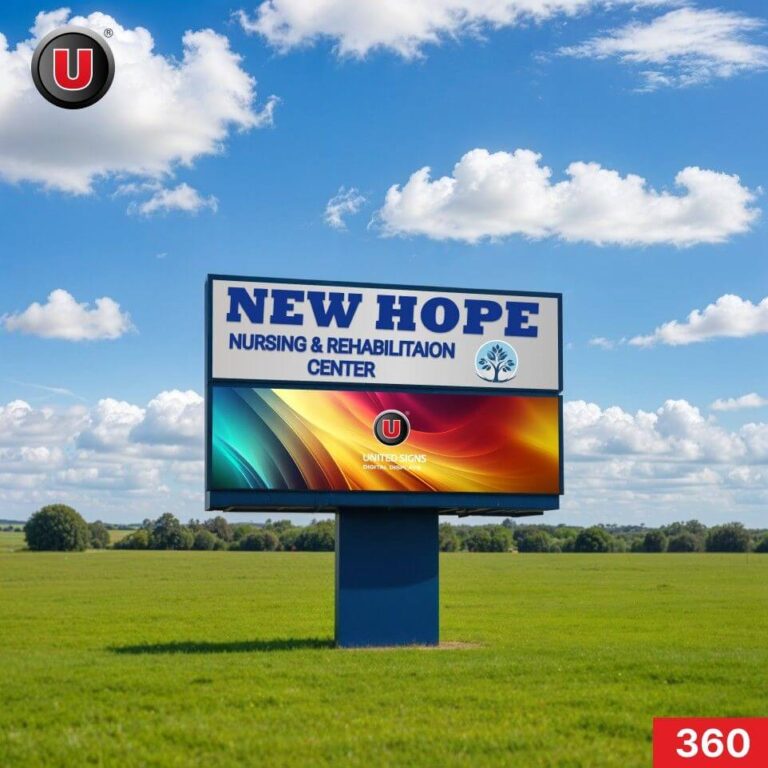
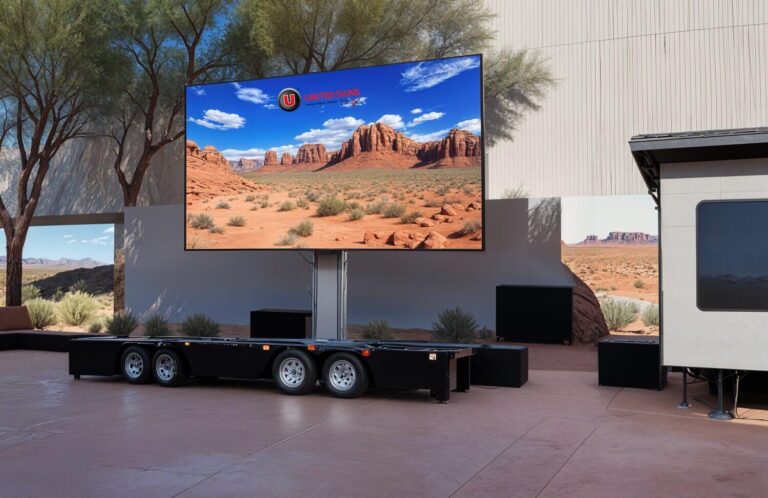
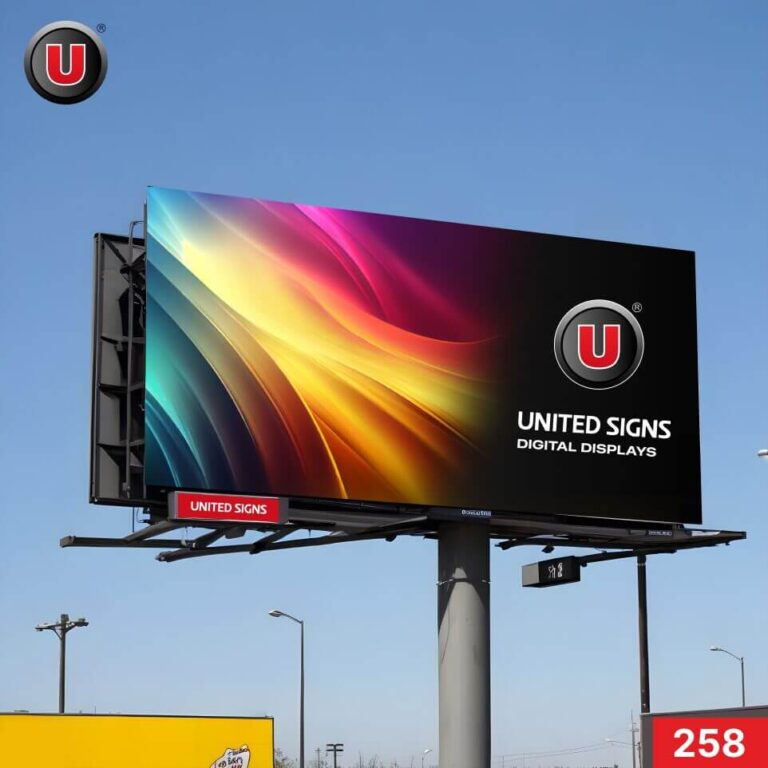
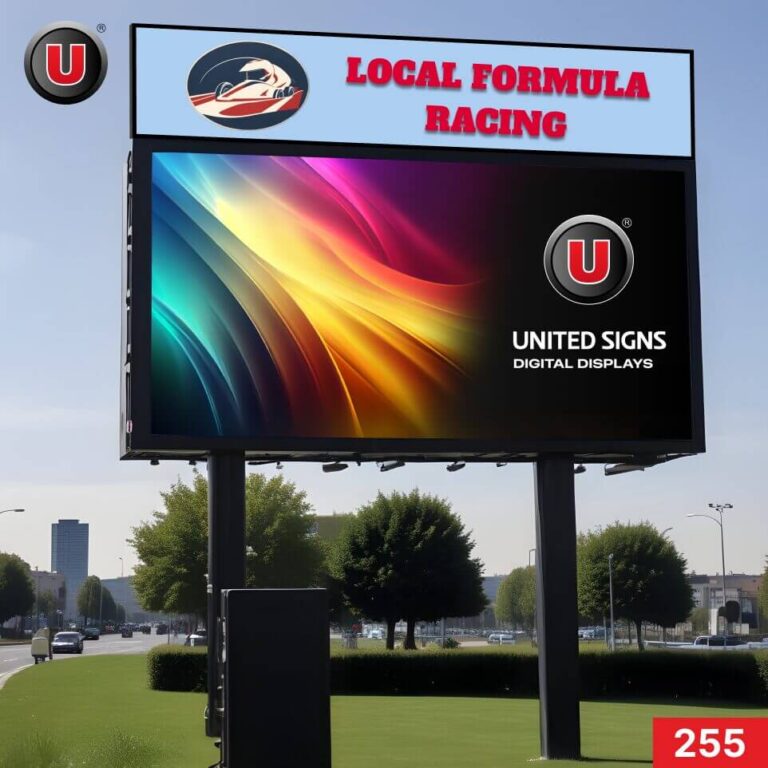
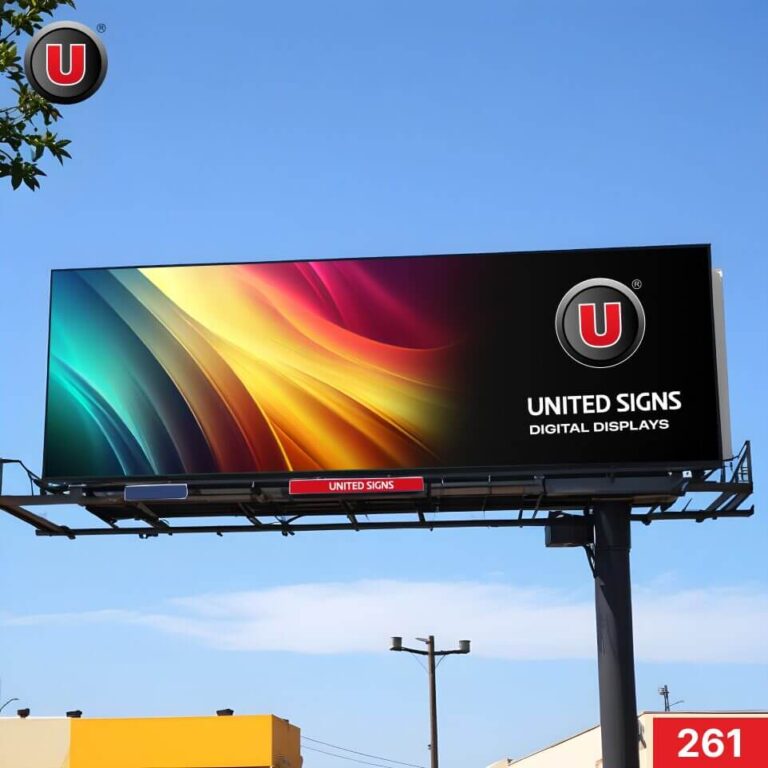
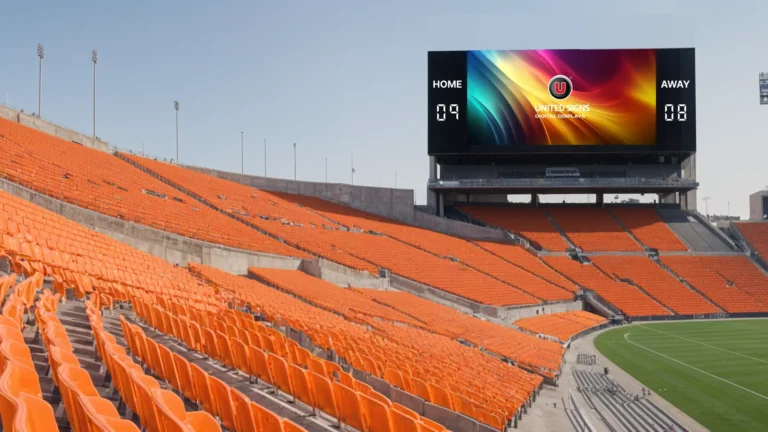
United Signs designs and installs entertainment signage for theaters, arenas, concert halls, and event venues. Interior and exterior, all handled by one team.
Shop Now
United Signs uses only the best LEDs to guarantee the highest image quality, unified illumination, color, and power efficiency.

We aspire to build the most reliable and consistent LED displays that meet your specific design and technical requirements.
United Signs offers user-friendly technology that helps clients produce stimulating content experiences.
United Signs is here to assist. We provide installation and training support by phone, online, or in person with our local sales teams.
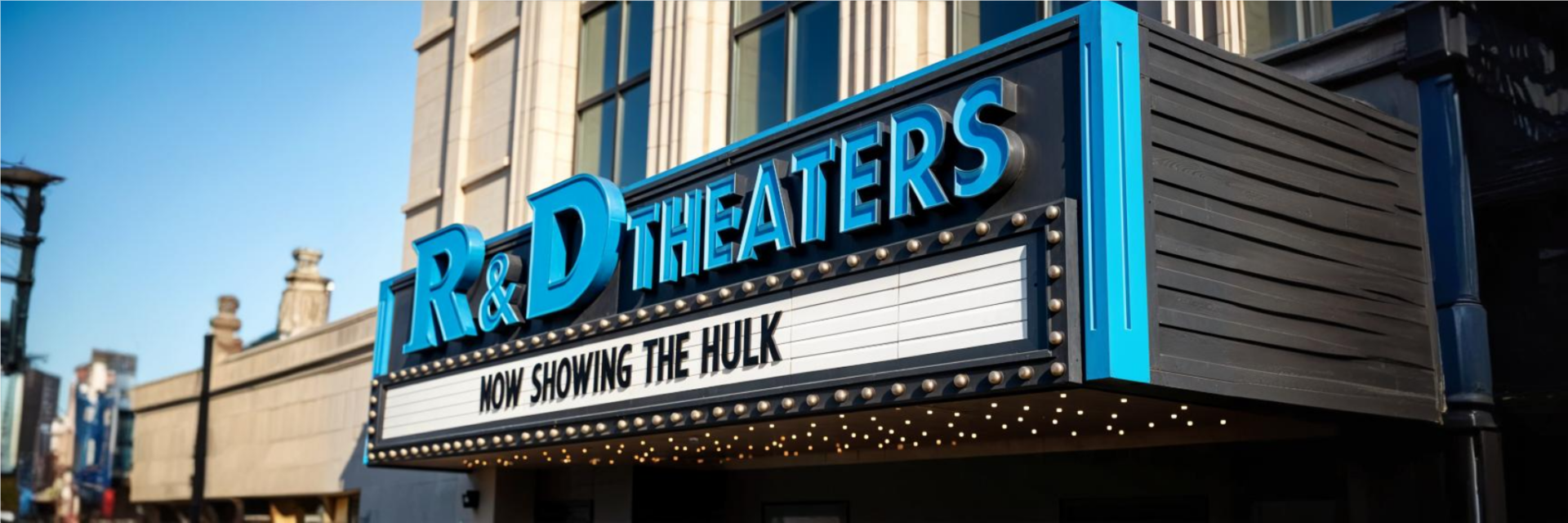
Entertainment venues are not a single space with a single audience. On a big event night, guests arrive from different directions, look for different things, and need to move efficiently through every part of your property. Here's every touchpoint we cover:
Marquee signs, building identification, and digital displays that announce what's happening and pull attention from the street before a single ticket is scanned.
Directional signs for lots, drop-off points, rideshare zones, and accessible parking. The arrival experience starts before anyone reaches the door, and confusion here sets a bad tone for everything that follows.
Clear queue markers, ticket window identification, and will-call signage. When a thousand people arrive in the same 30-minute window, clarity at the entrance is not optional.
Section markers, concession stand menus, and restroom signs. The easier these are to find and read, the less time guests spend wandering and the more time they spend at the event they paid to attend.
Section numbers, row markers, and VIP zone identification. Even experienced venue guests check their ticket against the signage. Clear markers reduce wrong-seat situations and the staff time that goes into resolving them.
Elevated signage for club sections, suites, and premium lounges. These guests paid more, and the signage around their experience should reflect that without being over the top.
Load-in zones, production entrances, green room markers, and crew wayfinding. Events require a lot of people moving through the same building, and clear back-of-house signage keeps operations running without interruption.
Most venues revisit signage after a guest complaint, a renovation, or a rebranding. Here's what's happening before it gets to that point:
An attendee who spends 20 minutes finding their seat, gets in the wrong concession line, and can't locate the restroom during intermission is not having a great night regardless of the performance. Signage controls a bigger slice of the guest experience than most venue operators realize.
Every question a guest asks a staff member is time that staff member is not doing their actual job. Clear wayfinding at key decision points cuts down on the interruptions, particularly during peak arrival and intermission windows.
Guests who can't find the concession stands or can't read the menu quickly move on. Clear, well-lit menu boards placed where foot traffic actually flows increase order volume without any additional marketing spend.
Exit signage, emergency route markers, and capacity signage are not just regulatory requirements. In a genuine emergency, clear signage is the difference between an orderly exit and a dangerous situation. These signs need to be visible, legible, and correctly placed.
In an age where every attendee has a phone, a bad experience gets posted quickly. A venue that feels organized, well-signed, and professionally run reduces that risk at every touchpoint guests encounter before the event even starts.
Entertainment venues are busy by nature. On a big event night, thousands of people are moving through the same space at the same time. The ones that handle it well usually have one thing in common: the signage tells people where to go before they have to ask. Seats, concessions, restrooms, exits. When guests can find these without stopping someone, your staff can focus on doing their actual jobs.
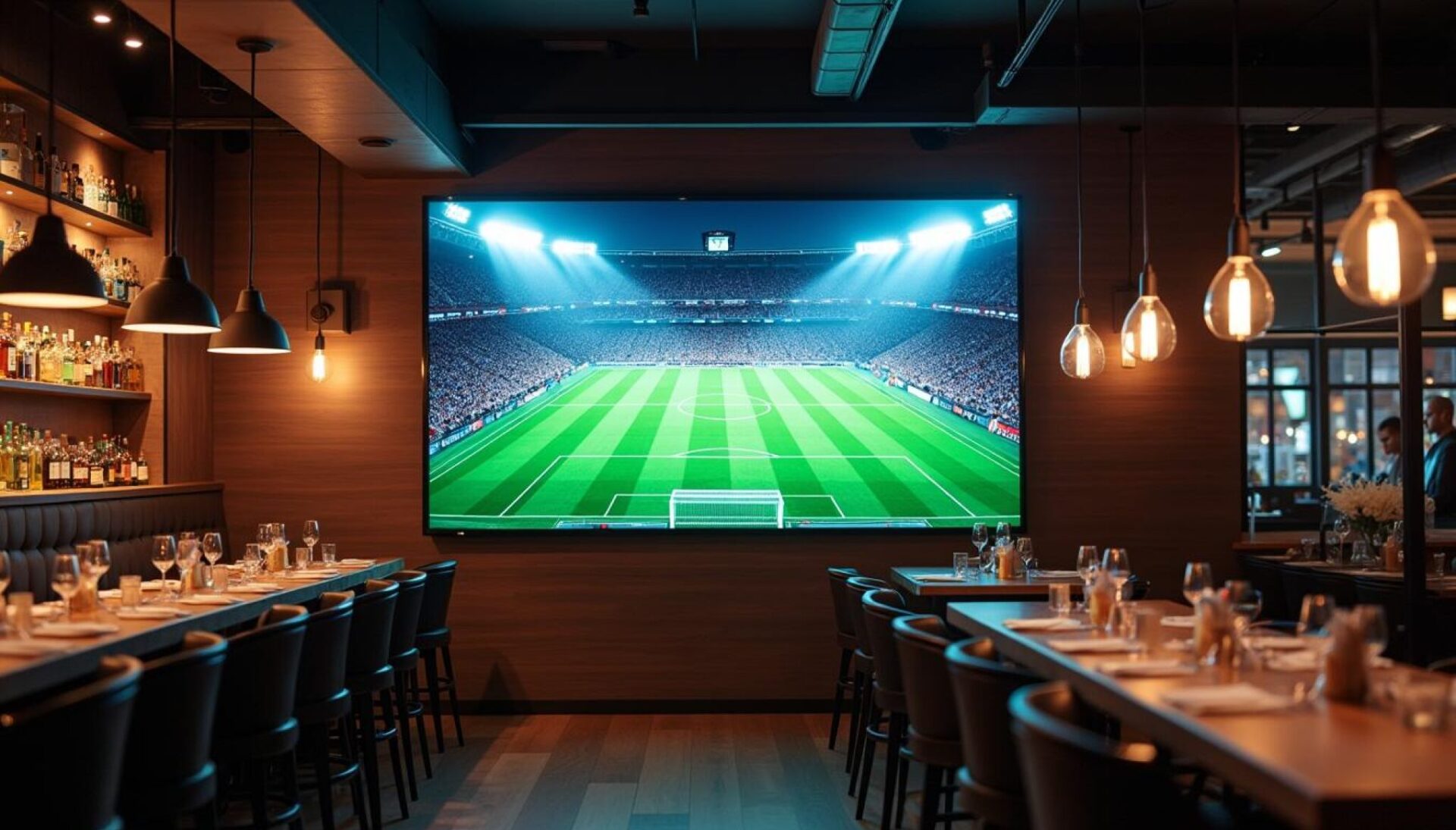
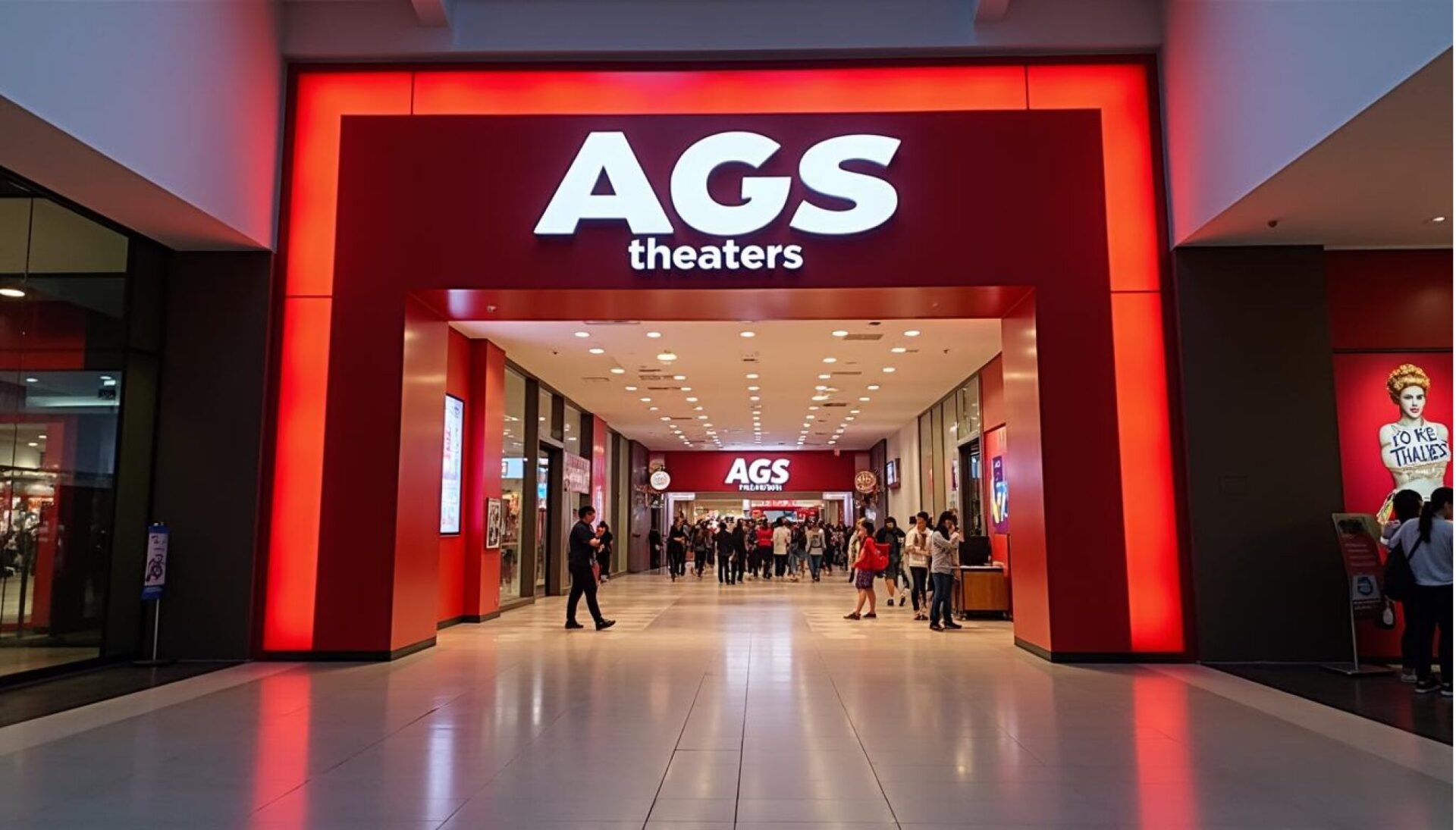

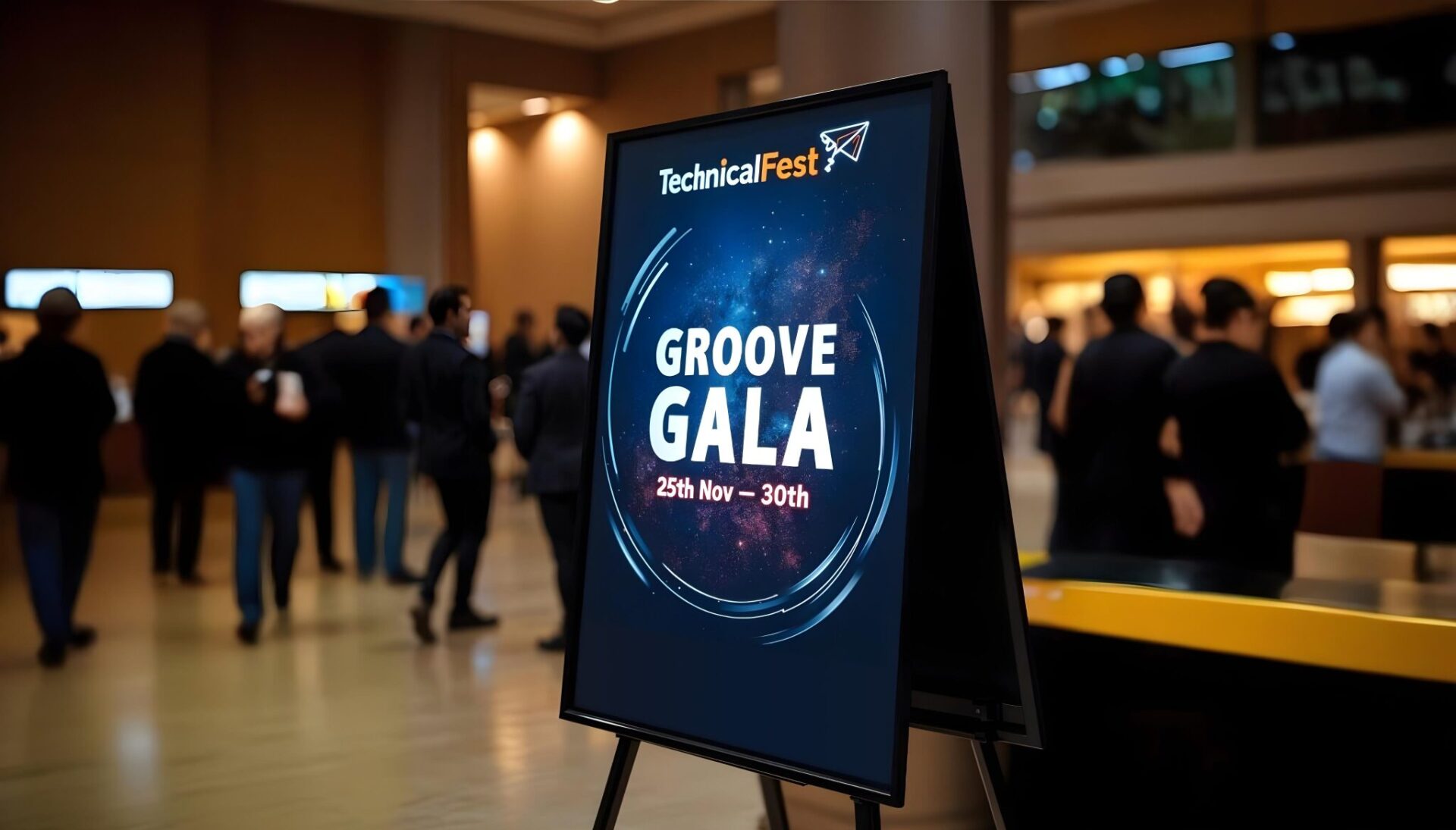

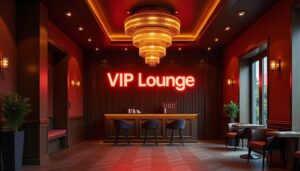
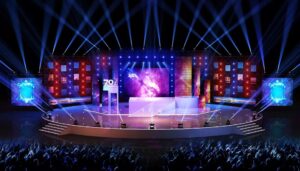
Your venue exterior is visible every day, not just on event nights. People driving past are forming opinions about the place before they ever look up showtimes. And when an event does go on, the outside of your venue needs to move a lot of people in the right direction quickly. Parking, entrances, drop-off points. Getting that wrong at scale is a real problem. Good exterior signage handles it before it becomes one.
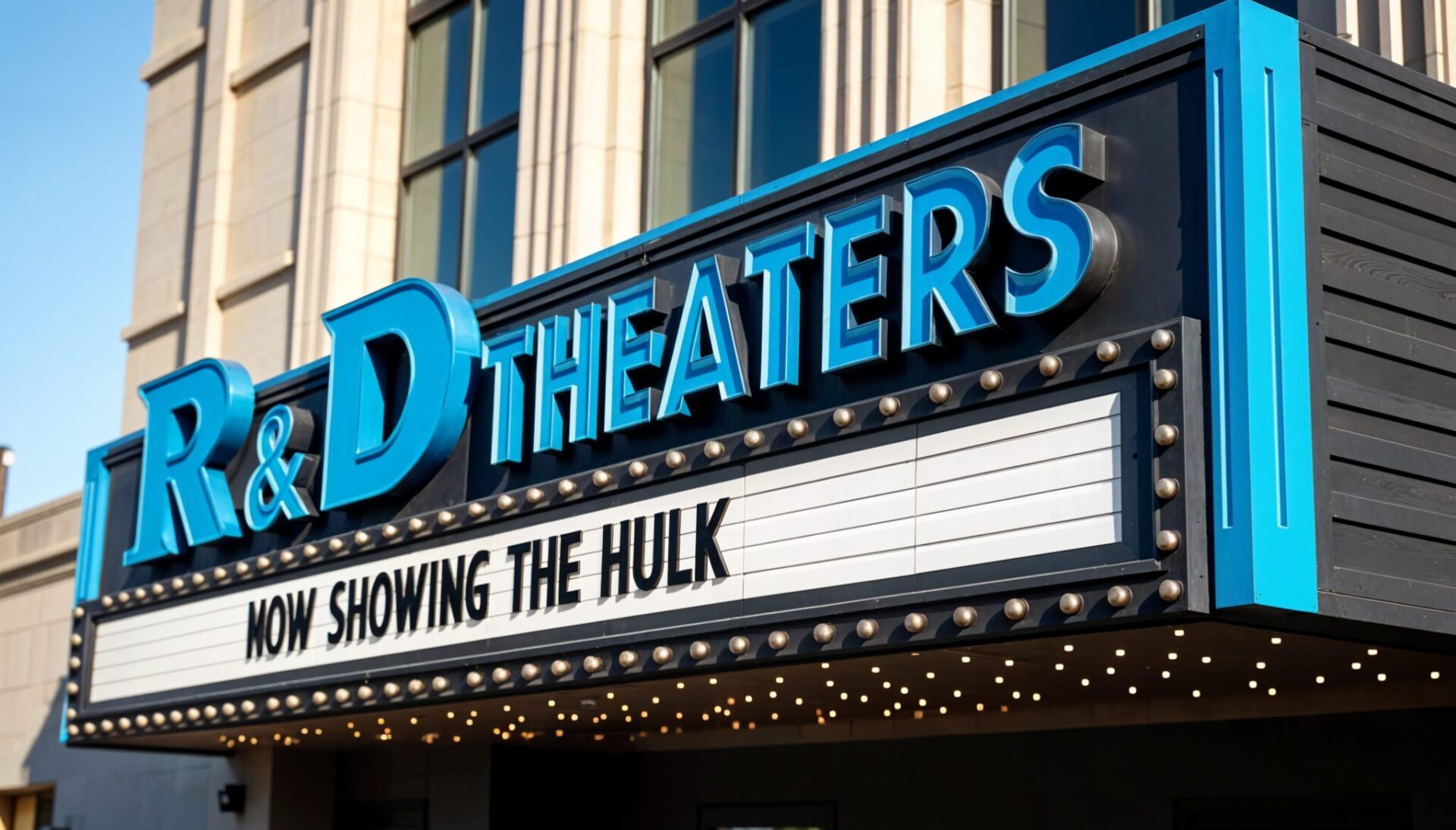
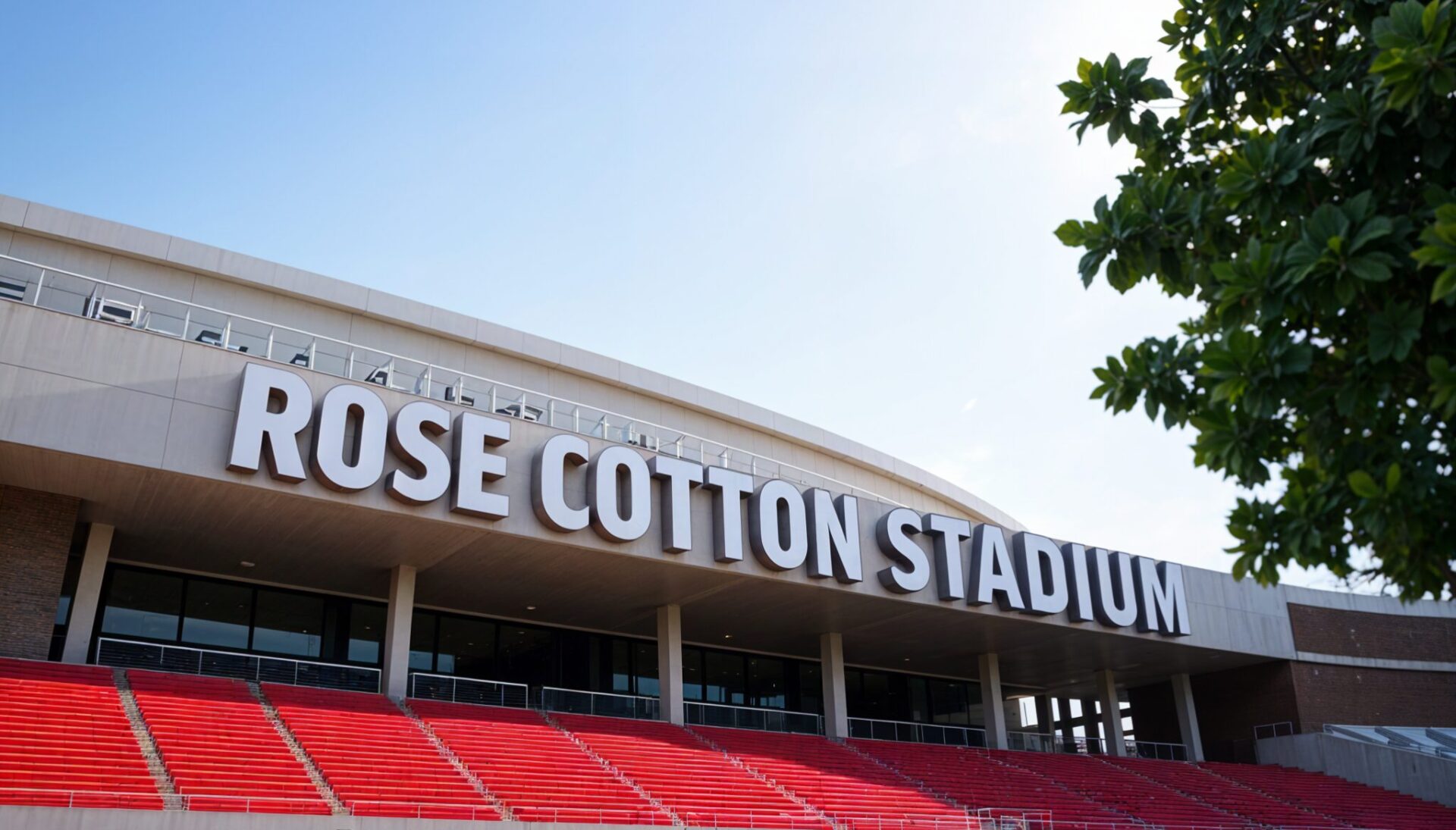
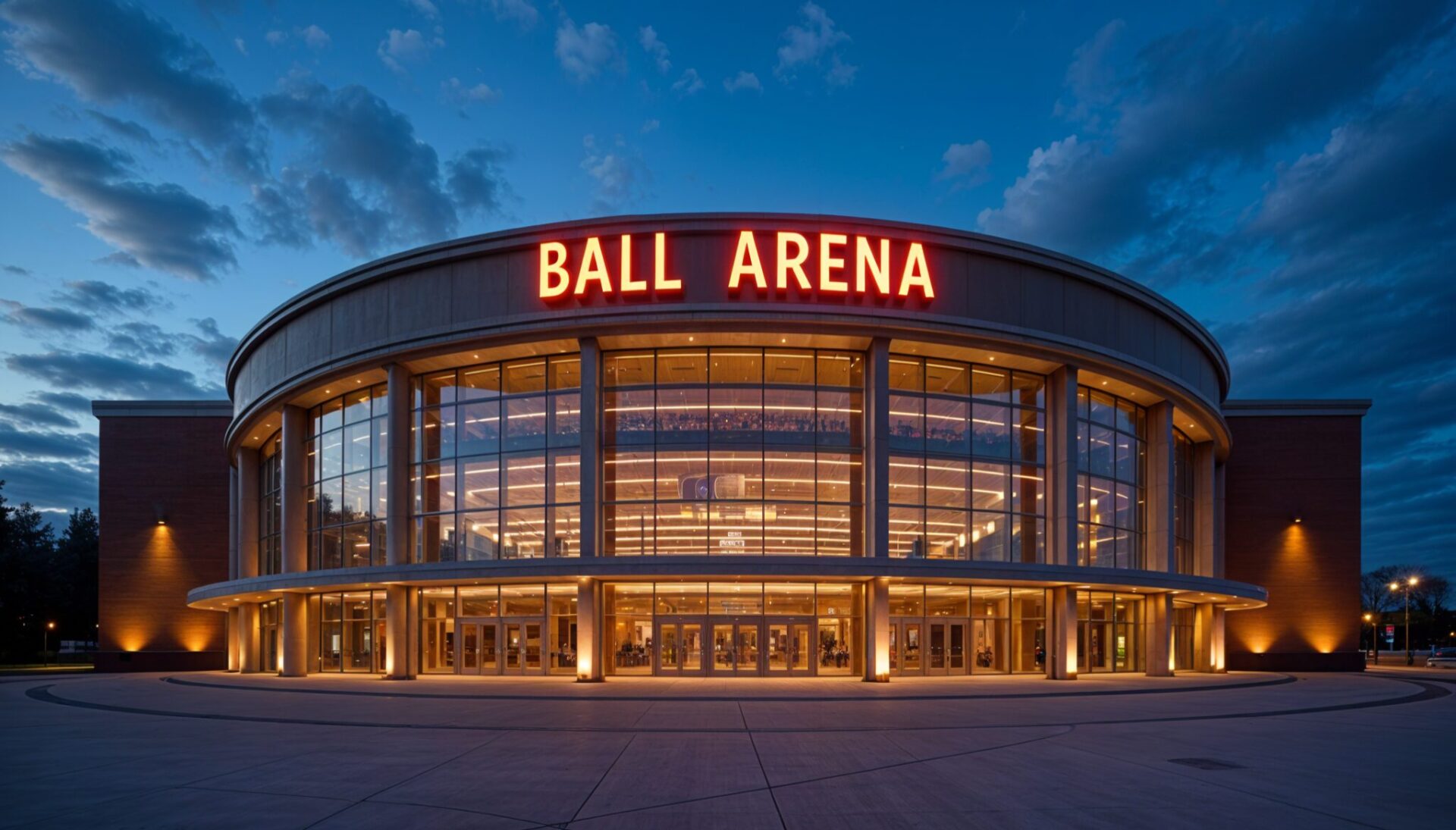




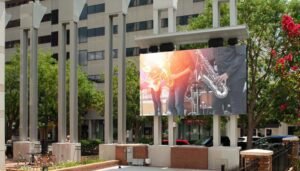
Venues carry a different compliance load than most buildings because they're built around large, fast-moving crowds. Occupancy limits dictate exit signage and capacity postings. Fire marshals require clearly marked egress paths, illuminated exit signs, and unobstructed sightlines to them. ADA requirements cover accessible seating markers, box office windows, and wayfinding throughout the venue. Add in local ordinances around marquee brightness, event signage permits, and noise or light restrictions in dense entertainment districts, and a venue project has more boxes to check than it looks like at first glance. We've worked through these requirements on theaters, arenas, and event spaces across the country. We know how to document fire marshal and occupancy compliance so it passes inspection, how to design ADA-compliant seating and wayfinding without it feeling like an afterthought, and how to navigate local permitting for illuminated exterior signage. If your venue has a hard opening date tied to inspections and approvals, we build the schedule around that from the start.
LED displays do more work in entertainment environments than almost anywhere else. The content changes constantly, the audiences are large, and the visual bar is higher than in most commercial settings.
A programmable LED marquee is the most efficient way to keep your street-facing messaging current. Upcoming shows, sold-out announcements, special event promotions, and sponsor content can all rotate automatically. One update in the system and every display reflects it.
Large-format interior LED panels in lobbies and concourses can run event countdowns, sponsor content, wayfinding animations, and performer highlights. These hold attention during the pre-show window when guests are standing around waiting.
Digital menu boards at food and beverage stations are easier to update than printed menus and more visible in the dim, high-contrast lighting typical of most venues. Price changes, sold-out items, and featured specials update in real time.
Many venues offset operational costs through sponsorship and advertising. Digital displays built into high-traffic areas give you inventory to sell without permanent signage commitments. Ads rotate by the event or the hour, and sponsors get visible placement without permanent branding commitments from the venue.
Interactive or automated digital directory screens at entry points and concourse junctions reduce the volume of guest questions during peak traffic moments. Especially useful in large arenas and multi-level venues where spatial orientation is genuinely difficult.
Our displays for entertainment environments are rated for the ambient light conditions and foot traffic volumes venues actually experience. Brightness, durability, and content management are all part of what we specify before fabrication starts.
Three situations tend to bring entertainment venues to us: opening a new facility, rebranding an existing one, and renovating in phases while staying operational. For new venue openings, the advantage is that signage gets planned alongside the build rather than retrofitted afterward. We work with architects and project managers during construction to make sure sign locations, power runs, and structural mounts are in place before finishing begins, which saves time and avoids expensive corrections after walls are closed. Rebrands come with their own risk. A venue that changes ownership, signs a naming rights deal, or updates its identity needs consistent signage across every touchpoint at the same time. A partial rebrand, where some signs show the new name and others still show the old one, creates confusion and looks unprofessional, so we coordinate phased or simultaneous replacements to keep the transition clean. Phased renovations are the trickiest of the three, since venues that renovate while staying open need an installation partner who can work around event schedules. We've handled signage installation in active venues, coordinating around event blackout dates and working section by section so operations aren't interrupted.
A lot of signage projects stall because nobody knows what's supposed to happen next. Here's how ours runs:
We look at your venue, foot traffic patterns, existing signage, and what you're trying to accomplish. If there's a hard deadline tied to an opening or event, that goes into the plan from day one.
You see what the sign will actually look like before anything gets fabricated. Placement shown in context of your actual space, not a generic mockup.
Everything is built in our own facilities. We're not outsourcing to a third party and hoping the spec comes back right.
Our crews handle installation using certified installers with the right equipment and insurance. For high-mounted or complex installations in large venues, we bring the engineering to match.
We don't disappear after the truck leaves. If something needs adjusting, or you're expanding the venue and need to match existing signage, you're working with the same team.
Entertainment venues tend to have tight timelines around openings, rebrands, and seasonal programming. We have worked on projects where the signage had to be ready by a specific event date, and we know how to plan and execute within those constraints. We manage design, permitting, fabrication, and installation. With over 30 years in the business, more than 1,000 completed projects, and 12 locations across the country, we have the capacity to handle venue projects of different sizes and scopes. Whether you are opening a new theater, refreshing an existing arena, or updating a single venue location, we can work with your timeline and budget to figure out what is realistic.
Dynamic exterior and interior signage for entertainment venues, built to attract crowds, guide guests, and elevate the excitement of theaters, arenas, and live‑event spaces.
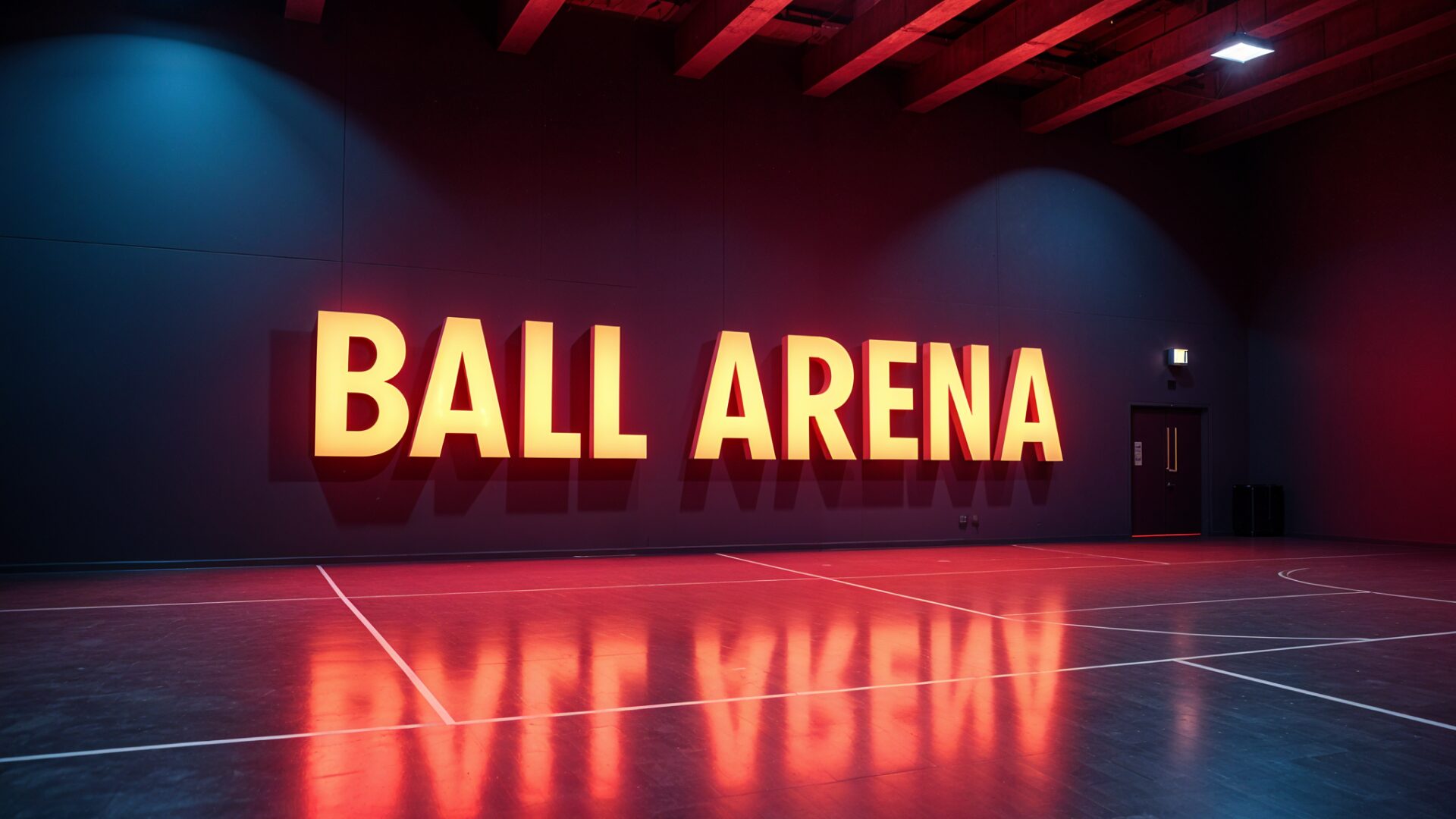
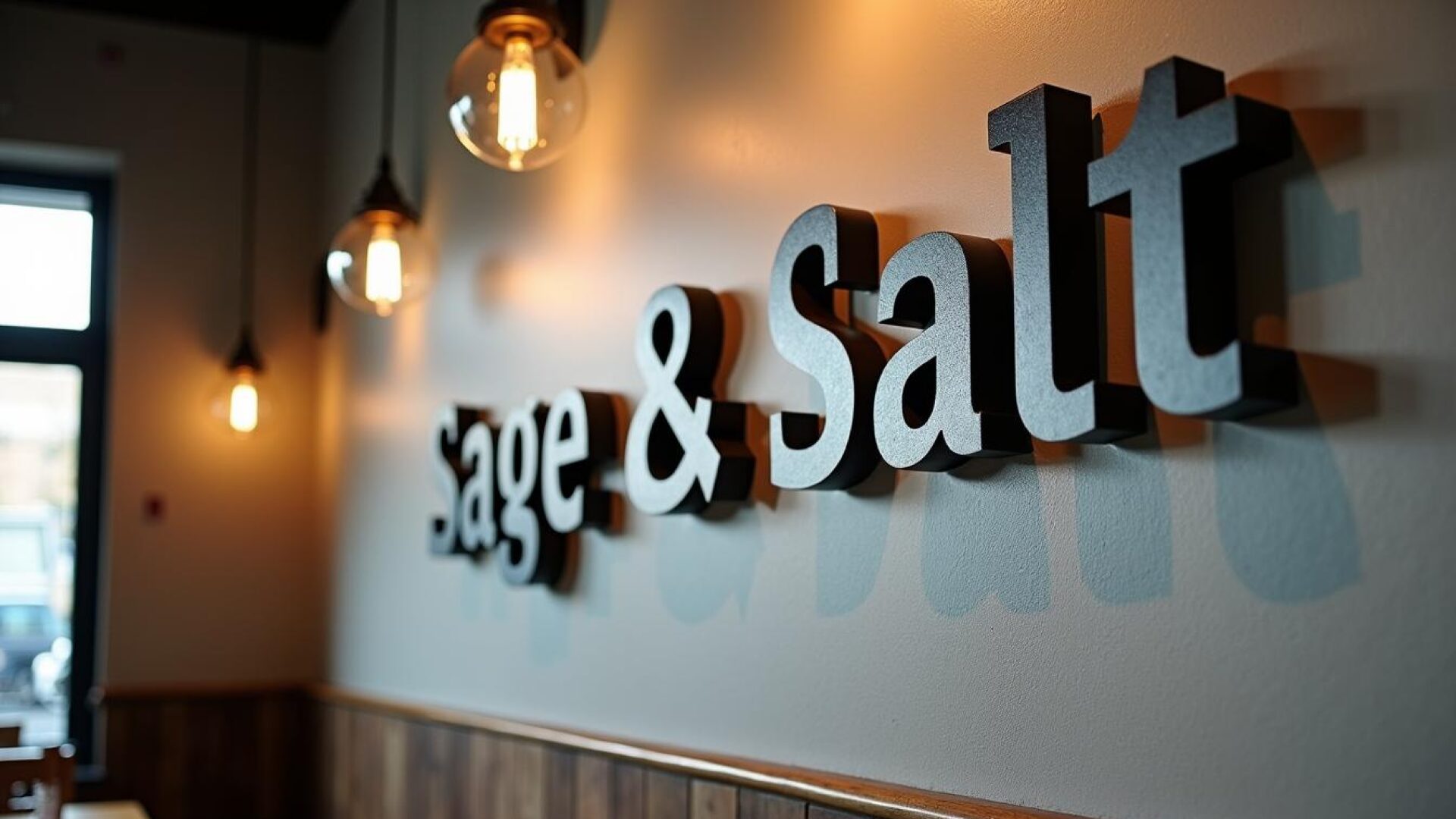
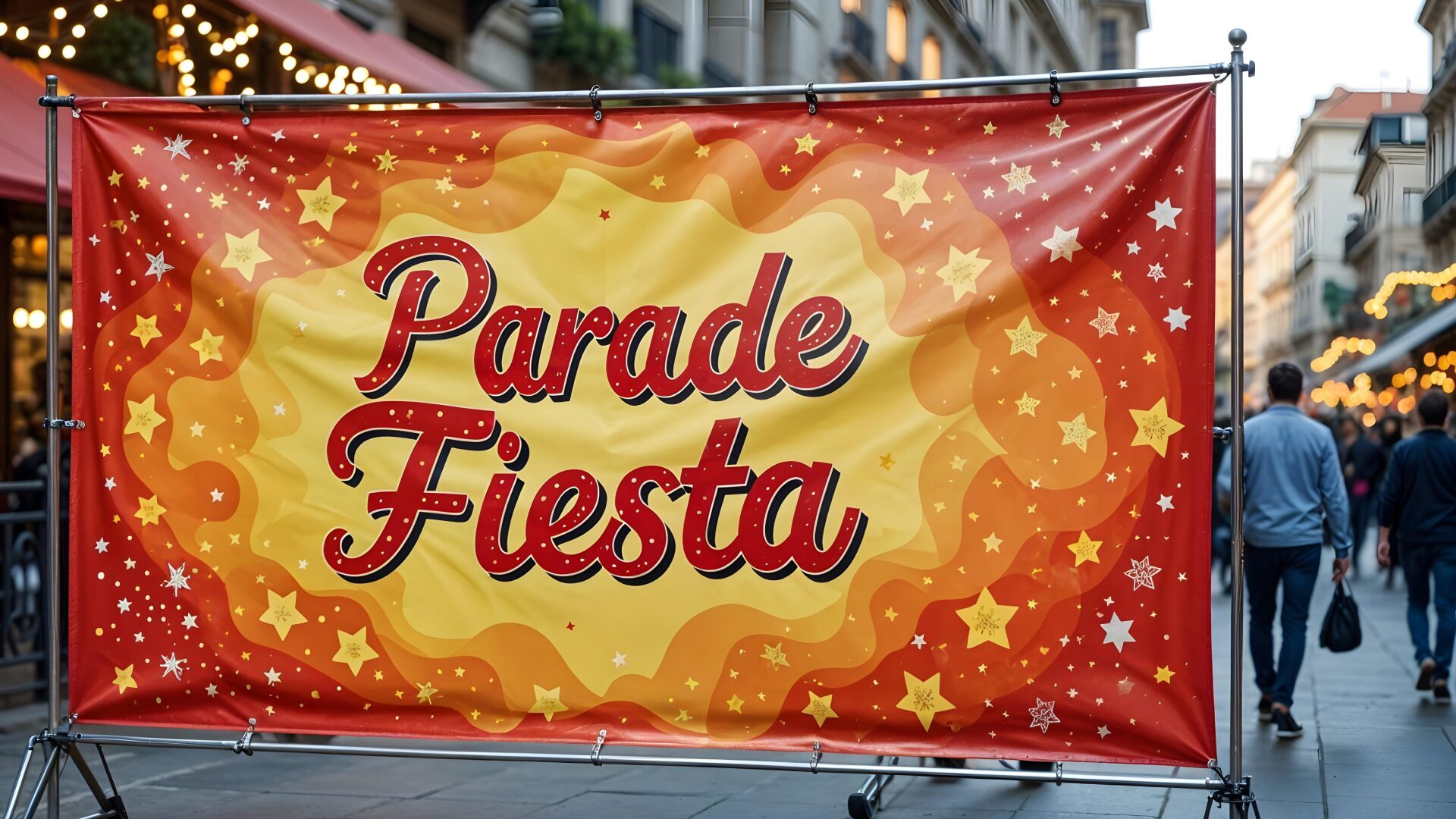
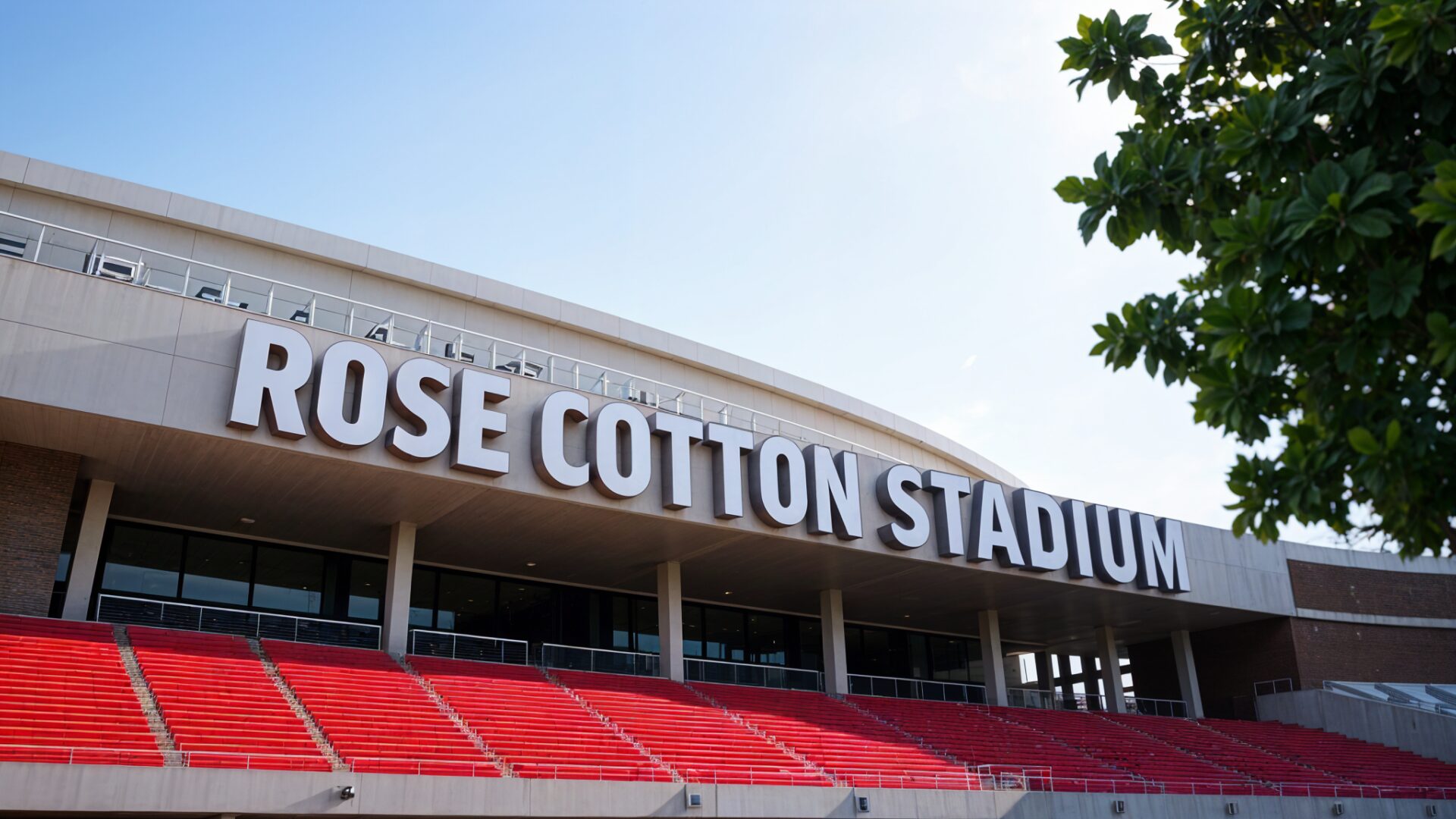
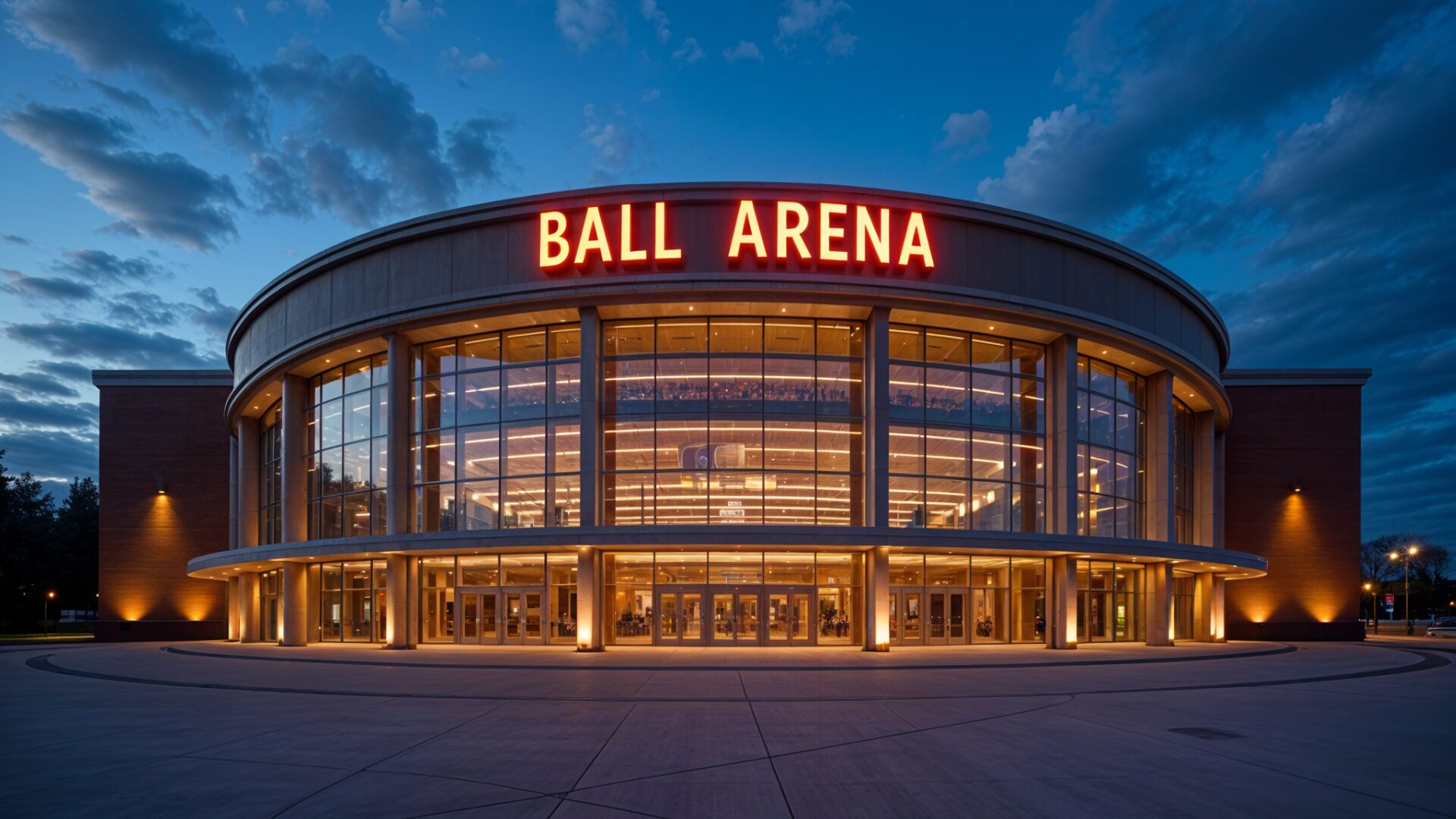
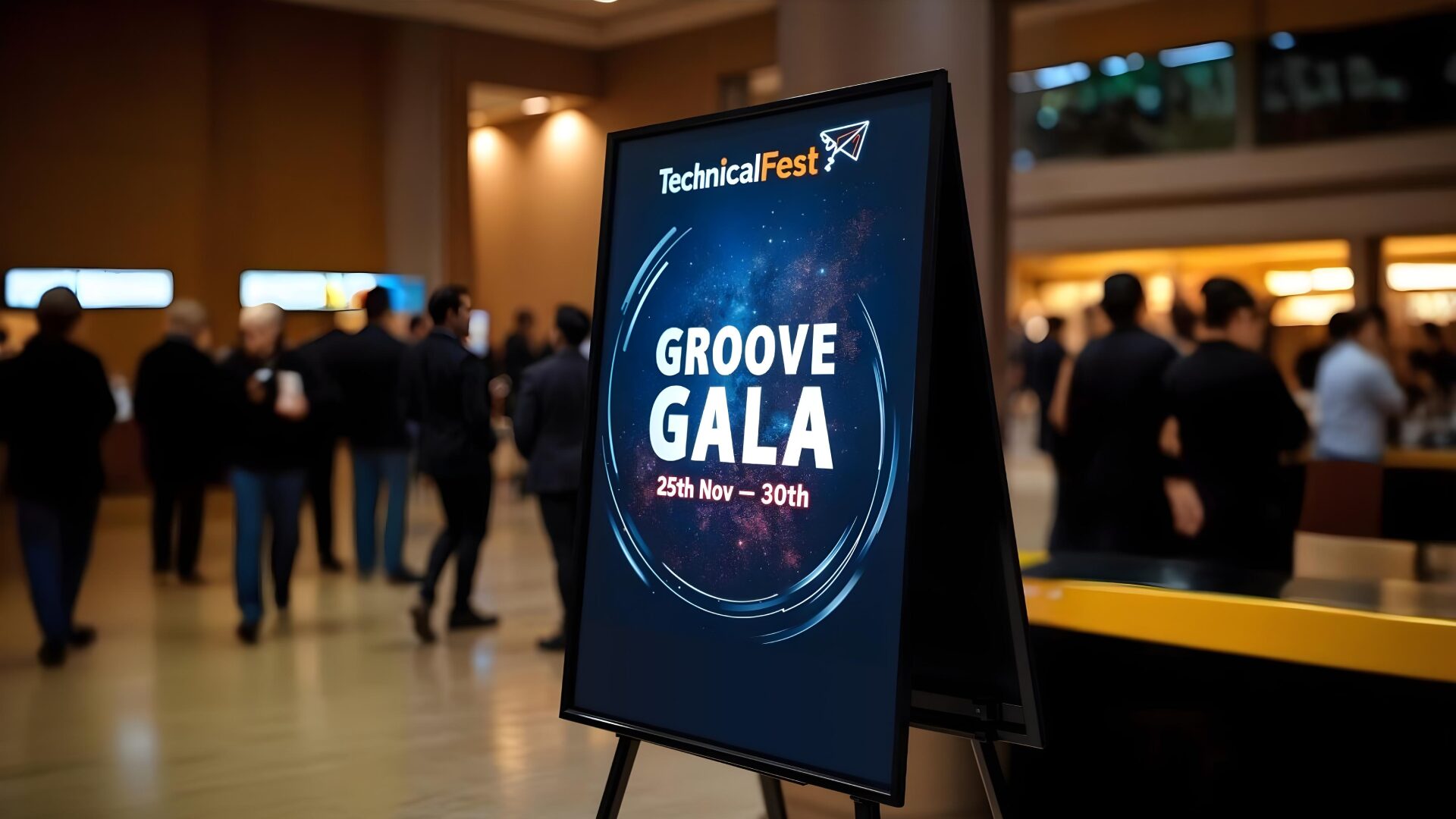
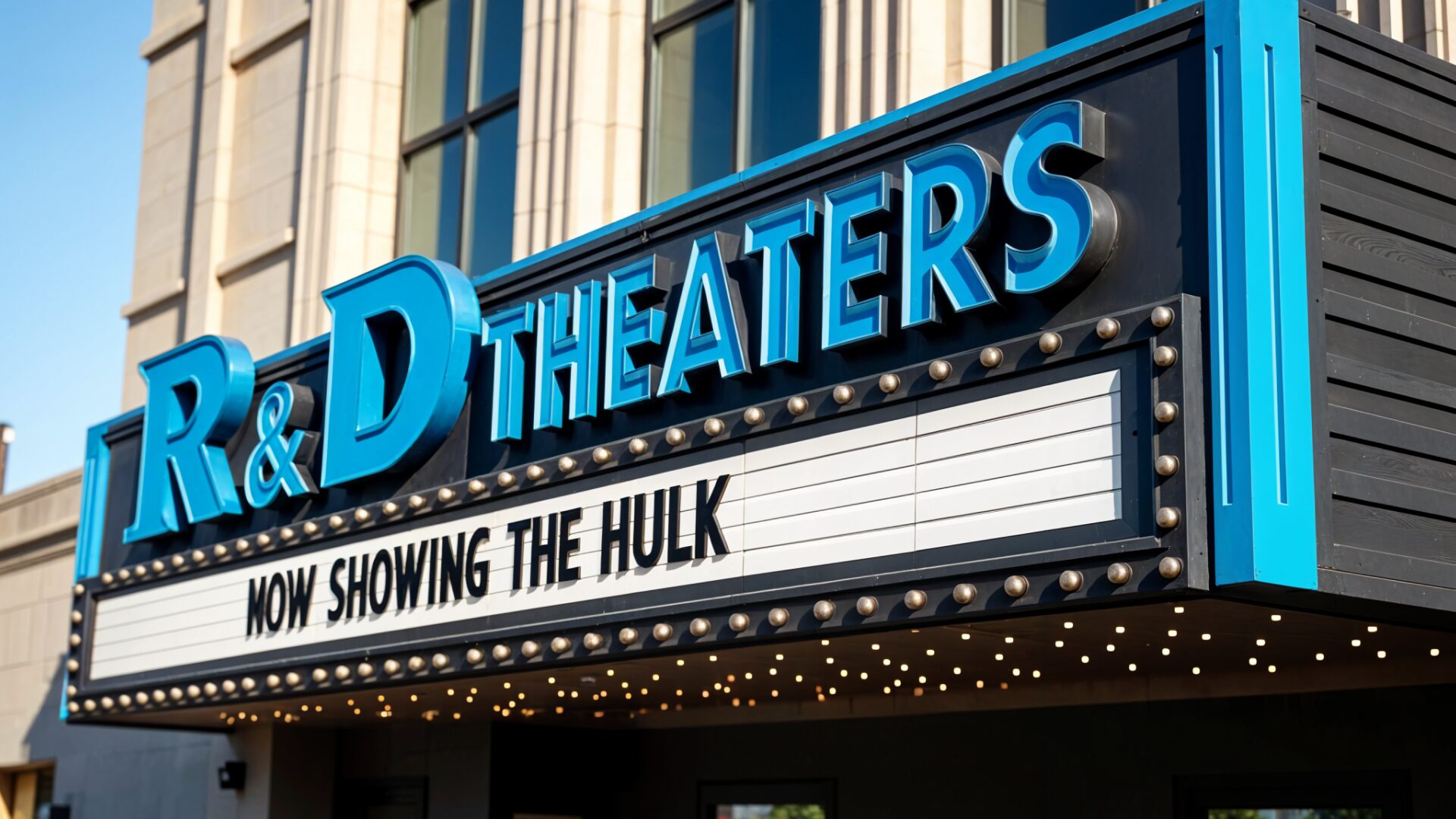
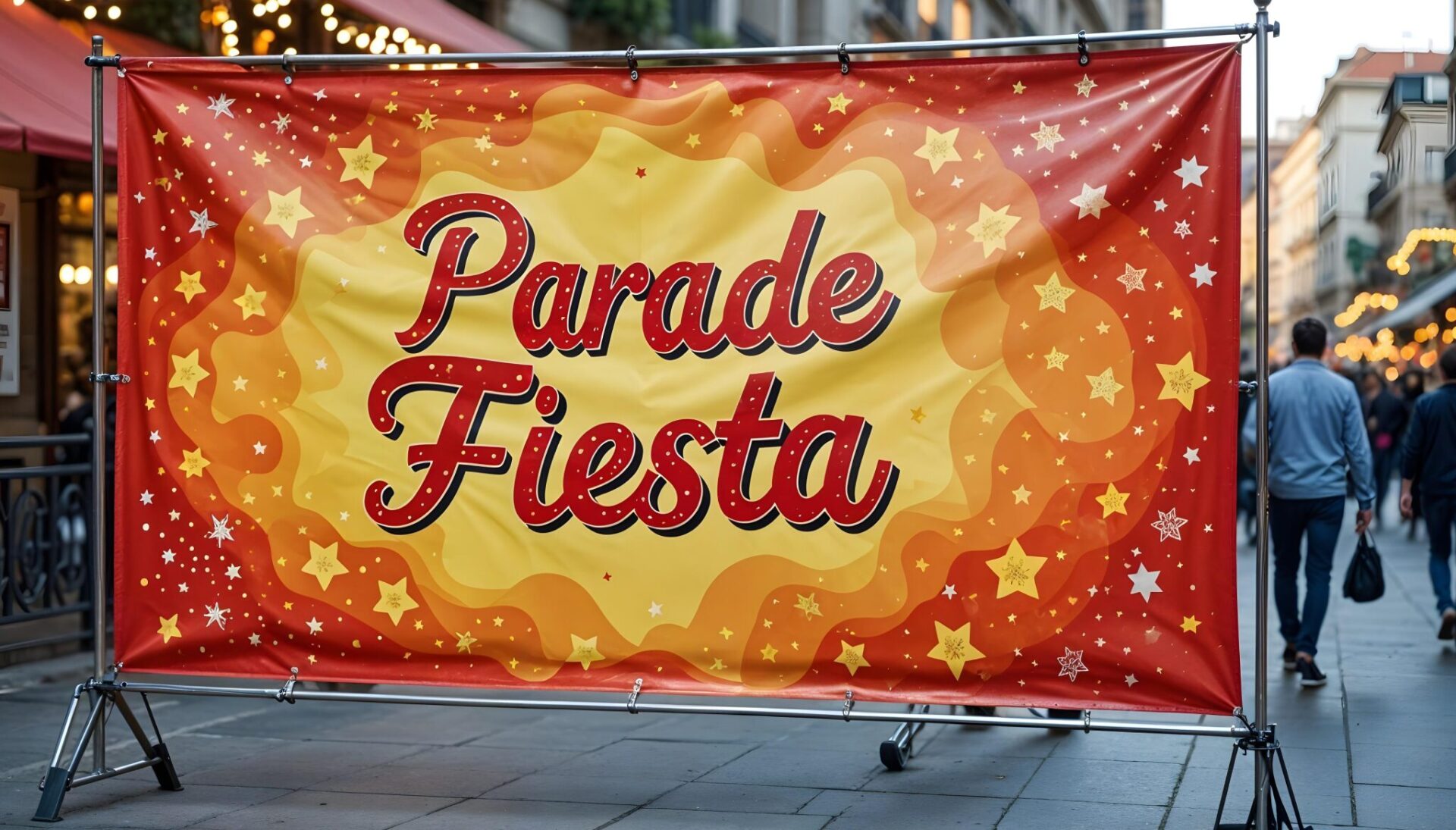
Interior signage including theater directional signs, box office signage, concession stand menus, VIP area markers, and event program displays. Exterior signage including marquee signs, event banners, parking directional signs, building identification, and digital display boards.
Yes. Entertainment venues often have a strong visual identity, and we design to match it. We work within your brand guidelines from the start.
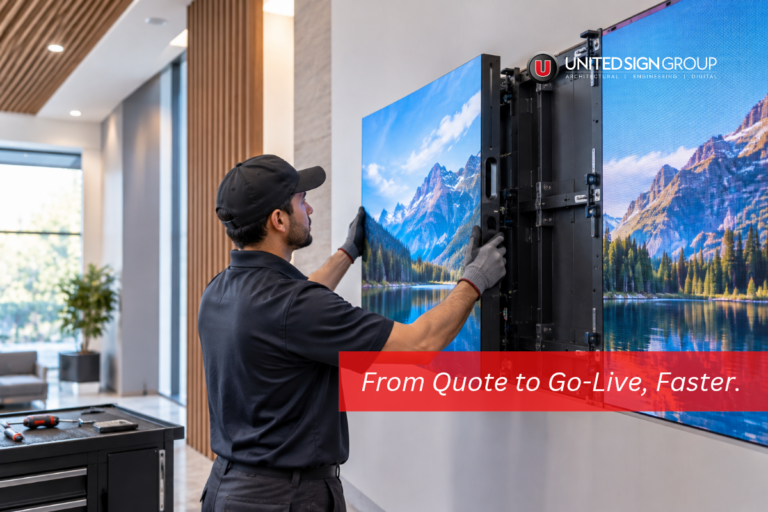
We install digital displays and provide the tools to manage content. Updating showtimes, event listings, or promotions can be done by your team without needing outside help each time.
We plan permitting and fabrication timelines early in the project so installation is not rushed at the end. If you have a hard deadline tied to an opening or event, tell us upfront, and we will build the schedule around it.
We plan fabrication timelines early in the project so installation is not rushed at the end. If you have a hard deadline tied to an opening or event, tell us upfront and we will build the schedule around it.
Yes. Design, fabrication, and installation are all part of the project. We do not stop at delivering the signs.
We have local teams across 12 locations. Post-installation support is available and you have a regional contact rather than a general helpline.
As early as possible. Signage planned alongside construction goes in cleaner and costs less than signage added after the fact. If you're still in the design phase for the space, that's the right time to talk. We can work with your architect and project manager to make sure sign locations and power runs are accounted for before walls close.
Yes. We've installed signage in venues that were operational throughout the project, coordinating around event schedules and working in sections. If you have a calendar of blackout dates, we build around it.rn
Yes. Our outdoor displays are rated for the conditions they actually face: direct sunlight, temperature swings, humidity, and rain. We don't install indoor-rated hardware in outdoor environments.
Yes. Price changes, sold-out items, and daily specials can be updated immediately through the content management system. Your concessions team can make those changes without waiting for outside support.
Yes. We handle both interior and exterior signage as part of the same project. Indoor and outdoor display specifications differ, and we make those distinctions during the design phase so each sign is built for where it's actually going.
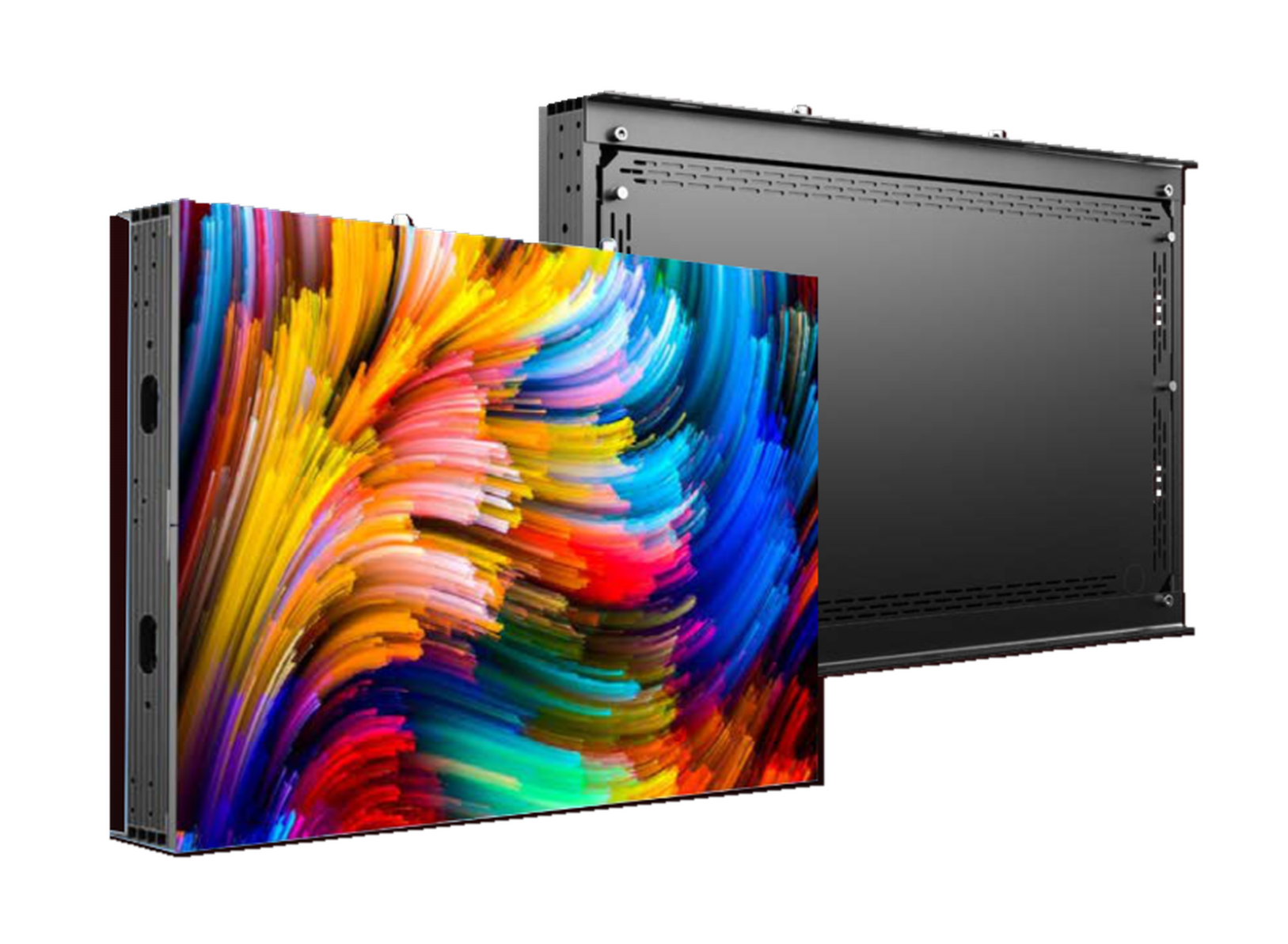
Whether you are planning a single installation or a multi-location custom signage solutions program, our team will respond within 24 hours with a clear next step and no obligation. Tell us about your project, and a specialist will get back to you directly.
Our sales team will respond within 24 hours.
Tell us about your project and a specialist will get back to you within 24 hours.
Thanks for reaching out. A United Signs specialist will contact you within 24 hours.
Get a response in 24 hours