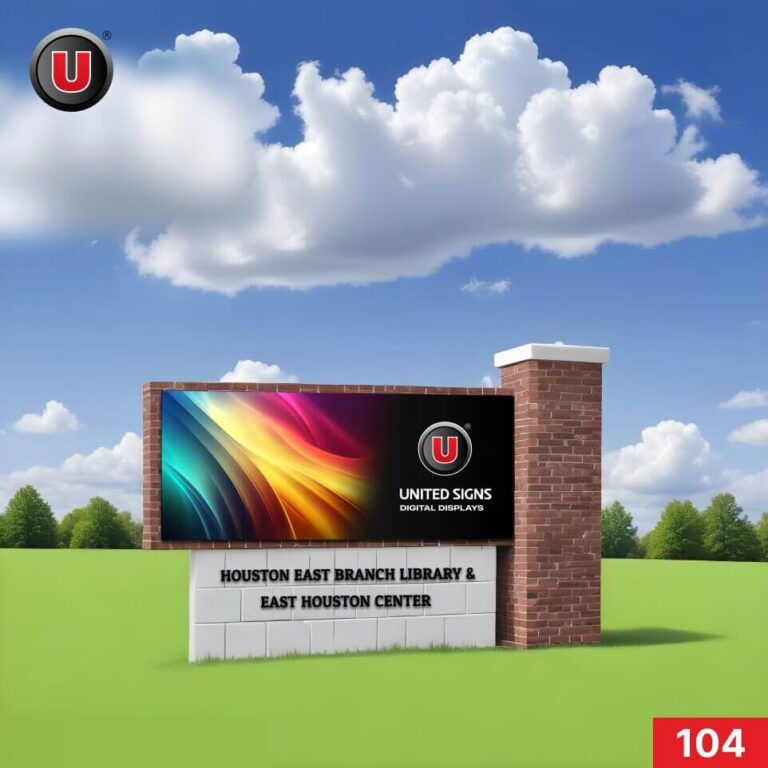
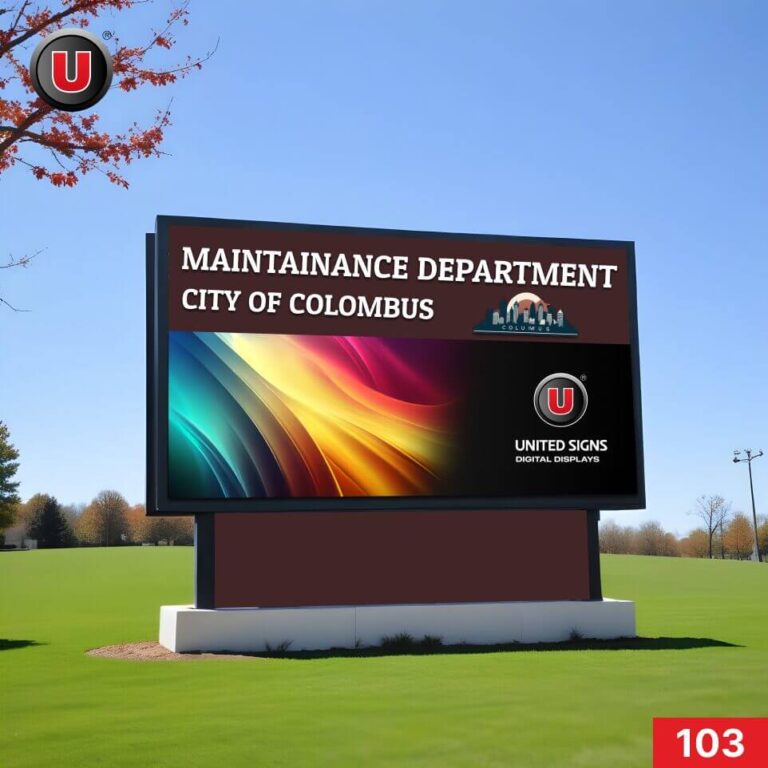
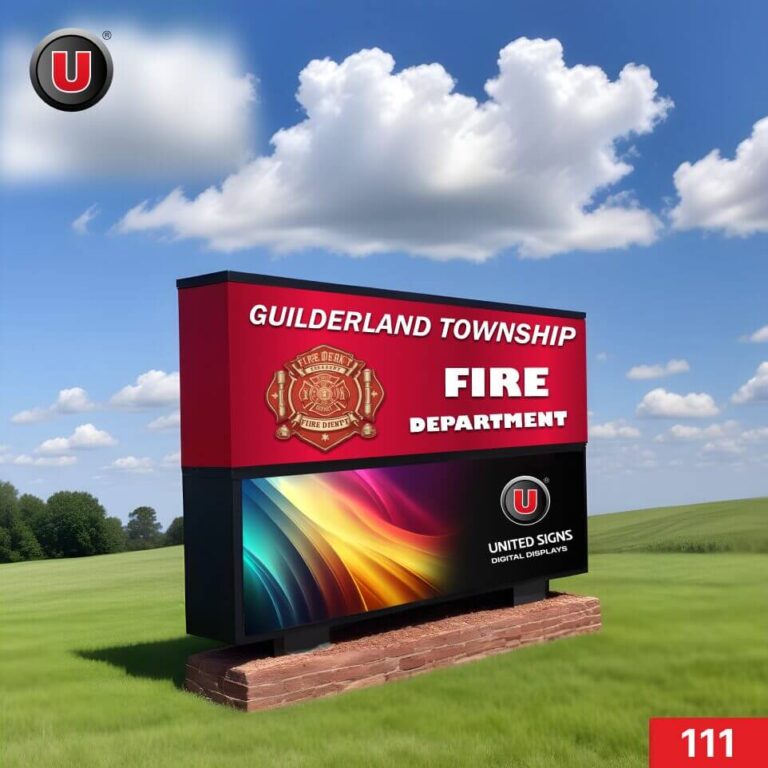
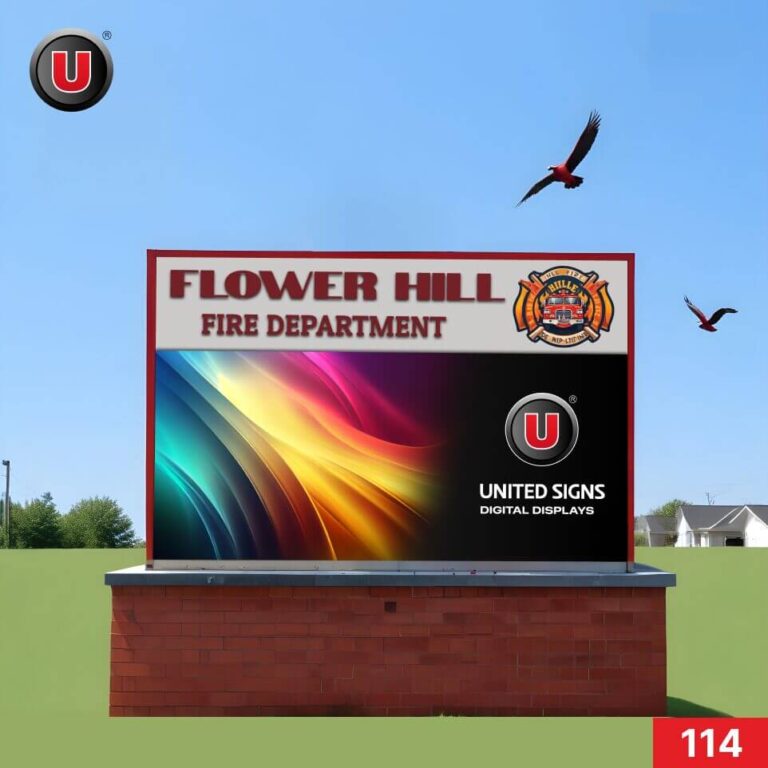
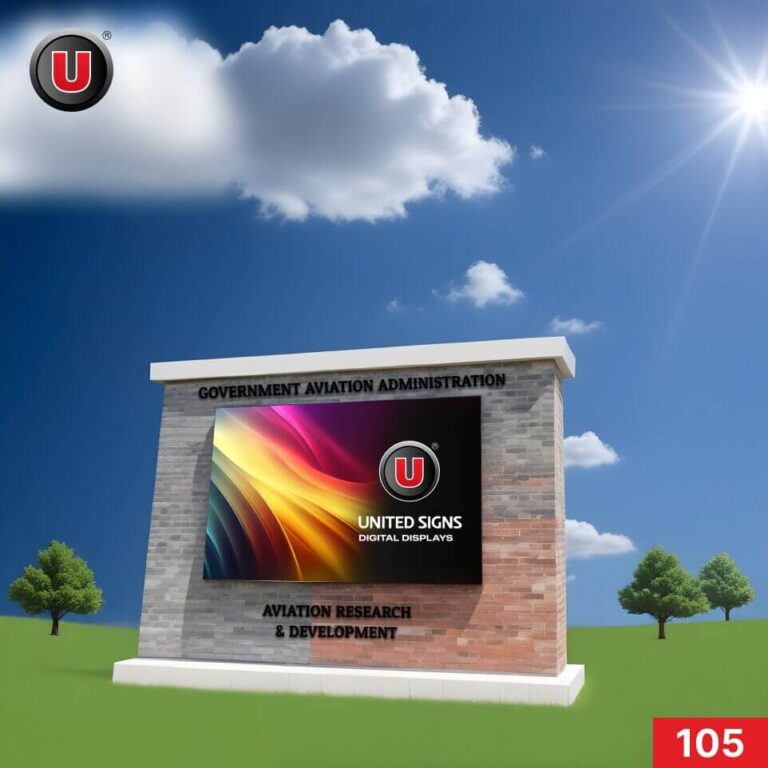
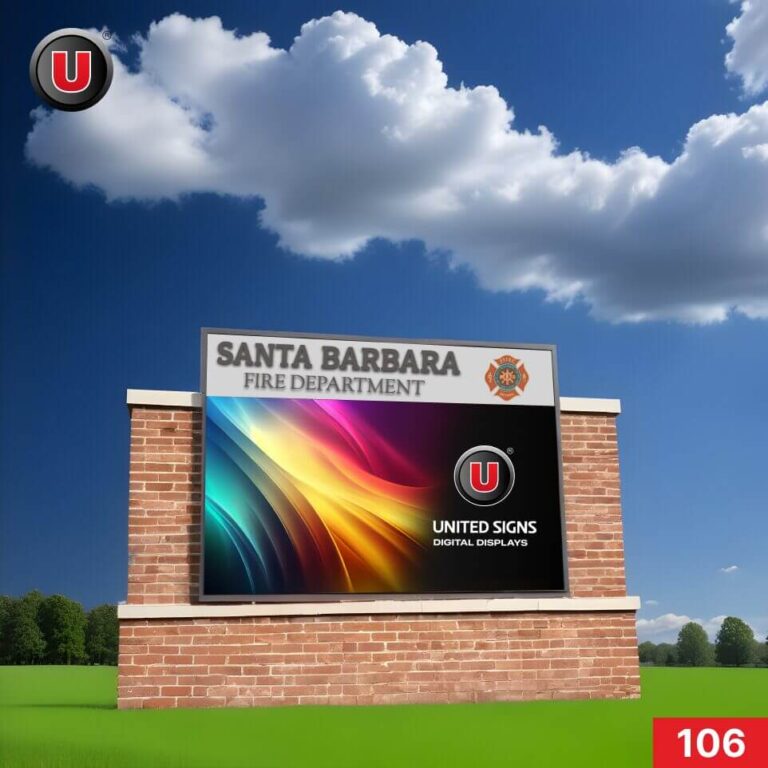
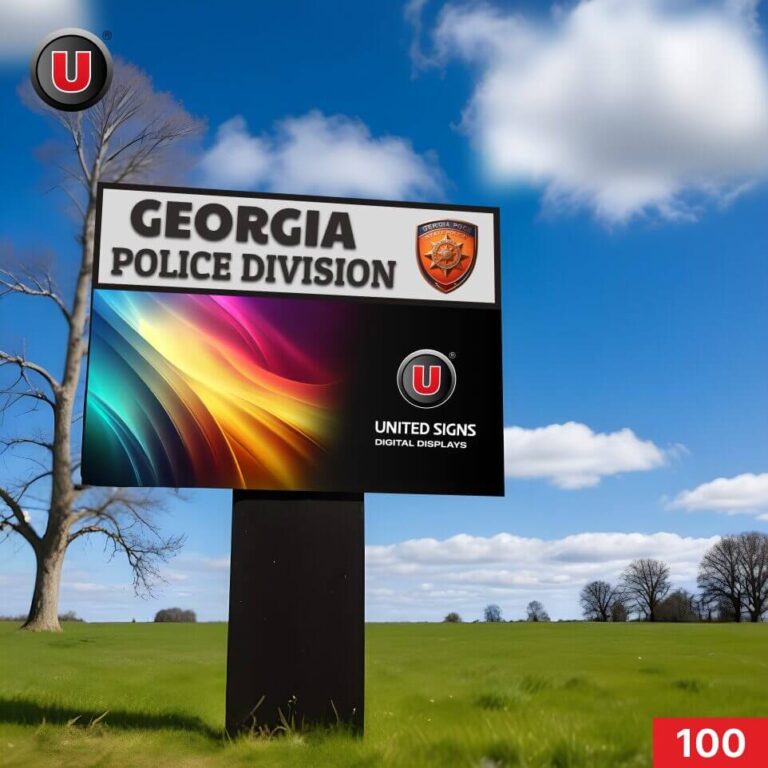
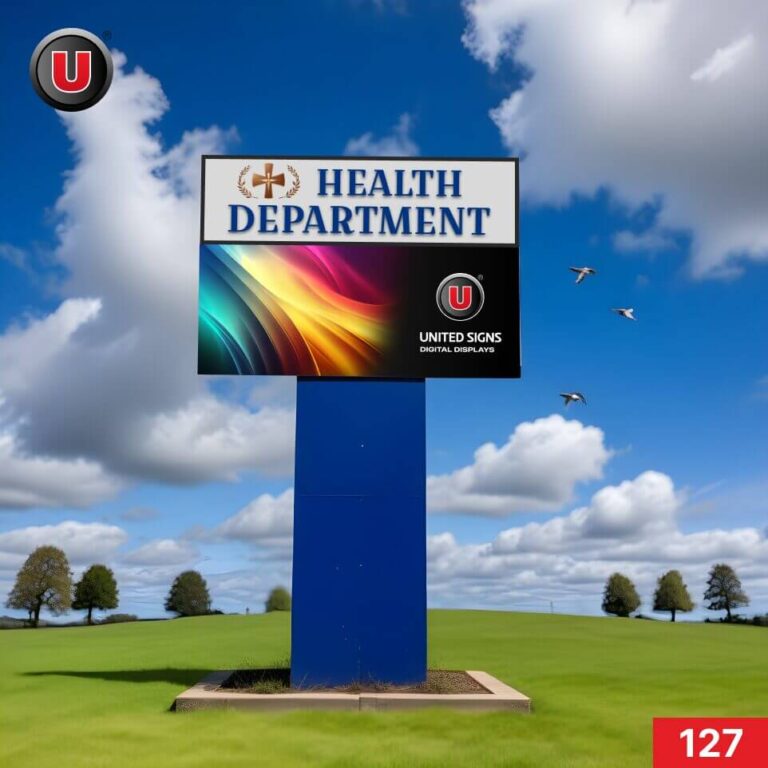
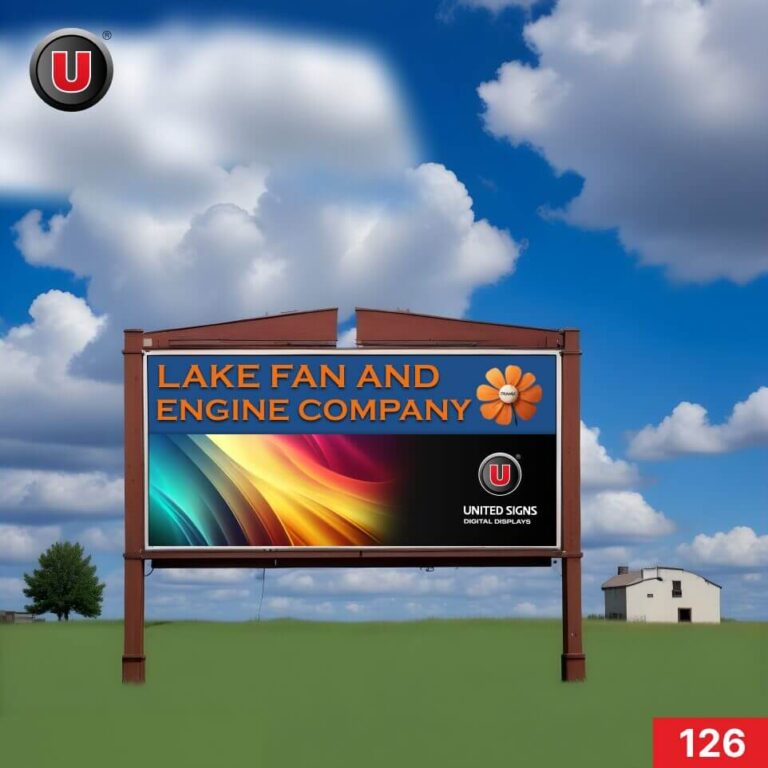
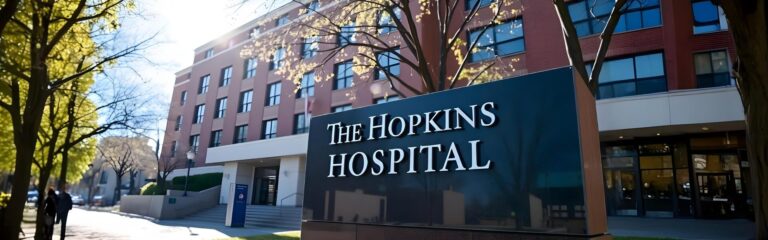
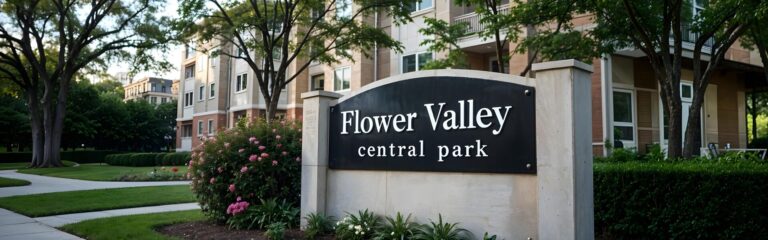
United Signs designs and installs government signage for municipalities, public buildings, and government facilities. Interior and exterior included.
Shop Now
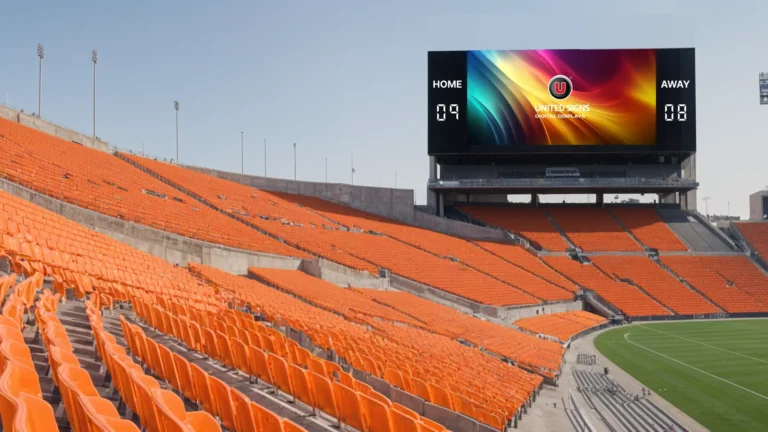
United Signs uses only the best LEDs to guarantee the highest image quality, unified illumination, color, and power efficiency.

We aspire to build the most reliable and consistent LED displays that meet your specific design and technical requirements.
United Signs offers user-friendly technology that helps clients produce stimulating content experiences.

United Signs is here to assist. We provide installation and training support by phone, online, or in person with our local sales teams.

A municipal campus or public building is not a single space with a single type of visitor. The public, staff, contractors, and officials all move through the same facility with different needs and different levels of familiarity with the space. Here's every touchpoint we cover:
Government signage tends to get attention only when a facility is new, when something breaks, or when a renovation forces an update. Here's what's quietly at stake in the meantime:
A citizen visiting a government office is often dealing with something stressful. A DMV visit, a permit application, a court date. Clear wayfinding reduces the frustration of not knowing where to go and makes the experience of interacting with a public institution feel less daunting. That matters, both for the public and for the staff who field directional questions all day.
Faded signs, inconsistent materials, outdated department names, and signage that looks like it was installed in three different decades all send a message about how the institution is run. The physical condition of a public building communicates something to every taxpayer who walks through it.
Exit signs, evacuation route markers, and safety signage need to be current, correctly placed, and visible under emergency lighting conditions. In a large public building, this is not a detail. It is a life safety requirement.
A city or county operating multiple facilities across different locations should present consistent signage across all of them. When every building looks different, it signals a lack of coordination that erodes confidence in the institution's overall management.
Inside a government building, the signage needs to work for first-time visitors, regular staff, and people who may be navigating a stressful situation. It needs to be readable, ADA compliant, and consistent throughout the facility. These are not optional considerations in public sector environments.
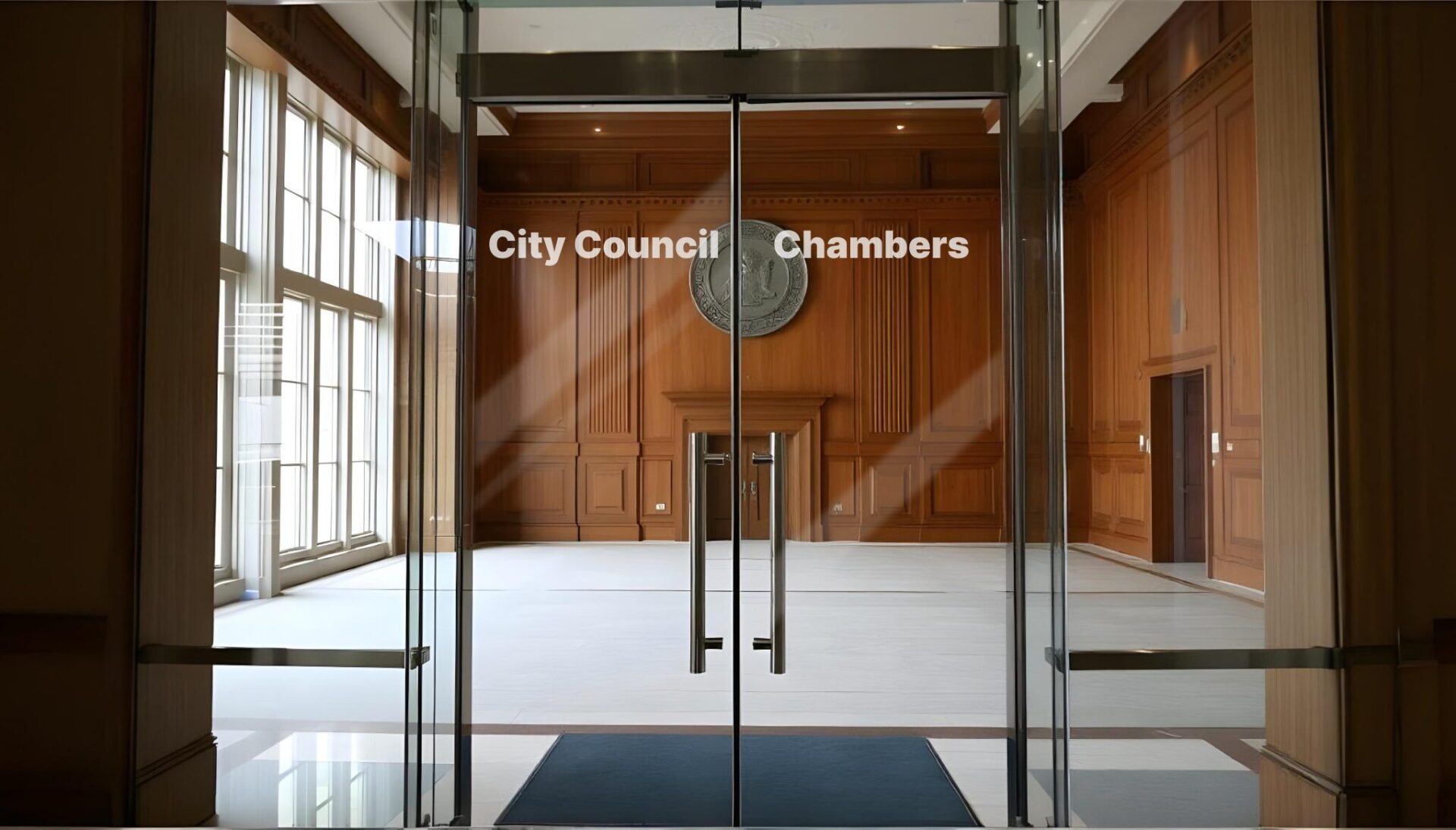

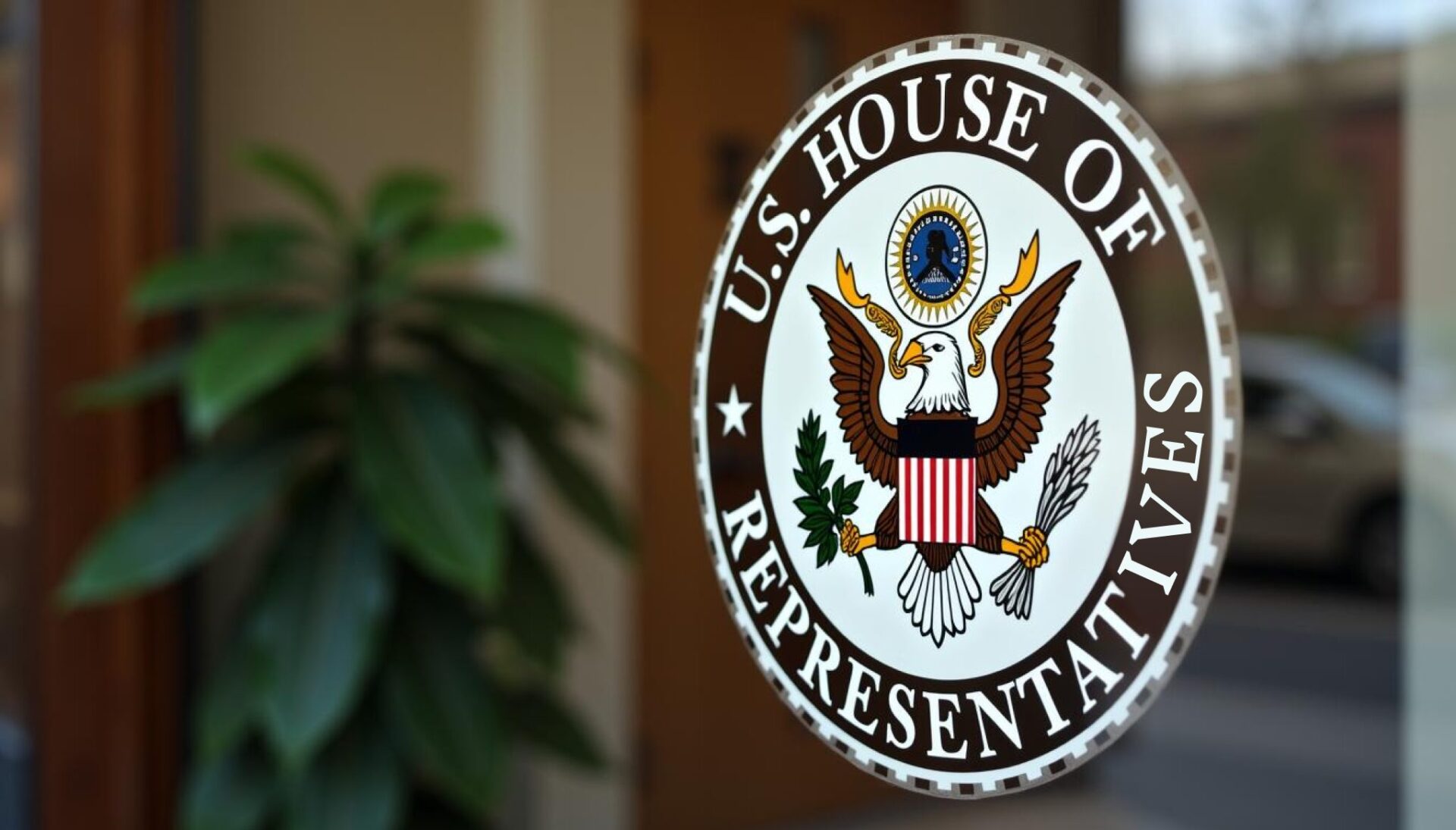
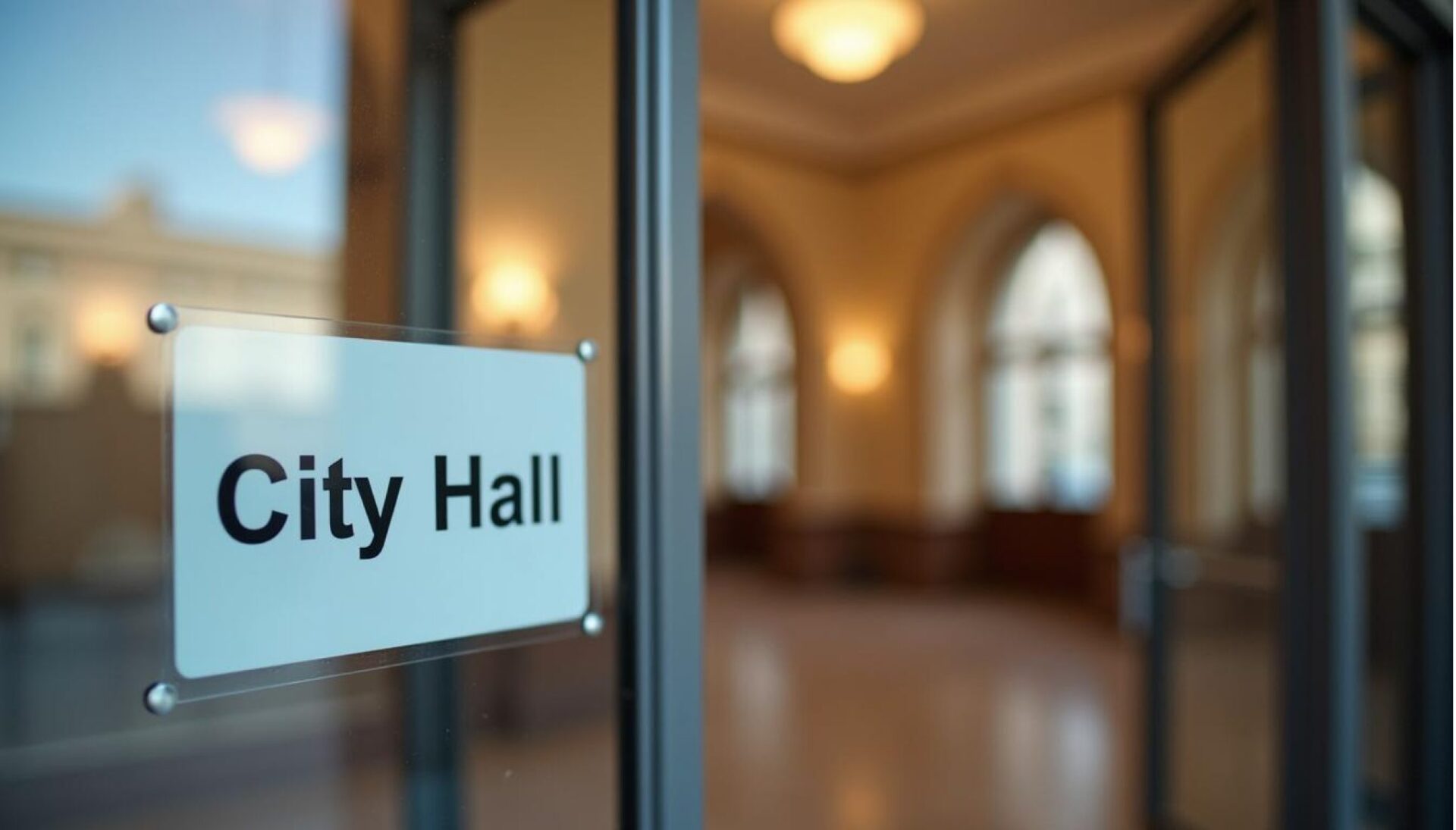
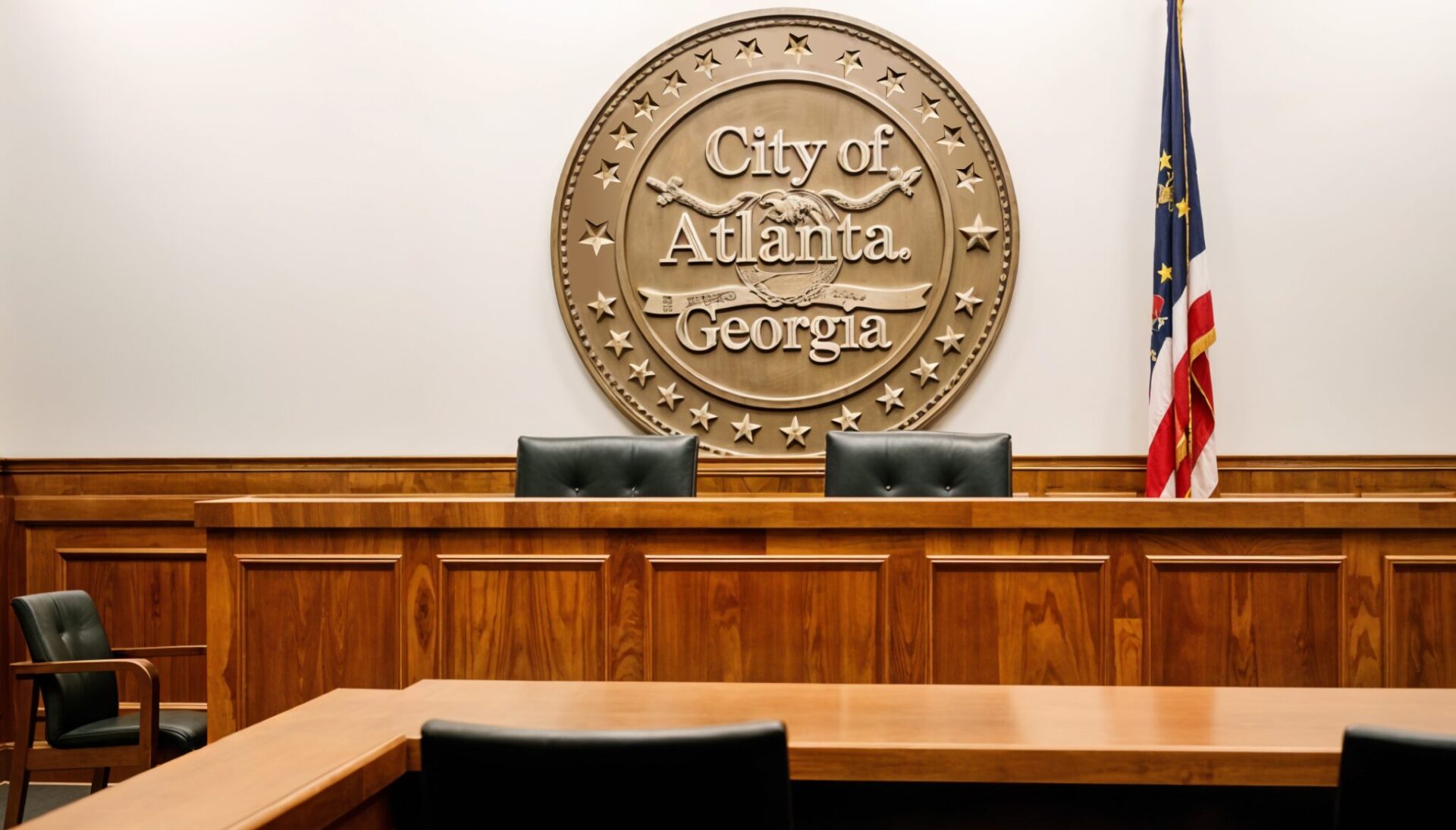
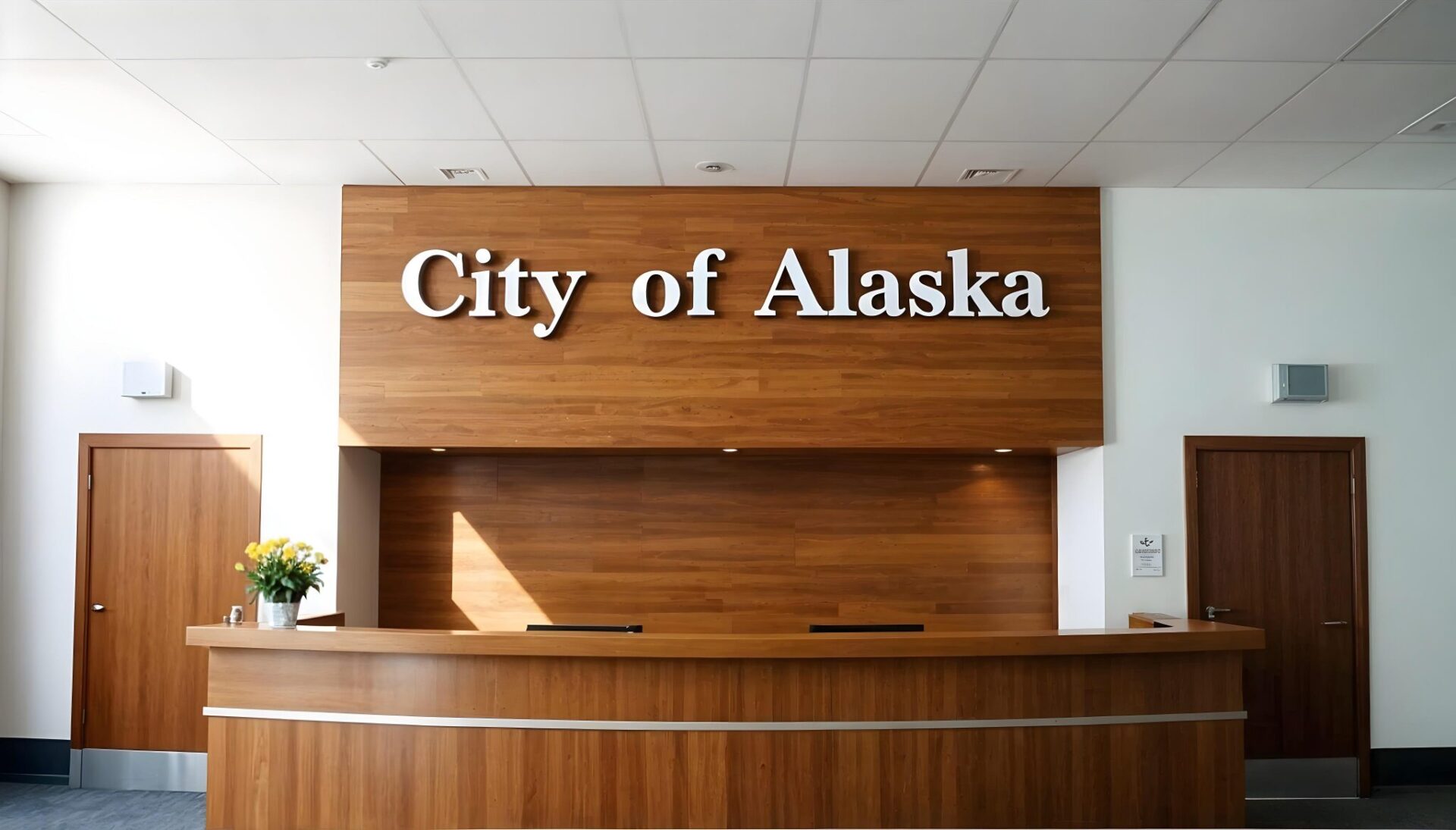


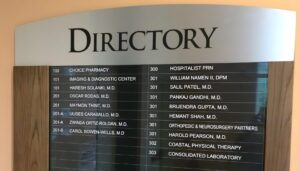
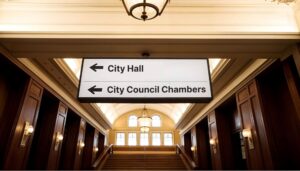
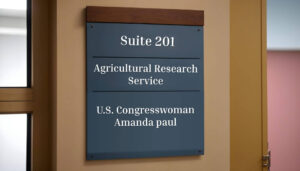

Government exterior signage is exposed to daily public use and outdoor conditions year-round. It needs to be built from materials that hold up over time without constant maintenance. It also needs to communicate authority and clarity to anyone approaching the facility, whether they are a first-time visitor or a daily commuter who passes by every morning.
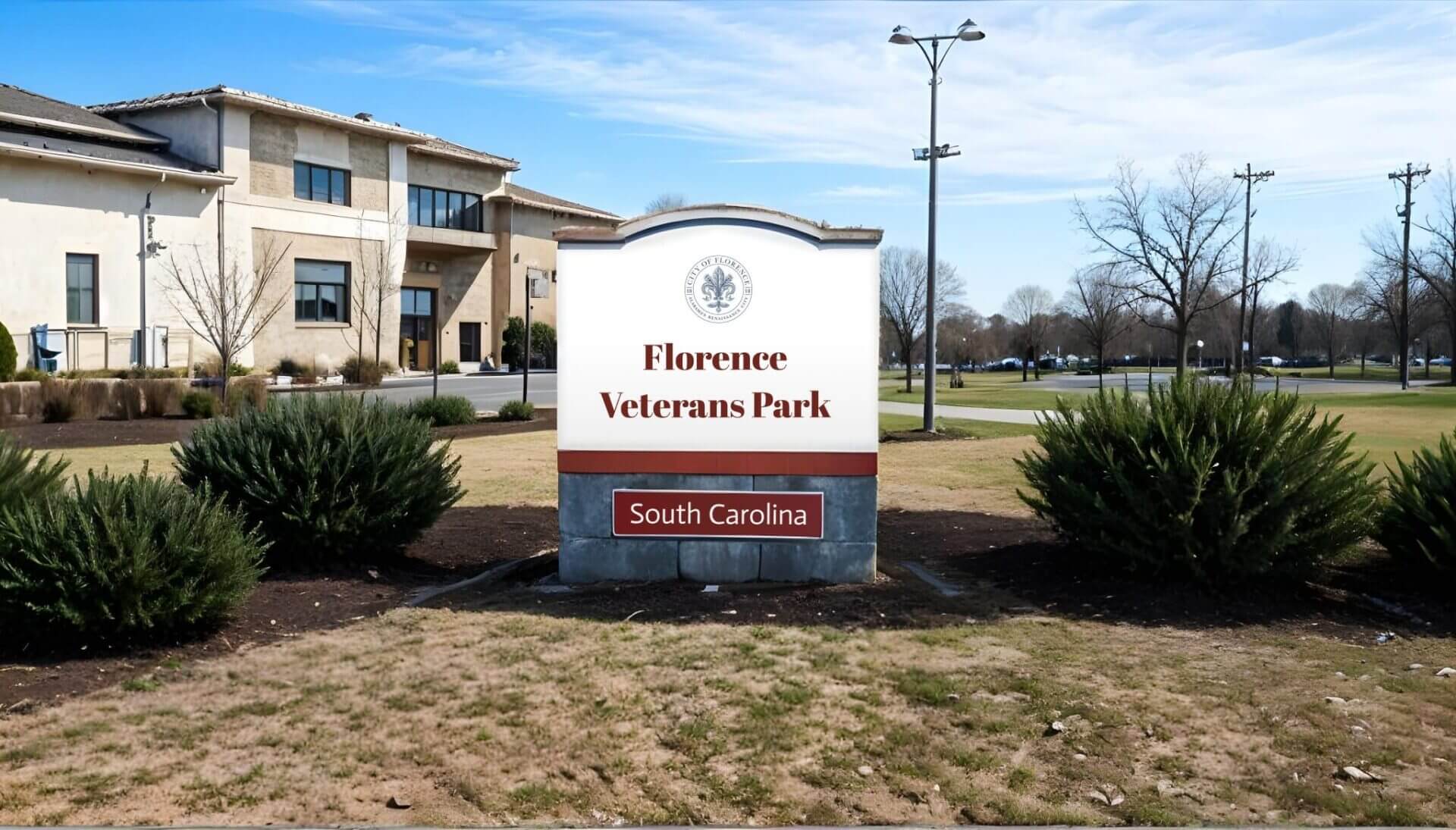
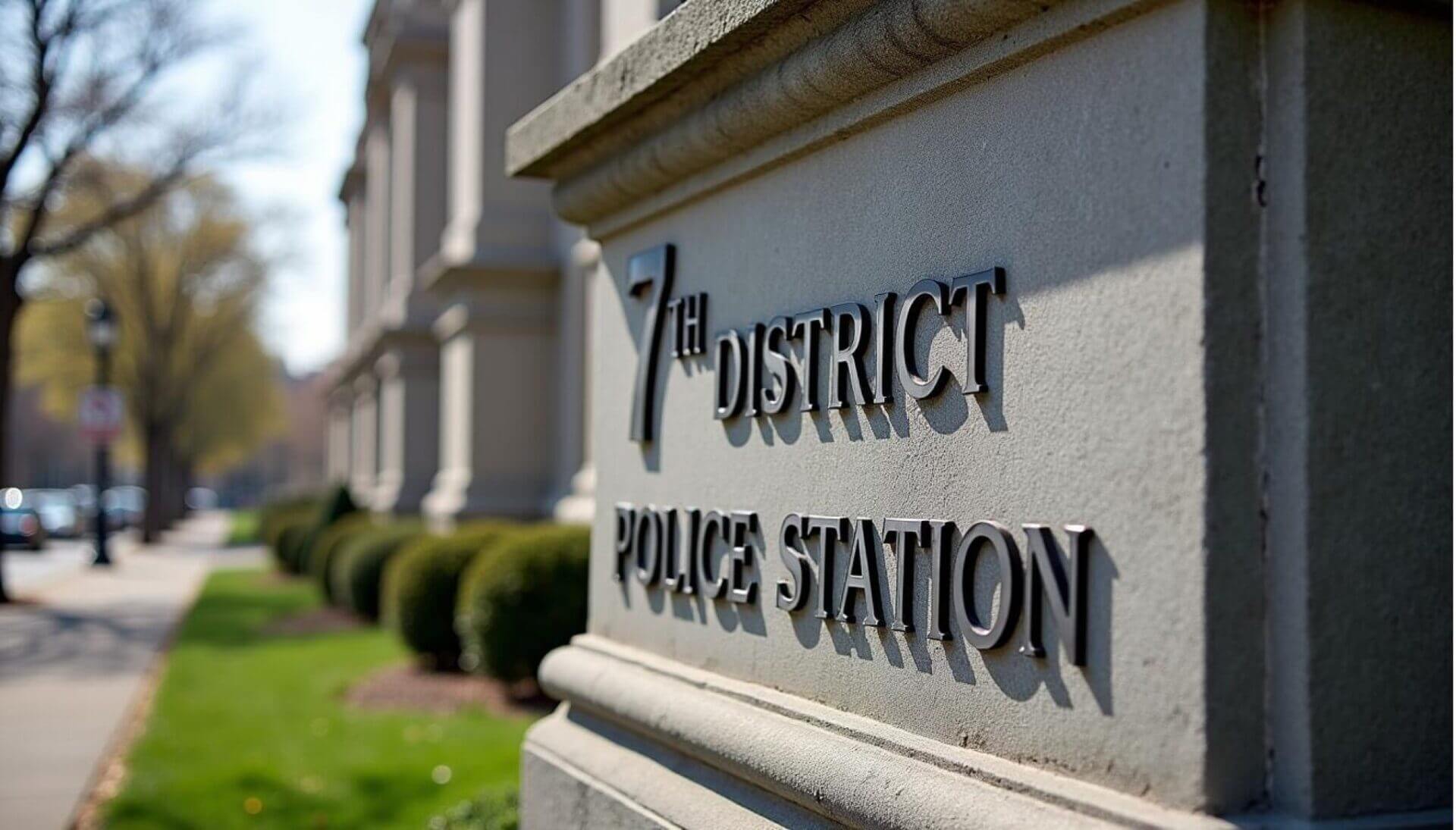
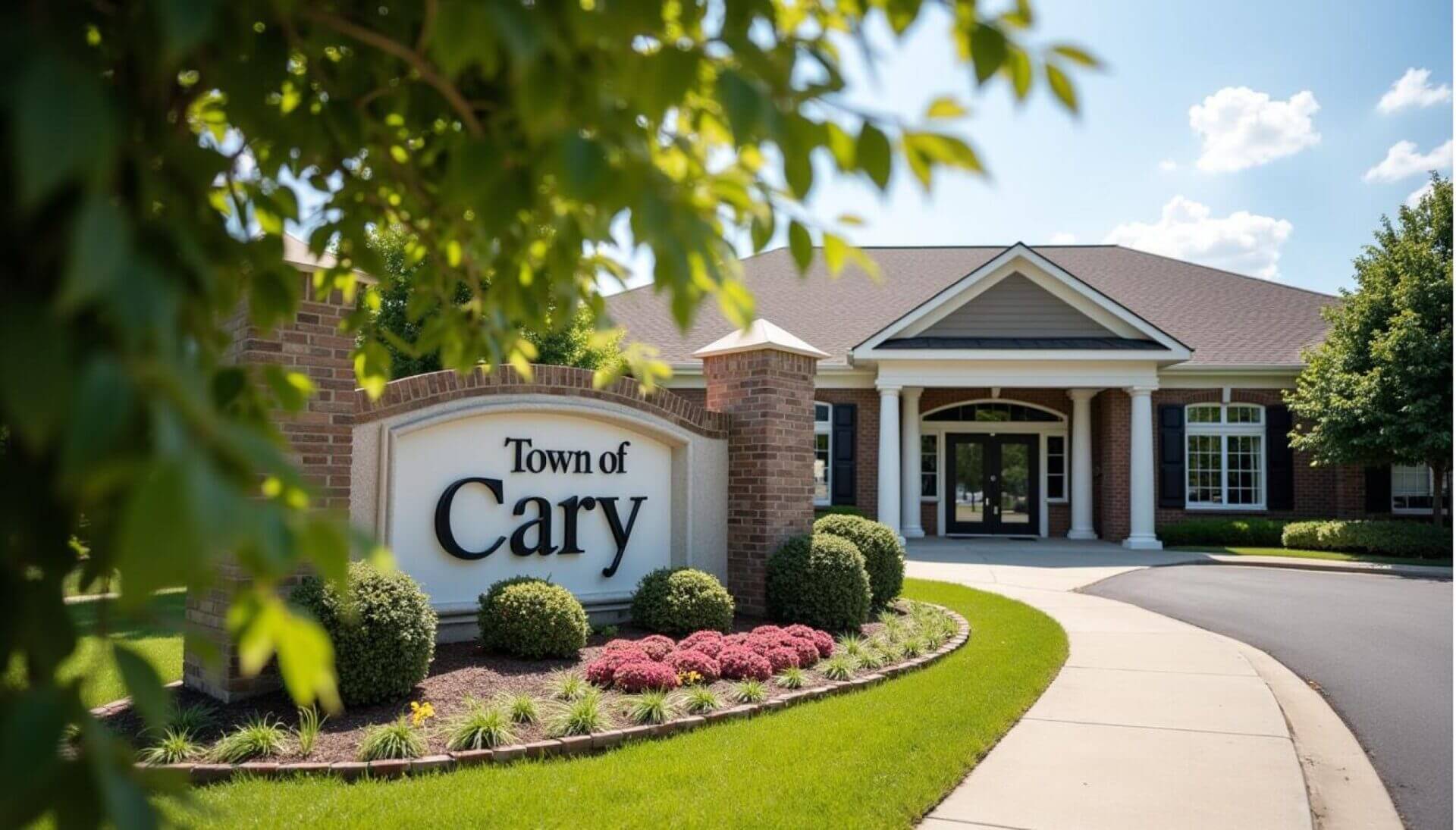
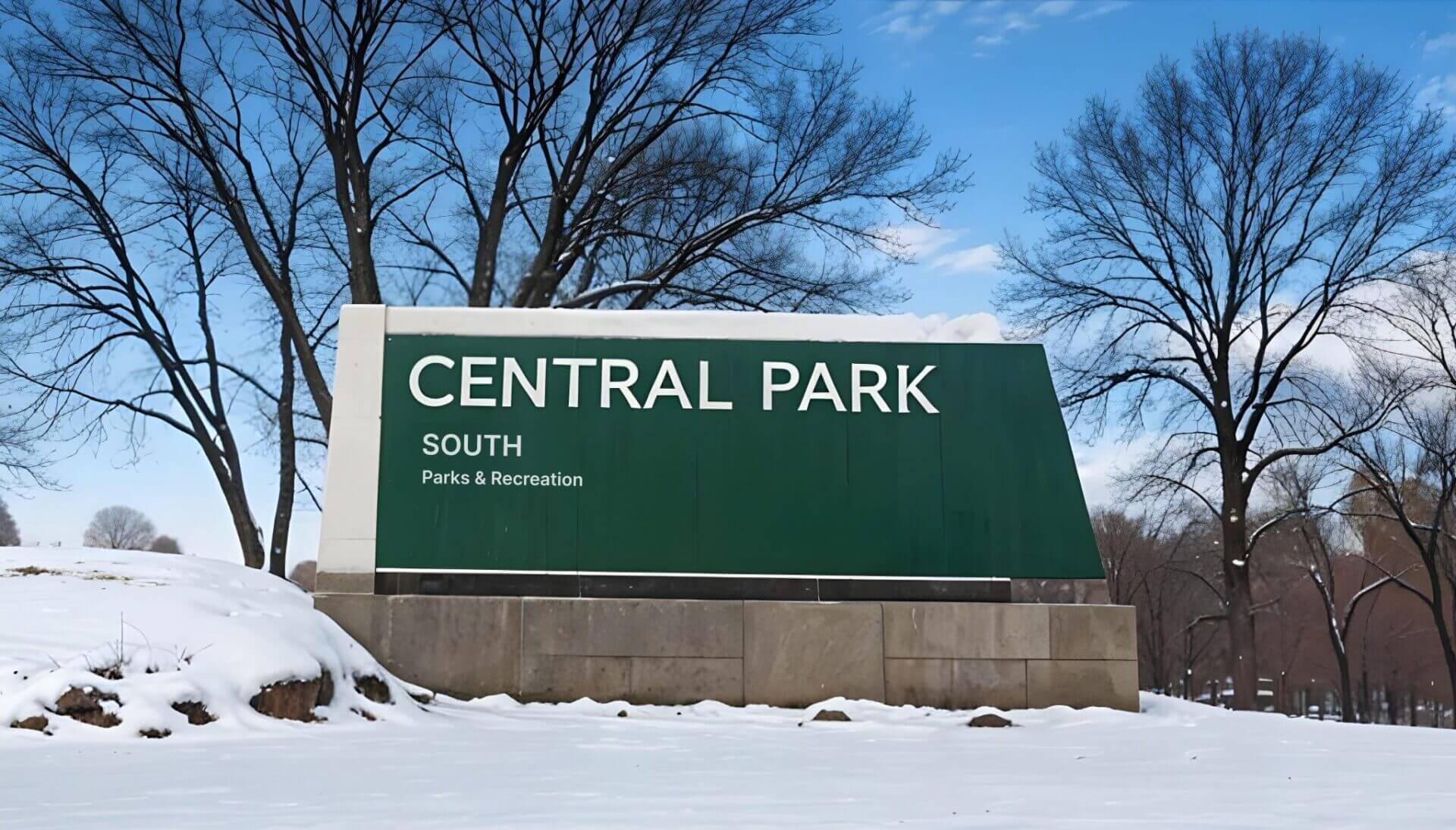
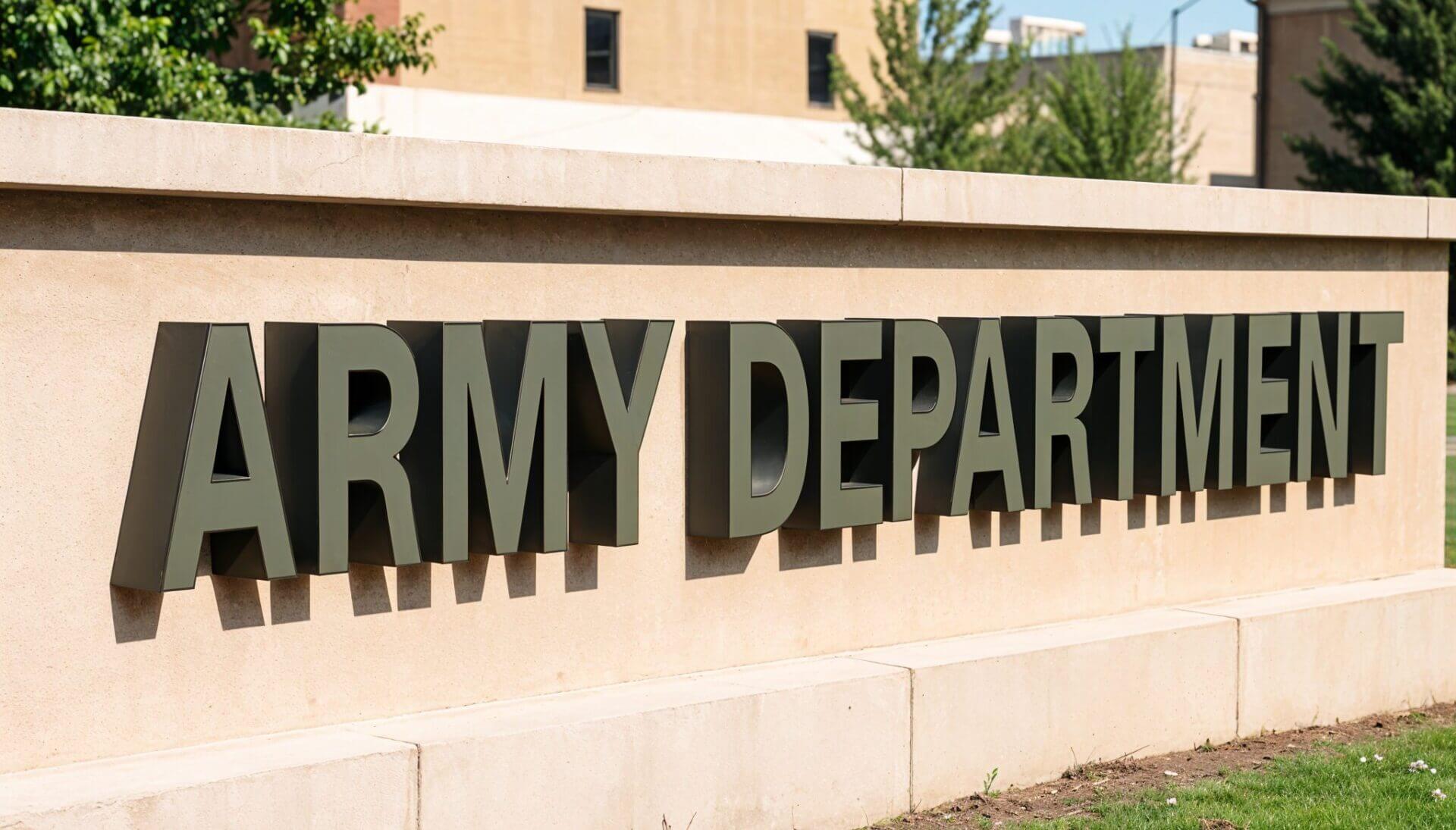

ADA signage requirements in government buildings are well-defined and non-negotiable. Tactile characters, Braille, mounting heights, finish contrast, and placement at specific door locations are all covered under federal accessibility standards, and public facilities are held to a higher standard of compliance than many private-sector buildings. We design ADA-compliant signage into the project from the start. Room identification signs, restroom signs, elevator signs, stairwell signs, and accessible route markers are all built to current code and integrated into the overall sign system so they look like they belong rather than like a compliance checklist stuck on after the fact. If you are not sure what your current facility is missing, a signage audit is a reasonable starting point. We can assess what is in place, identify any gaps, and give you a clear picture of what bringing the facility into full compliance looks like before any budget is committed.
Digital displays serve a practical communication role in government buildings that traditional static signs cannot fill.
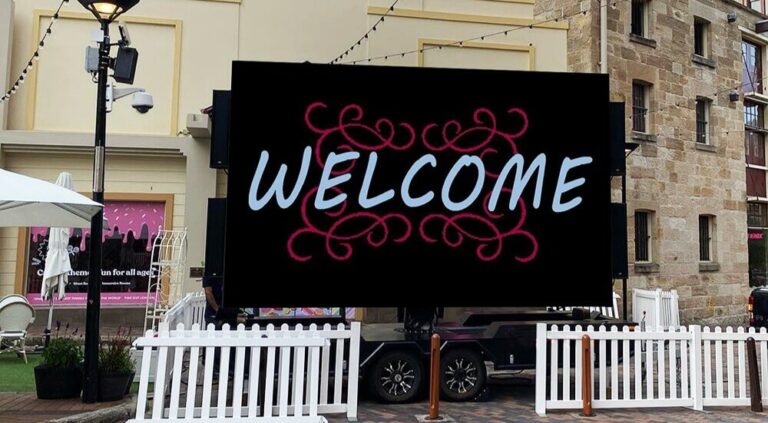
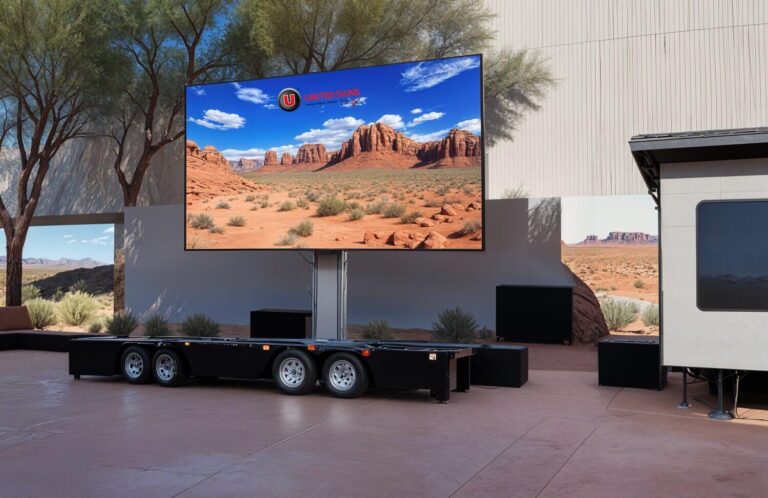
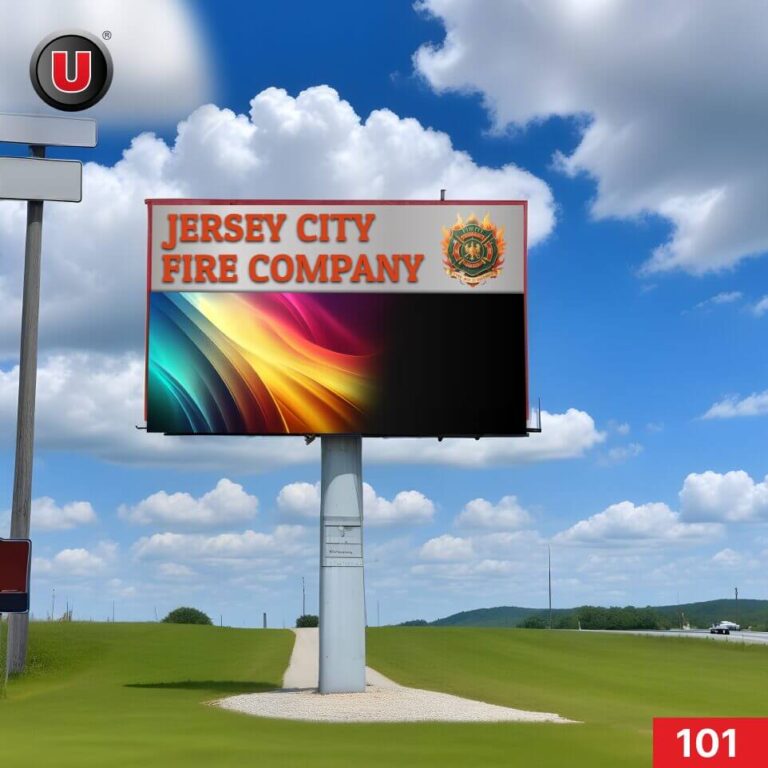
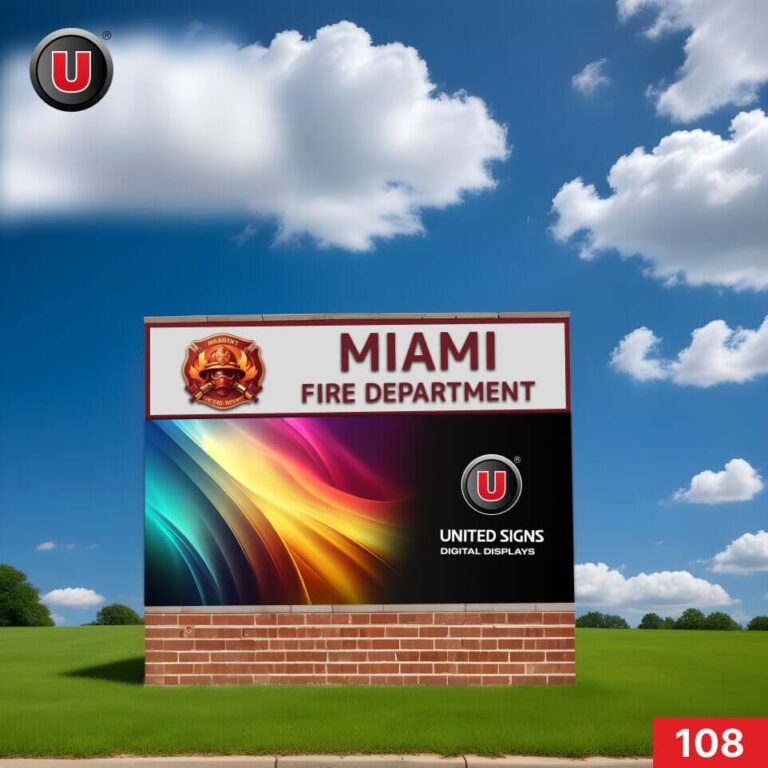
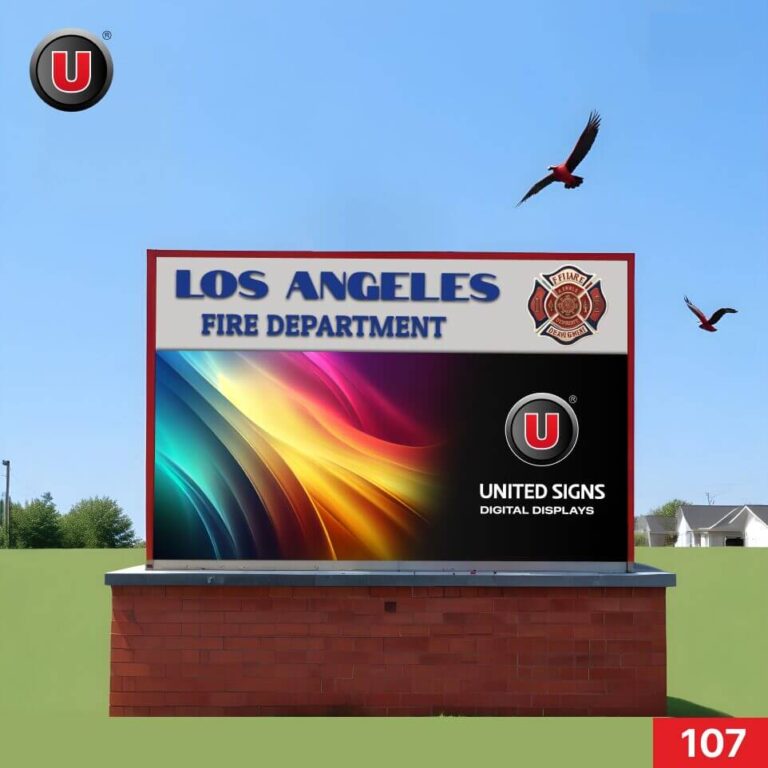
An LED message center outside a city hall, courthouse, fire station, or municipal facility gives the institution a live, updatable communication channel to the public. Meeting schedules, public notices, emergency alerts, road closures, and community announcements can all be pushed in real time. The content changes from a computer without any physical work at the sign.
Interior digital displays in public waiting areas can show queue numbers, department announcements, service hours, permit application status, and general public information. They reduce the need for printed materials and give staff a way to communicate with the public in the waiting area without individual interaction.
Government facilities with digital display networks can push emergency alerts across every screen simultaneously. This is increasingly relevant for facilities that serve large volumes of the public daily and need reliable mass communication capability during incidents or evacuations.
Digital displays in council chambers and public meeting rooms support presentations, agenda displays, and public comment management. These are a practical upgrade from static boards and printed agendas for facilities that hold regular public meetings.
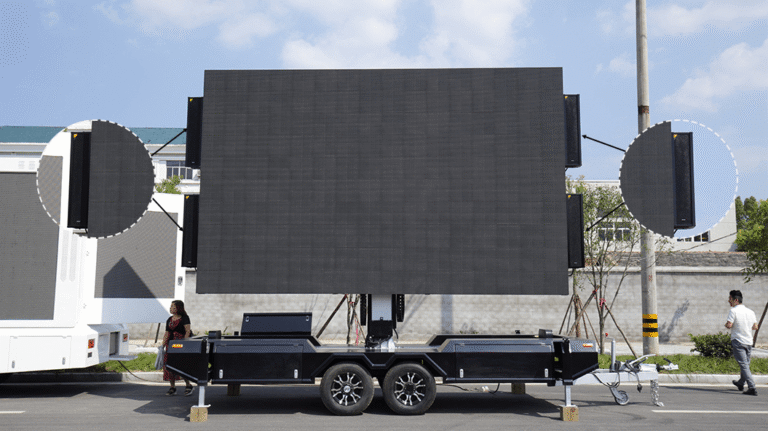
Our government display installations are built and specified for the environments they'll operate in, whether that's an outdoor message center on a busy municipal road or an interior lobby display in a climate-controlled facility.
Government signage projects operate differently than commercial ones. Budgets may be tied to capital improvement programs, bond allocations, or fiscal year cycles. Procurement often involves a formal bid process, approved vendor lists, or specific documentation requirements before a project can move forward. We have worked within those processes before. We know how to provide the documentation, specifications, and budget estimates that purchasing departments need. If your project requires a formal quote for a bid submission, we can prepare one. If you need to plan a project across two budget cycles, we can structure the scope accordingly. We are also straightforward about what things actually cost. Government facilities managing taxpayer funds deserve accurate numbers before committing, not estimates that shift significantly once the project starts.
A lot of signage projects stall because nobody knows what's supposed to happen next. Here's how ours runs:
We look at your facility, existing signage, compliance requirements, and what you are trying to accomplish. For multi-building programs, we assess each site before the design phase starts.
You see what the sign will actually look like before anything gets fabricated. Scale, placement, and materials shown in context of your actual facility.
Everything is built in our own facilities. We are not outsourcing to a third party and hoping the spec comes back right.
Our crews handle installation using certified installers with the right equipment and insurance for the job.
We don't disappear after the truck leaves. If something needs adjusting, or you are adding a new building and need to match existing signage, you are working with the same team.
Government projects typically involve procurement processes, budget cycles, and approval requirements that differ from commercial work. We have worked within those processes before, and we know how to keep a project moving without getting ahead of the required steps. ADA compliance and code requirements are a standard part of how we approach government signage, not something we address at the end. We handle design, permitting, fabrication, and installation. With over 30 years of experience, more than 1,000 completed projects, and 12 locations across the country, we have regional teams available for most project sites.
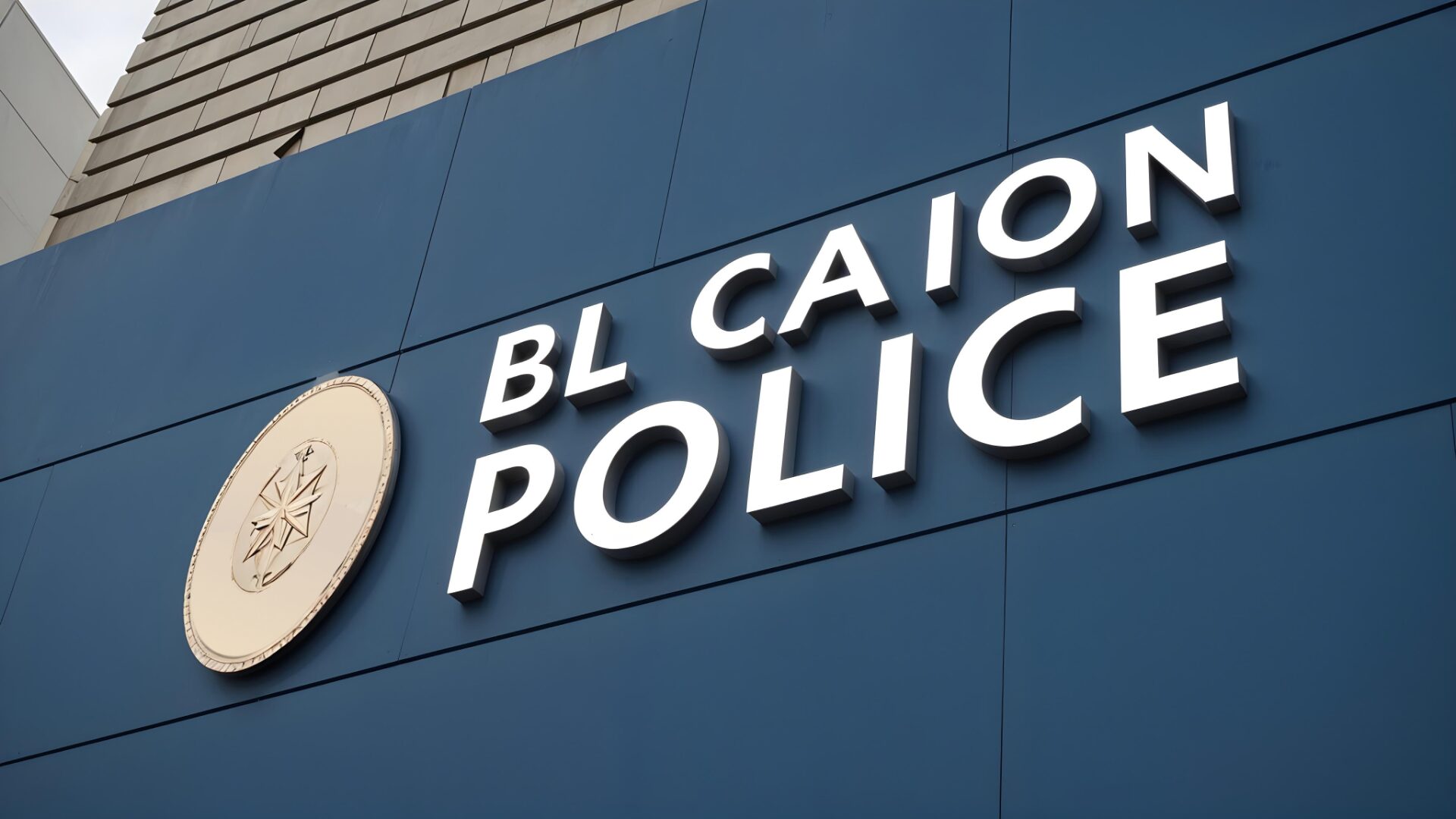
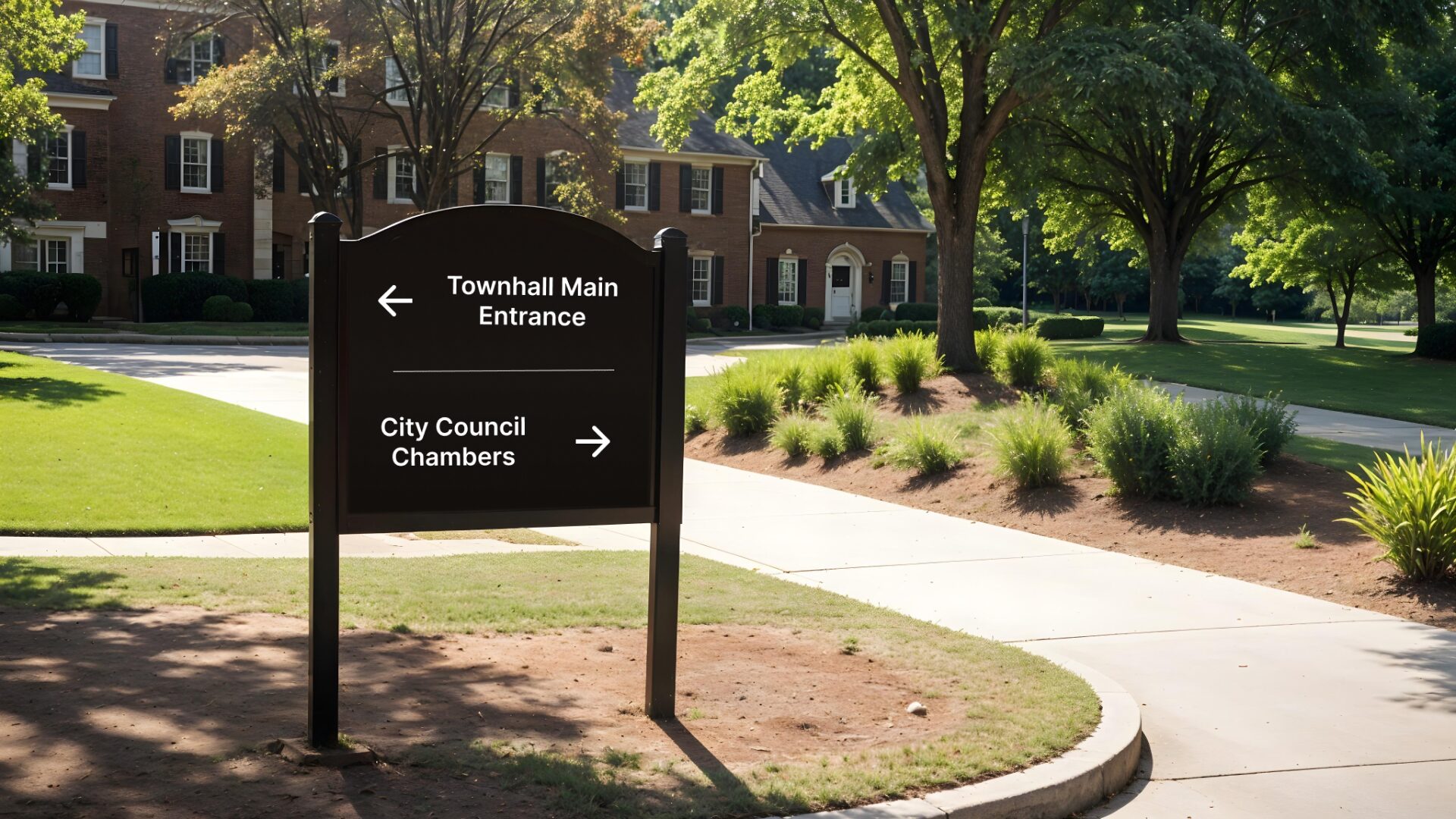
Custom exterior and interior signage for government buildings designed to guide the public, meet code requirements, and communicate the professionalism of city, county, and municipal facilities.

Oct 8, 2026

Oct 7, 2026

Oct 2, 2026
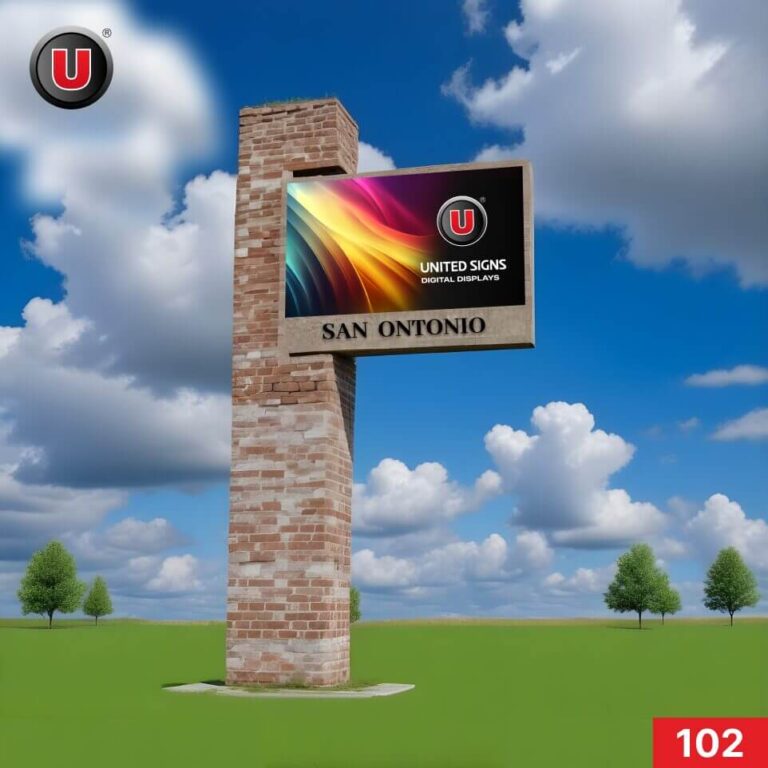
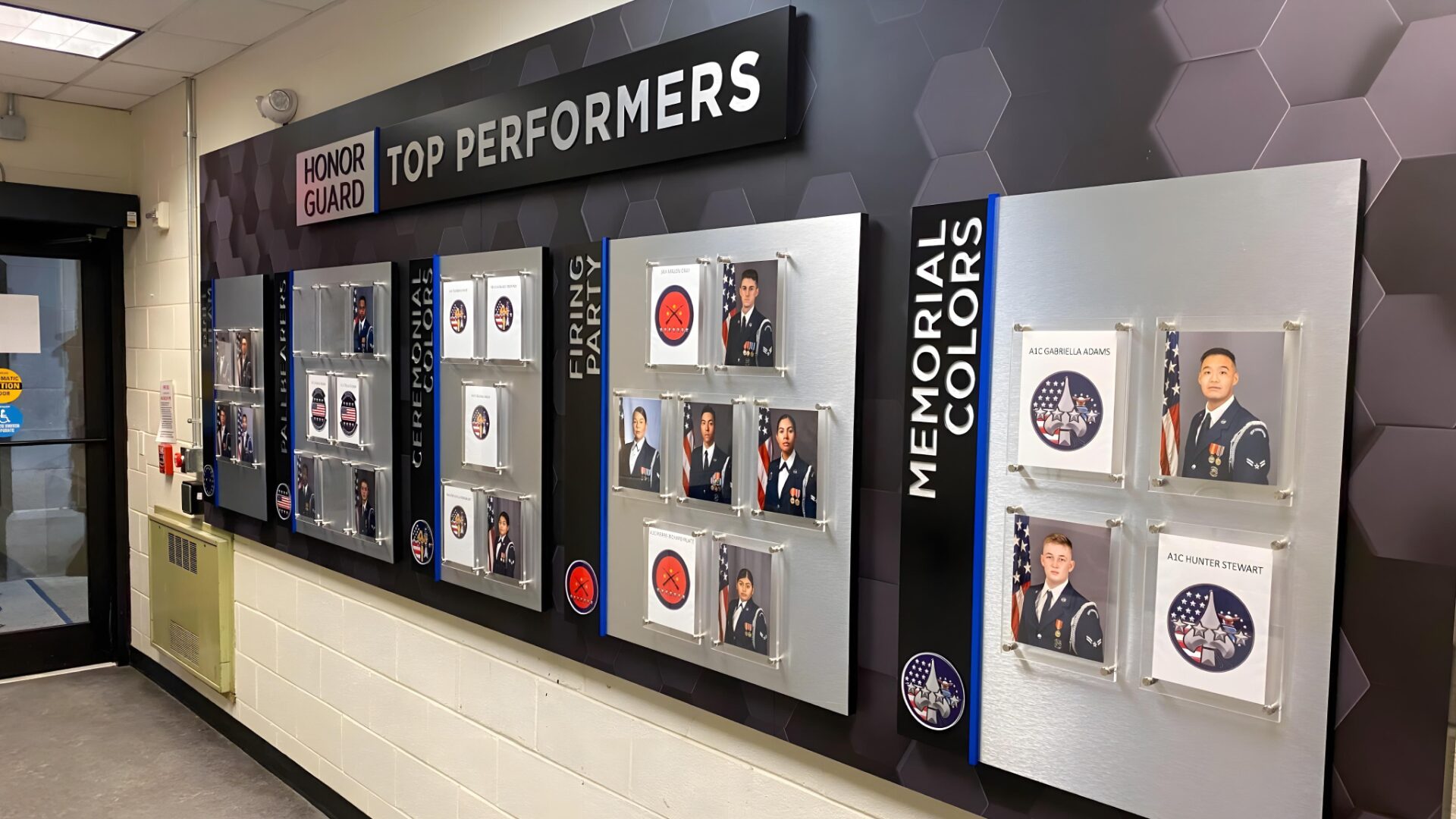
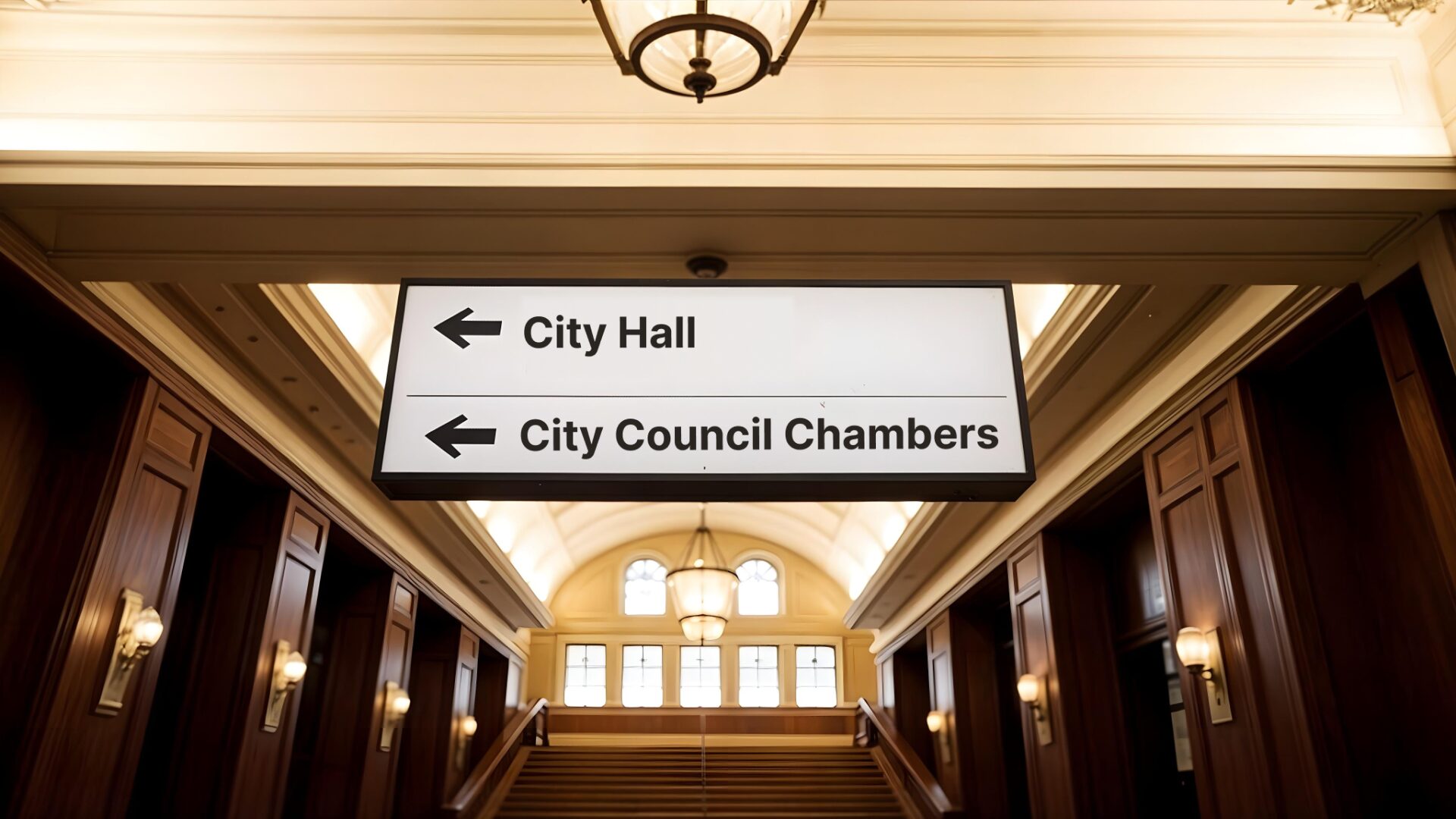
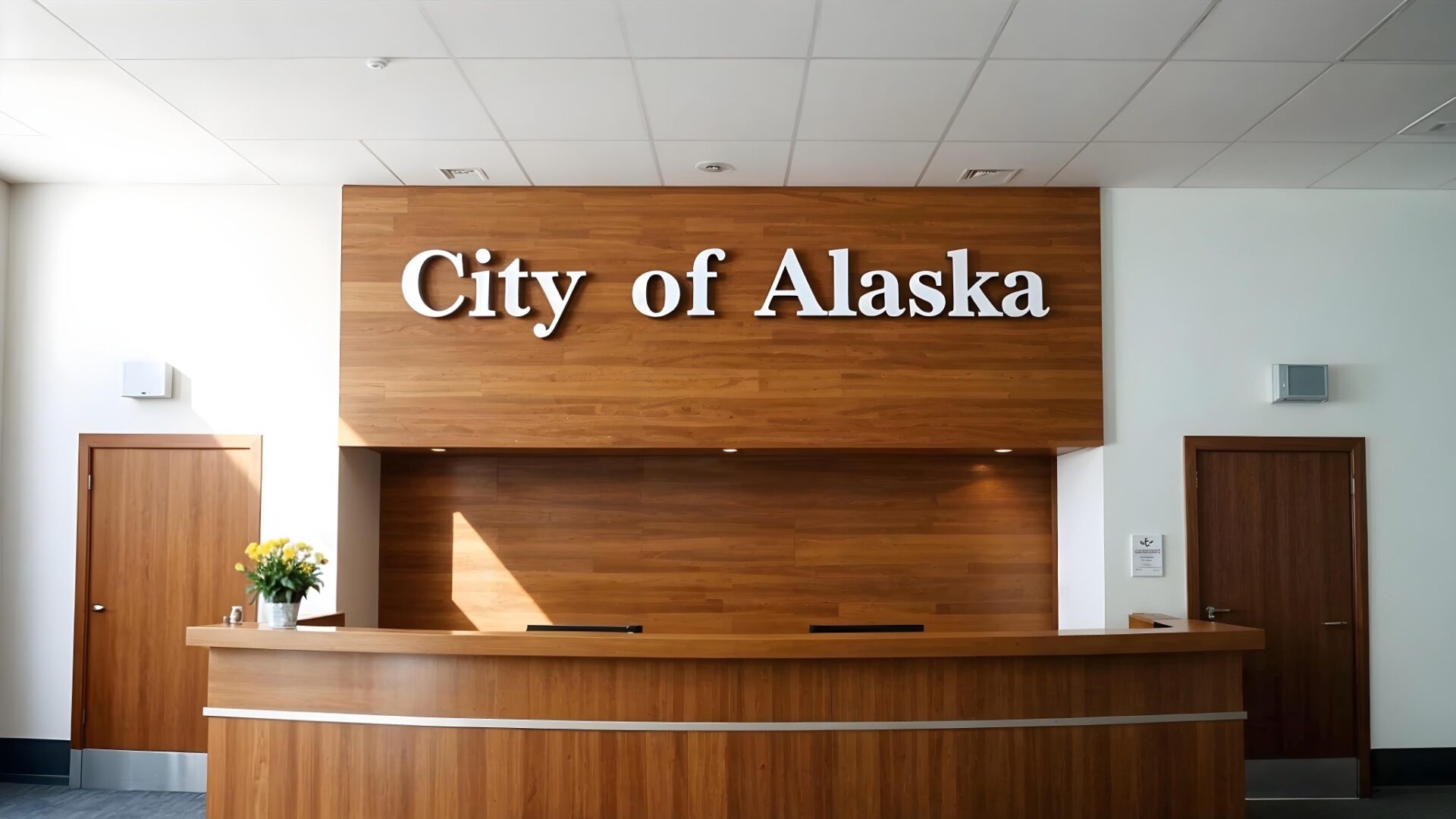
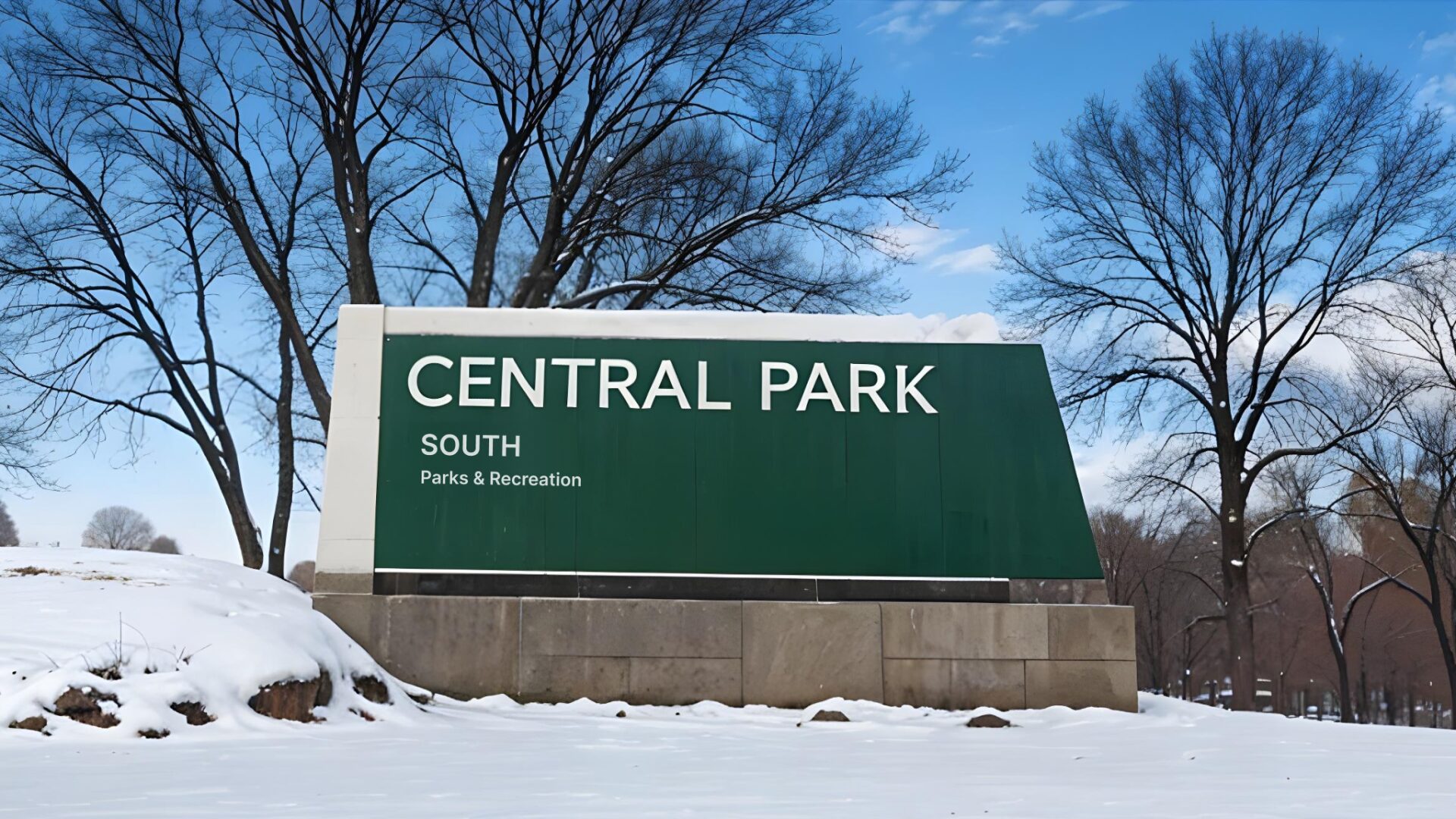
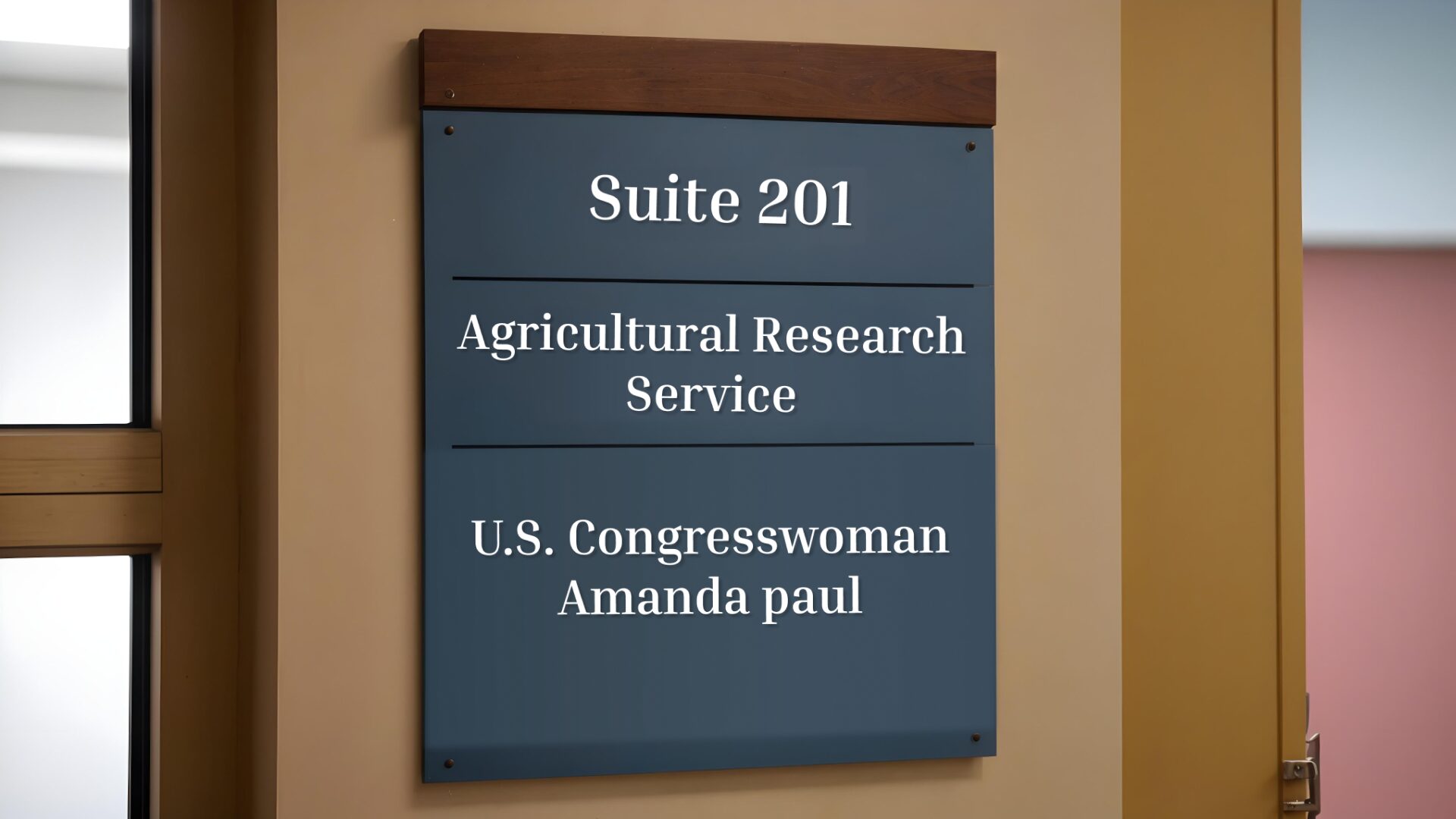
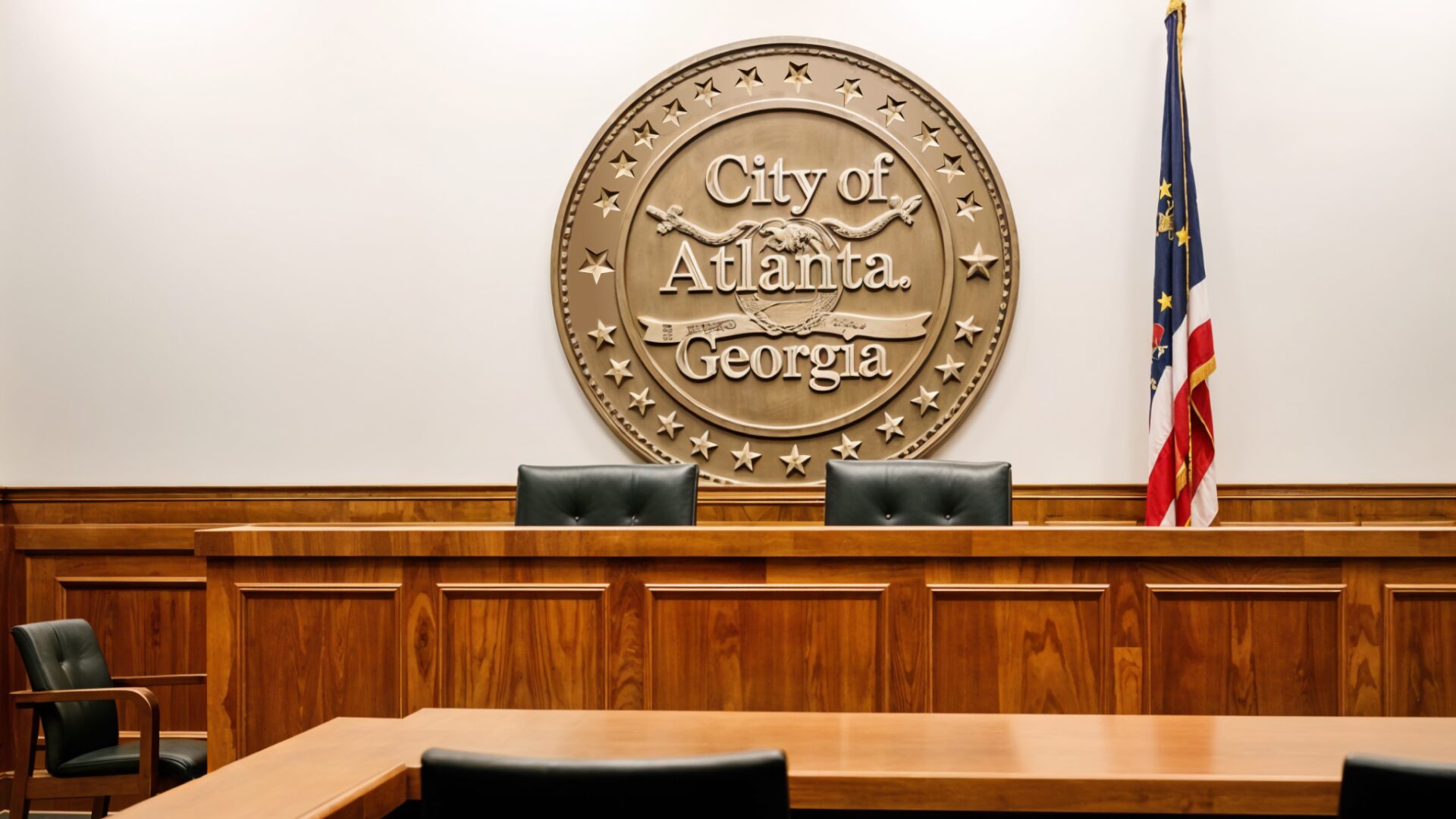
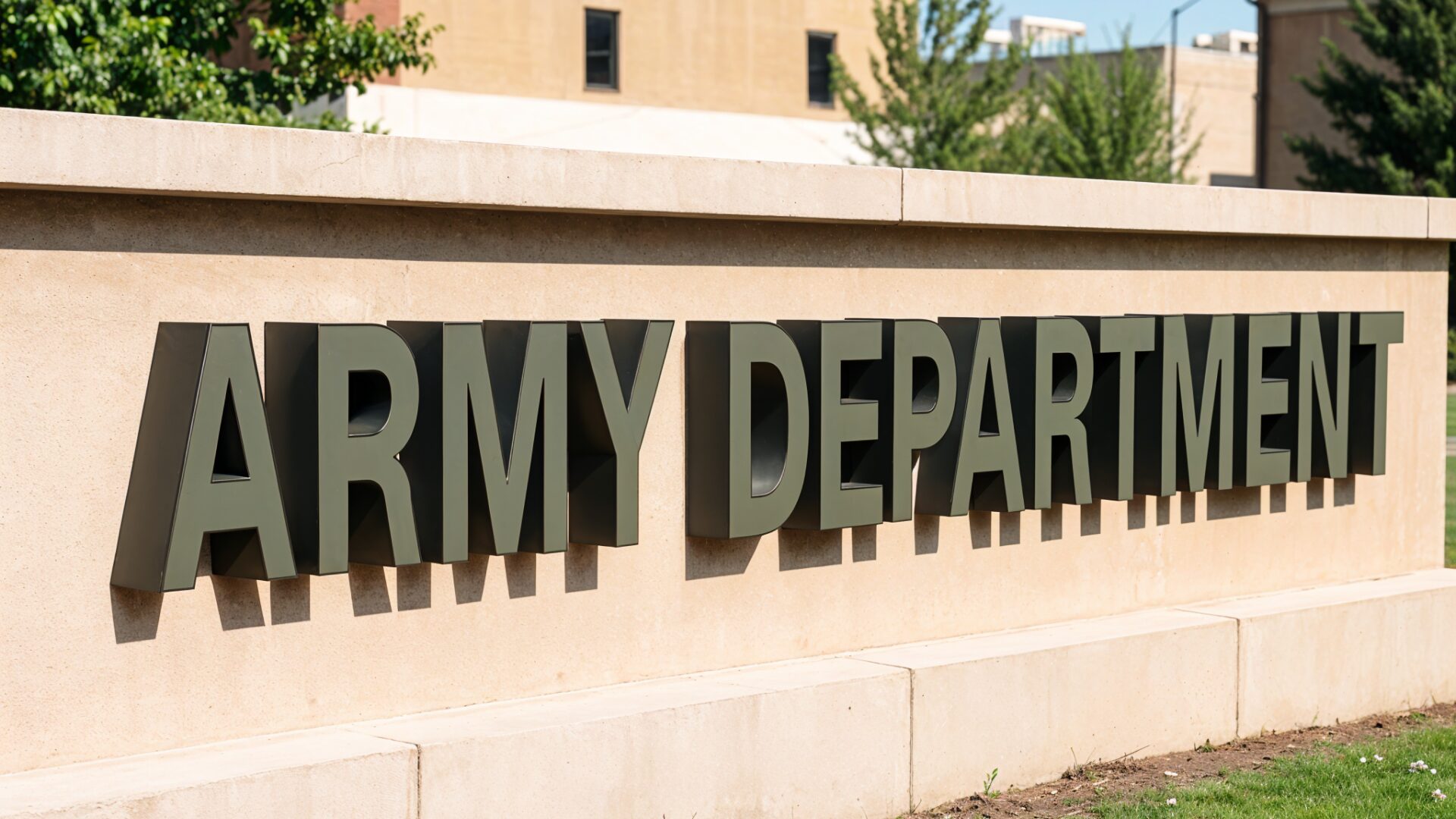
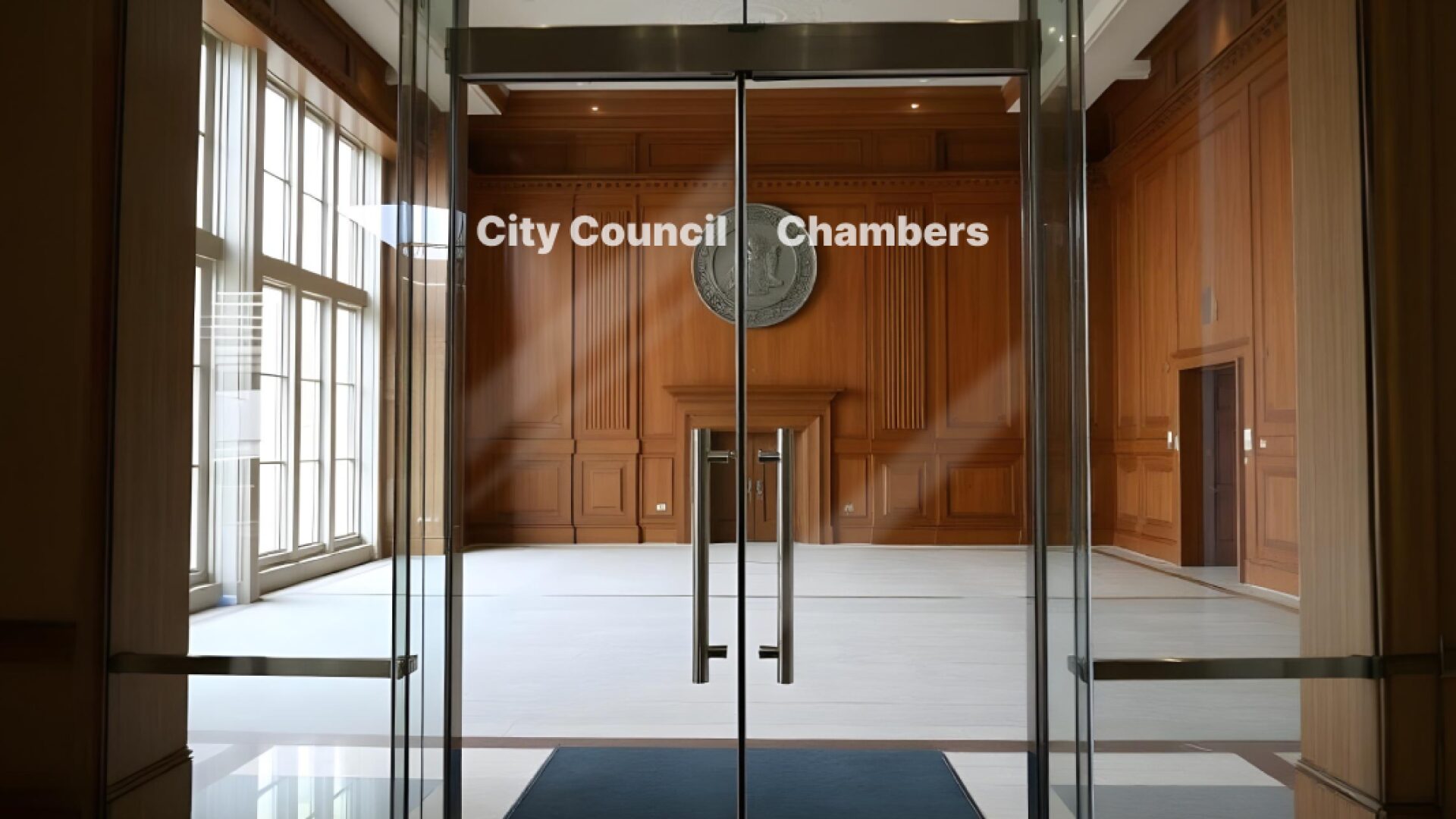
Interior signage including dimensional letters, plaques and seals, recognition displays, environmental graphics, directory signs, directional signs, room IDs, and regulatory signs. Exterior signage including monument signs, plaques and seals, dimensional letters, identification signs, directional signs, and park and trail maps.
Yes. We are familiar with how government procurement and approval processes work and can work within those requirements. If you have specific process questions, we are happy to discuss them upfront.
Yes. We have worked on government campuses with multiple buildings and departments. Keeping signage consistent across a larger site is something we plan for from the design stage.
Yes. Design, fabrication, and installation are all included. We manage the project through to completion.
Yes. Design, fabrication, and installation are all included. We manage the project through to completion.
We have local teams across 12 locations. If something needs attention after the project is complete, there is a regional contact available rather than a distant support line.
A signage audit is usually the right first step. We assess what is currently in place, identify compliance gaps and outdated elements, and give you a clear picture of what a full update would involve before any budget is committed. That gives you the information you need to take the project through your internal approval process.
Yes. We can prepare formal quotes, specifications, and supporting documentation for bid submissions and procurement processes. If you have a specific format required by your purchasing department, let us know at the start and we'll work within it.
Material selection depends on the application, location, and durability requirements. We use aluminum, steel, HDU, concrete, stone veneer, and other appropriate materials for different sign types. For outdoor installations that need to last without constant maintenance, we'll specify materials that match the exposure conditions at your site.
Yes. With the right content management software, exterior LED displays can push emergency notifications immediately. This is increasingly common for city halls, courthouses, fire stations, and other government facilities with public-facing communication responsibilities.
A properly fabricated and installed exterior sign, monument or otherwise, should last 15 to 20 years or more under normal conditions. Digital LED displays are built to run 10 years or more. We'll give you realistic performance expectations and warranty details for every sign type before the project starts.

Whether you are planning a single installation or a multi-location custom signage solutions program, our team will respond within 24 hours with a clear next step and no obligation. Tell us about your project, and a specialist will get back to you directly.
Our sales team will respond within 24 hours.
Tell us about your project and a specialist will get back to you within 24 hours.
Thanks for reaching out. A United Signs specialist will contact you within 24 hours.
Get a response in 24 hours