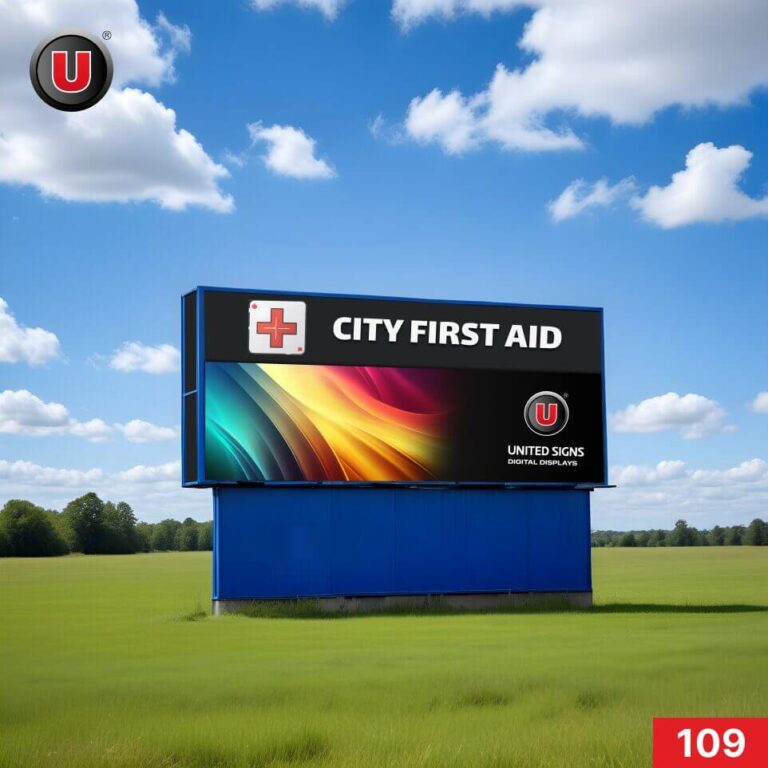
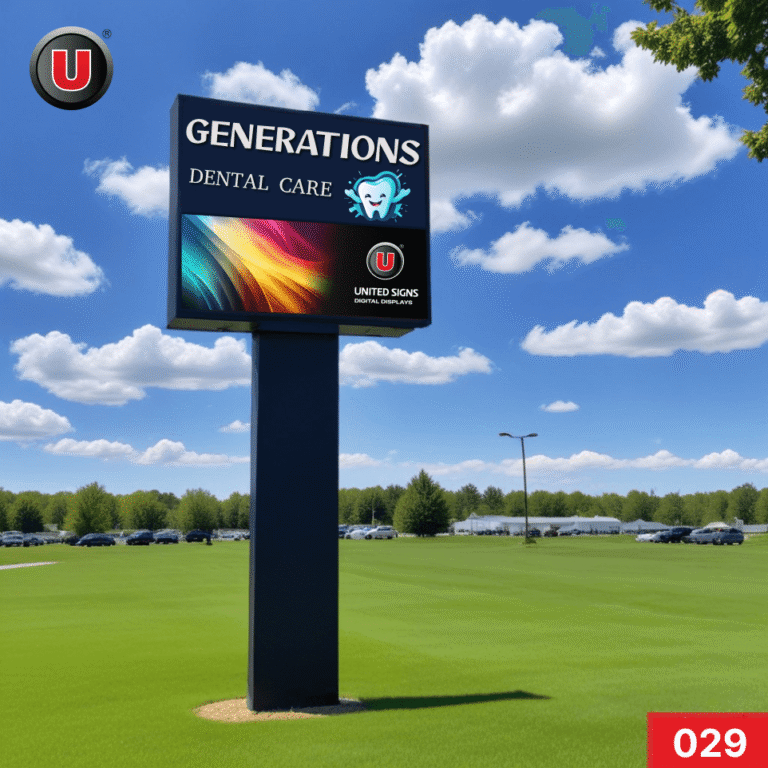
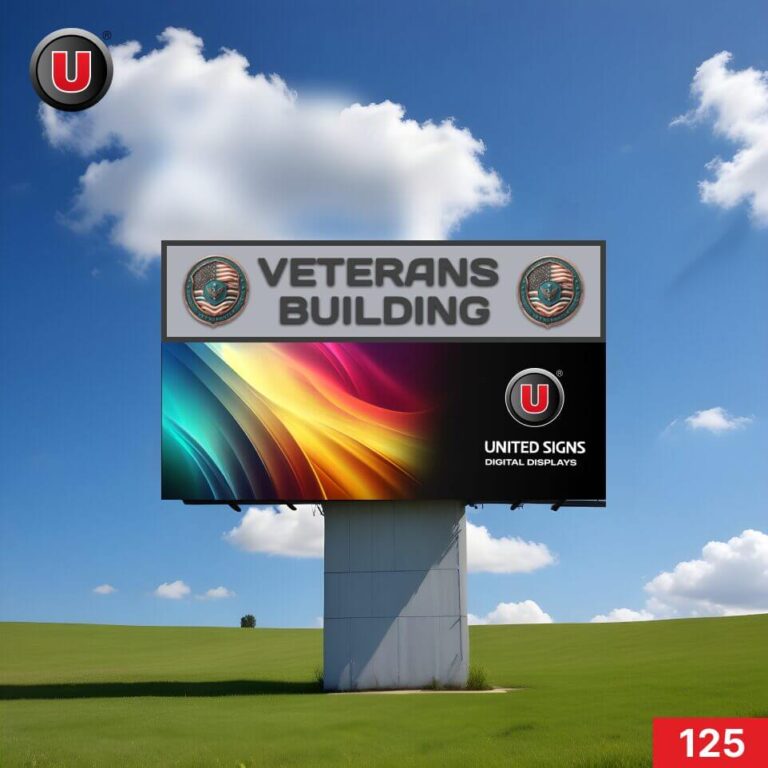
United Signs designs and installs healthcare signage for hospitals, medical centers, and clinics. Interior, exterior, and digital displays included.
Shop Now
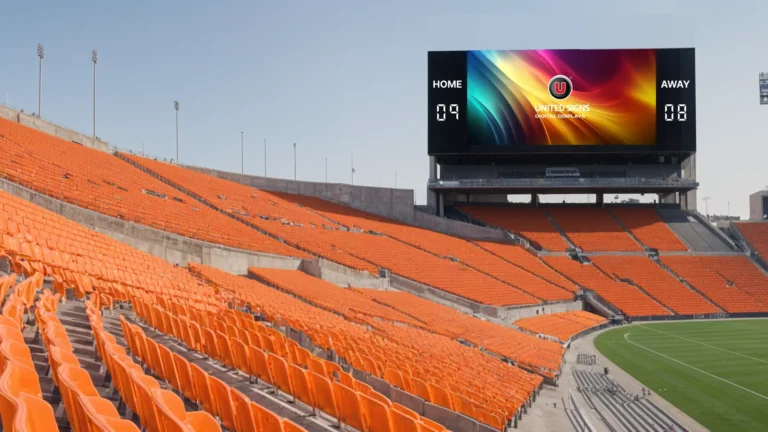
United Signs uses only the best LEDs to guarantee the highest image quality, unified illumination, color, and power efficiency.

We aspire to build the most reliable and consistent LED displays that meet your specific design and technical requirements.
United Signs offers user-friendly technology that helps clients produce stimulating content experiences.
United Signs is here to assist. We provide installation and training support by phone, online, or in person with our local sales teams.
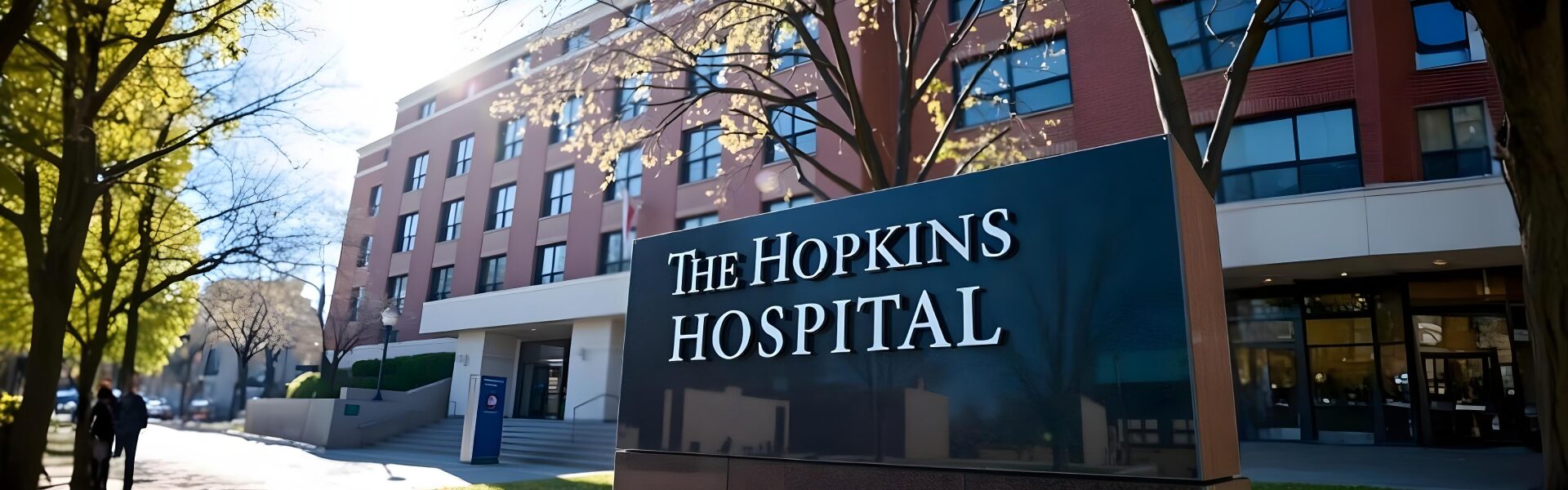
A hospital or medical campus serves a wide range of people moving through different areas with different needs. Patients, families, staff, emergency personnel, and vendors all share the same space. Here's every touchpoint we cover:
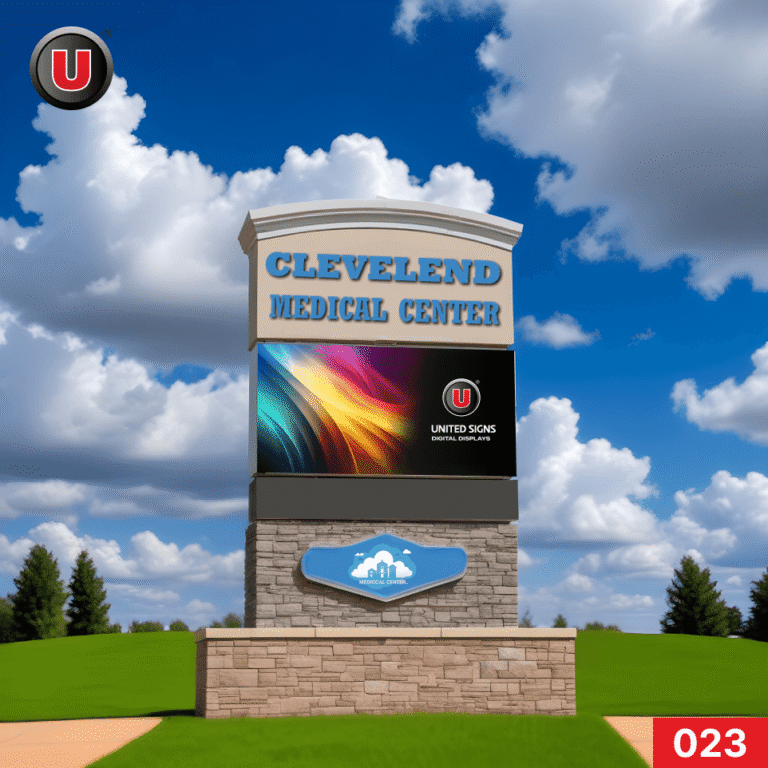
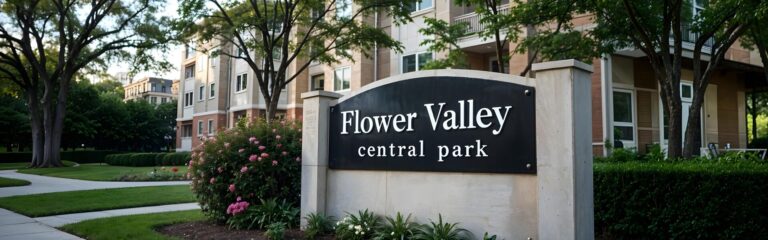
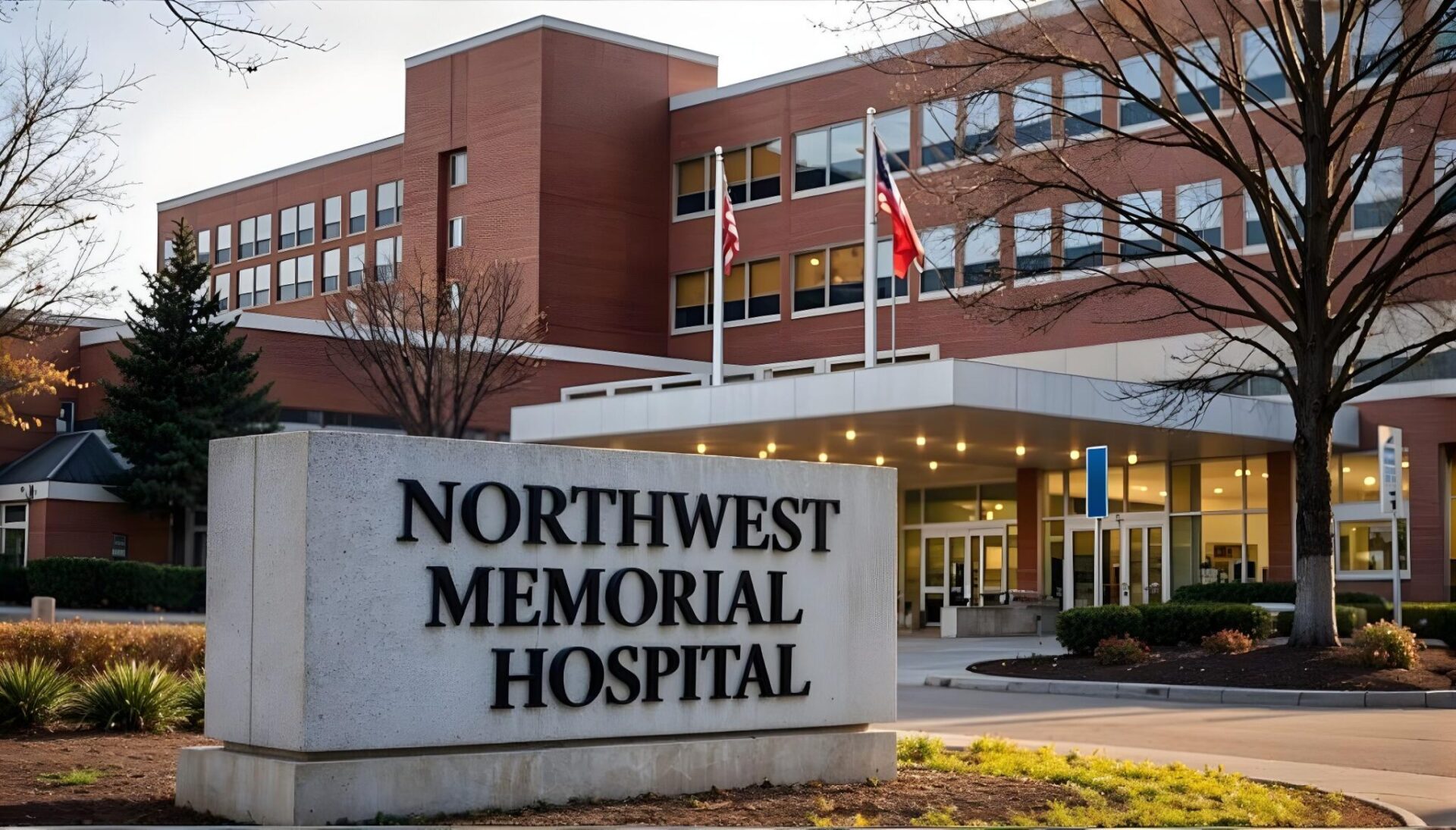
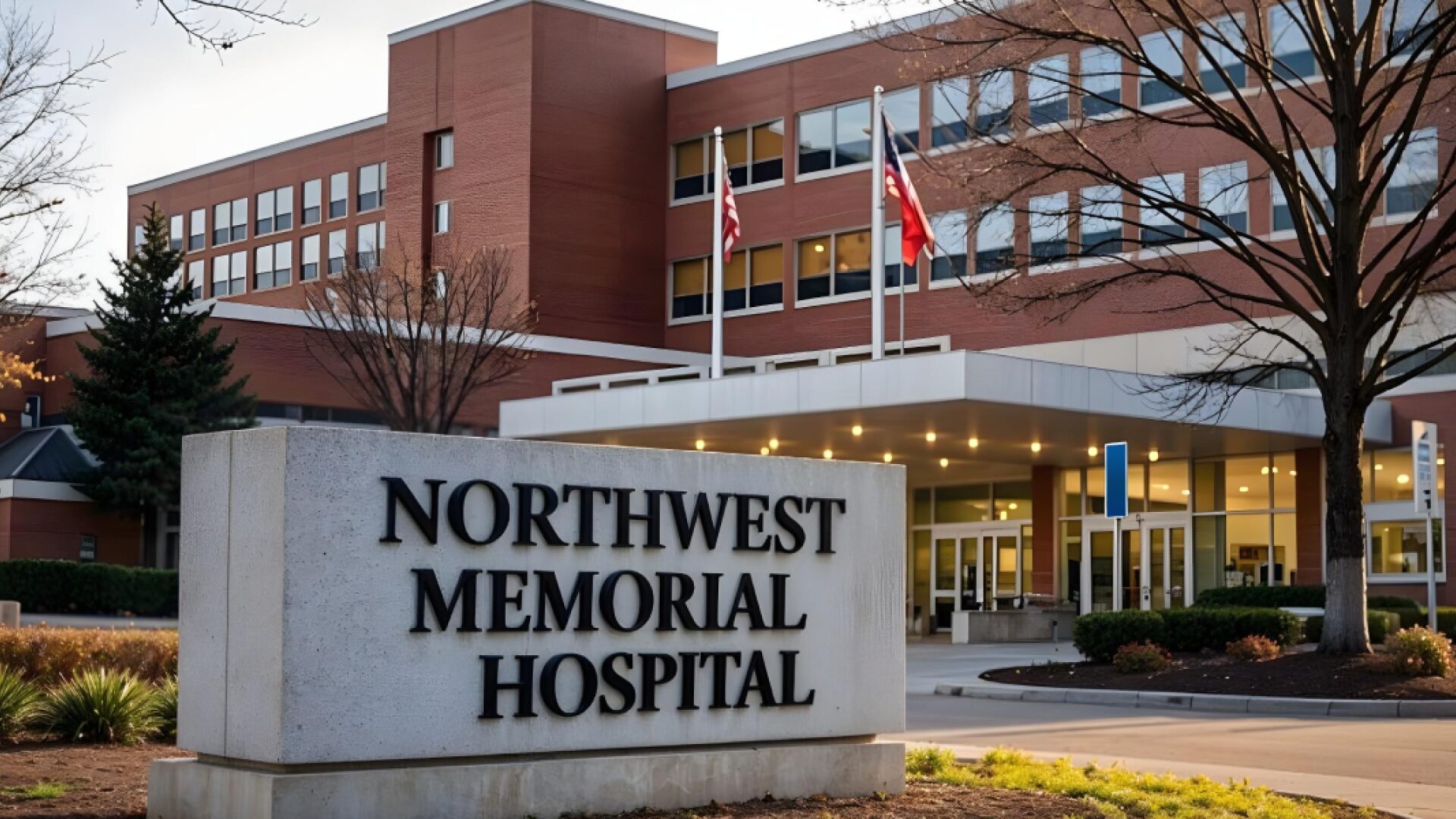
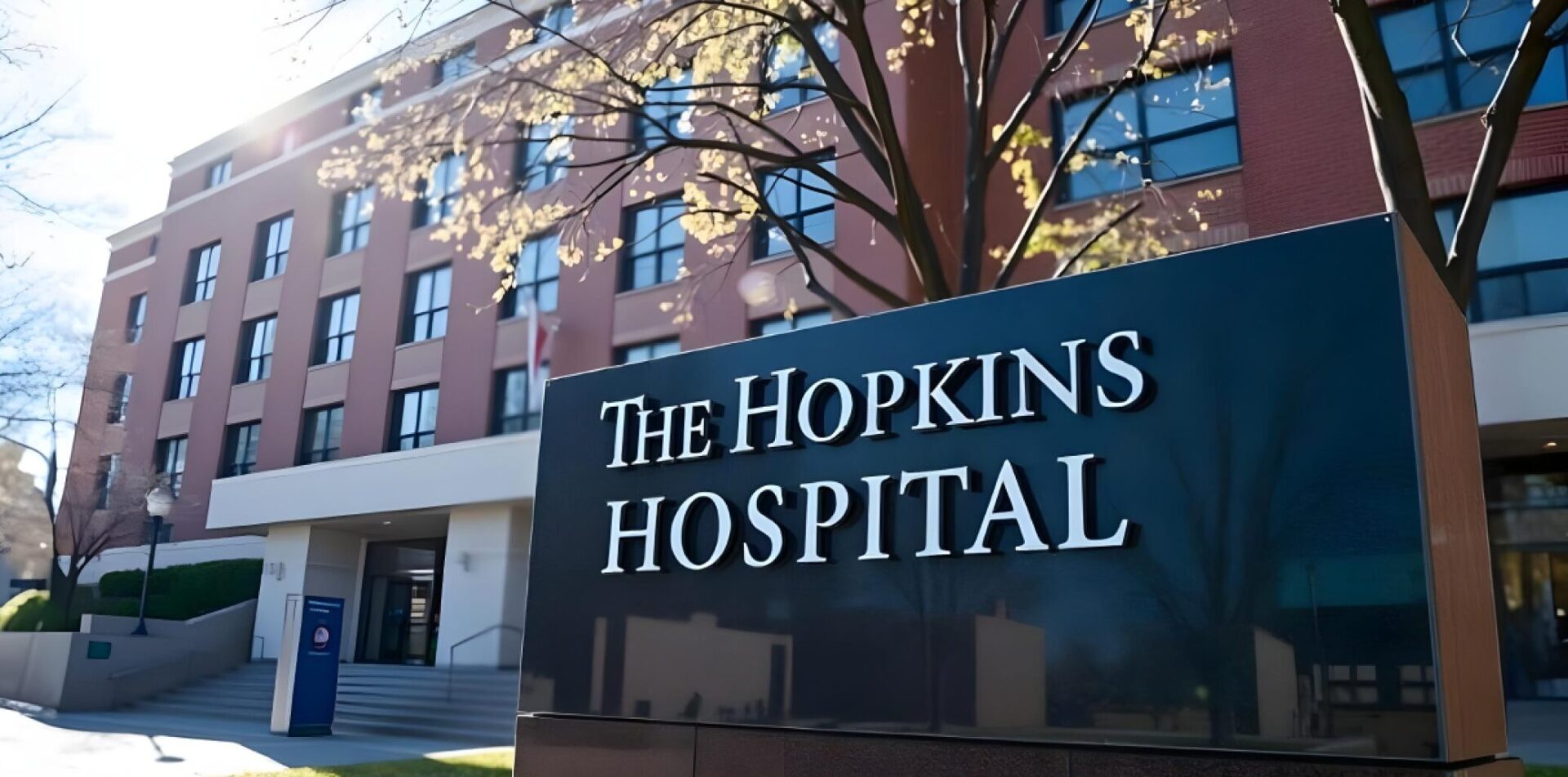
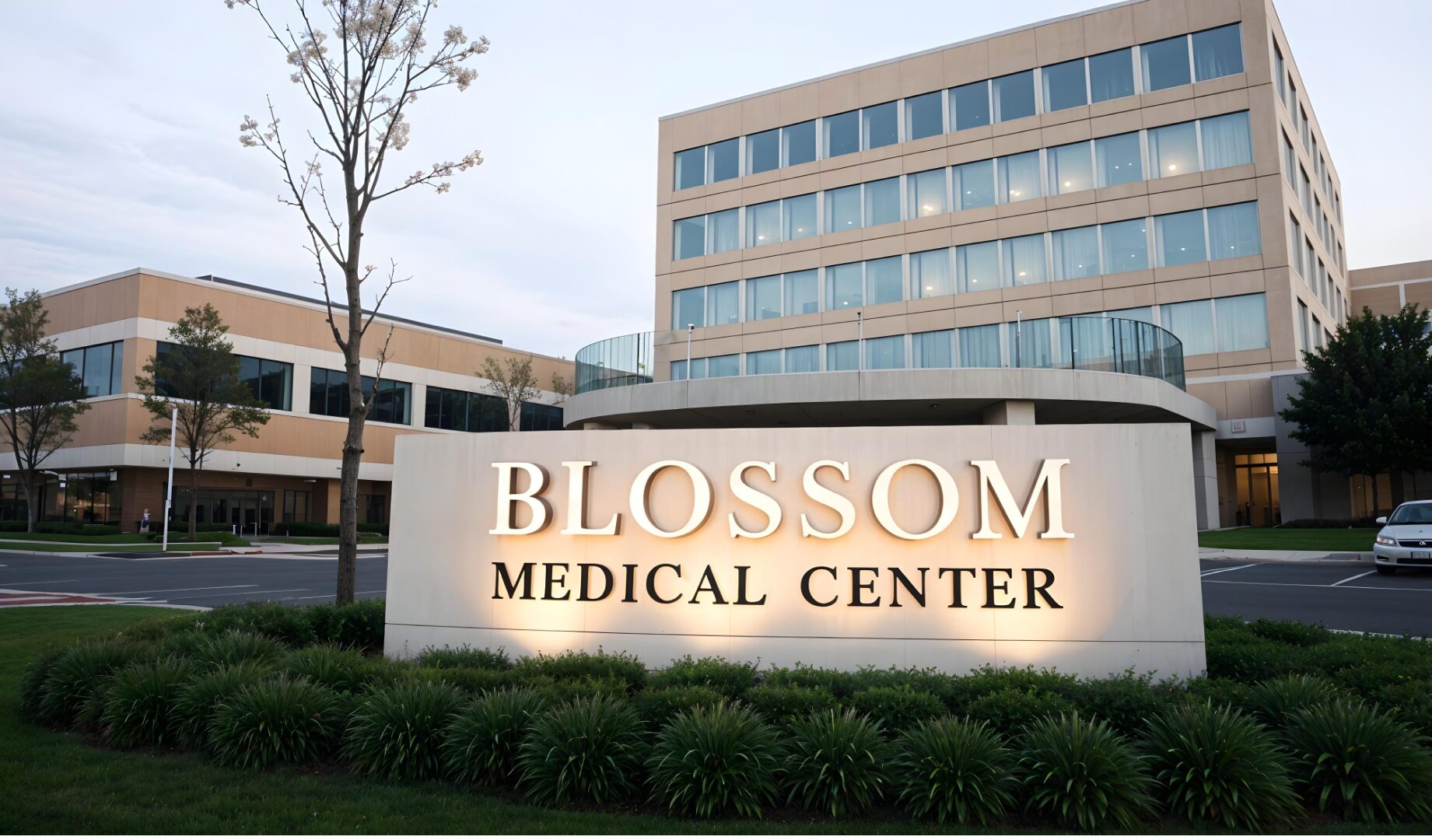
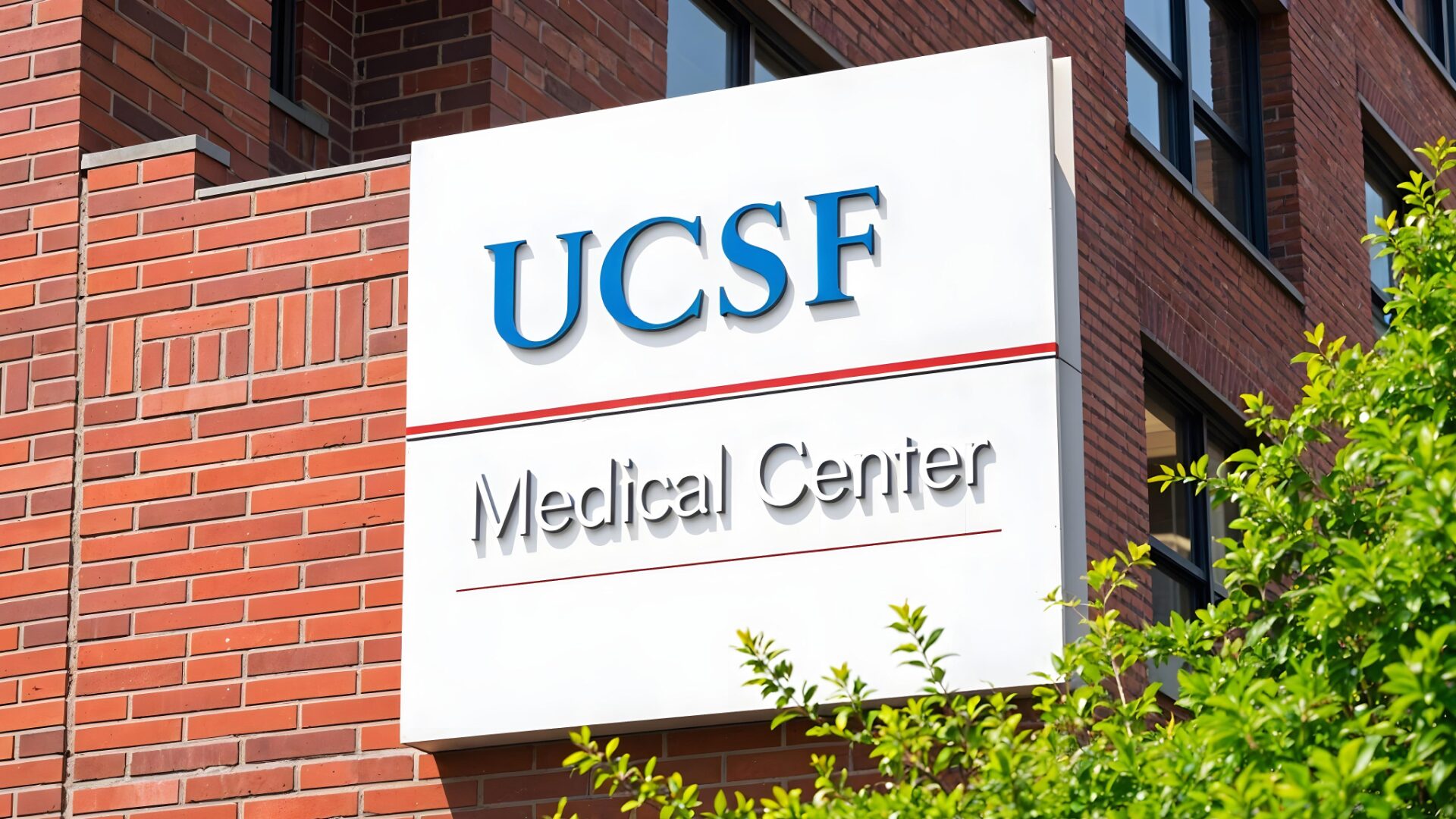
Monument signs and identification markers that confirm to a patient or visitor they have arrived at the right place before they even pull into the lot. On a large medical campus with multiple entry points, this is the first navigation decision someone makes.
Patient parking, visitor parking, accessible spaces, valet zones, emergency drop-off, and staff areas. A confusing parking lot is the first friction point in what is often already a stressful visit. Clear lot signage removes that before anyone reaches the door.
Entry identification, check-in markers, and visitor processing signs. Many medical facilities have controlled access points where clear signage guides people through the process without requiring staff to redirect every arrival.
Floor directories, department listings, and stairwell identification. In multi-story facilities, these are critical wayfinding junctions. A patient who gets off on the wrong floor loses time and confidence.
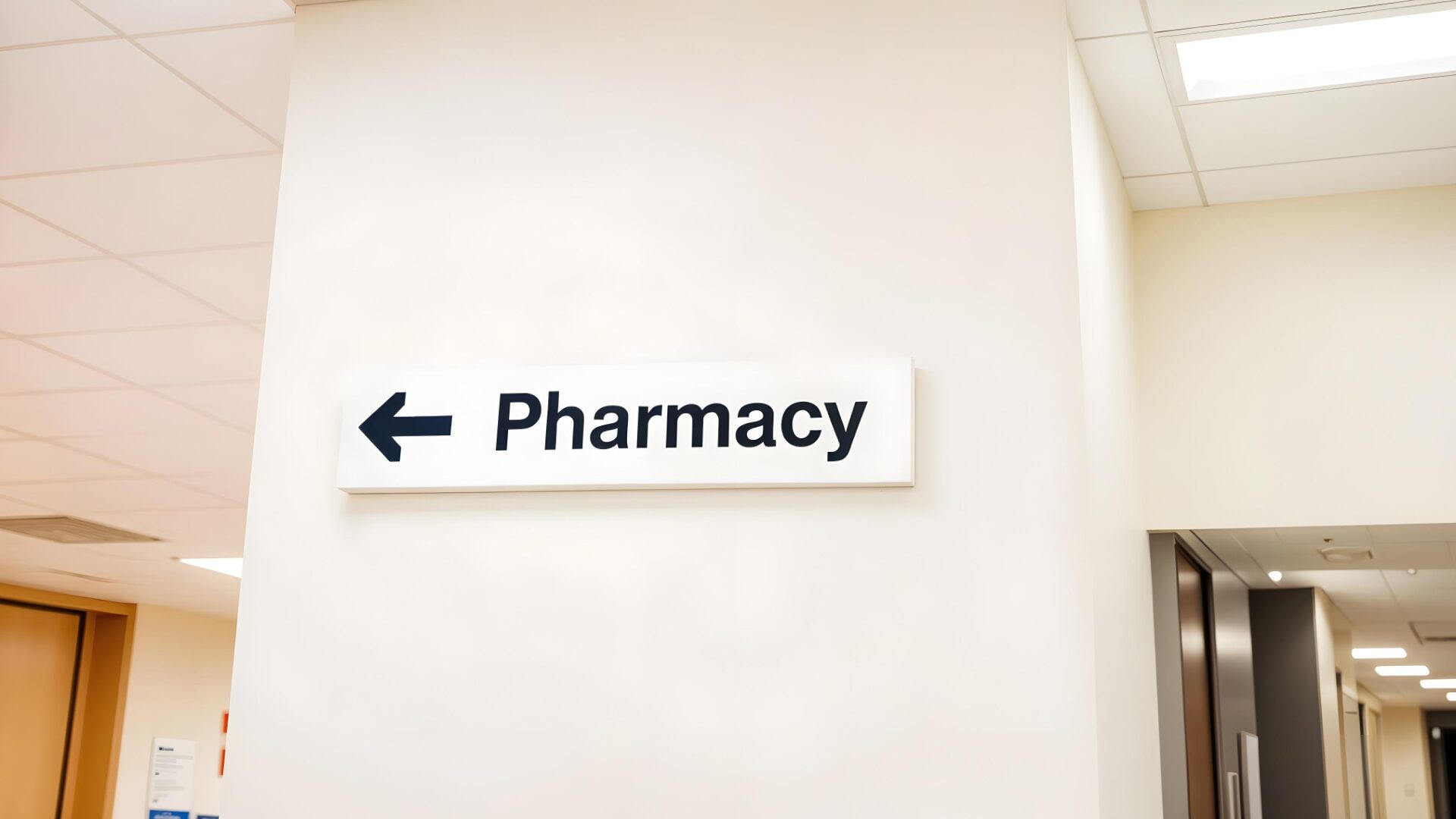
Junction markers, wing identifiers, and corridor signs that guide people step by step without needing to stop anyone for directions.
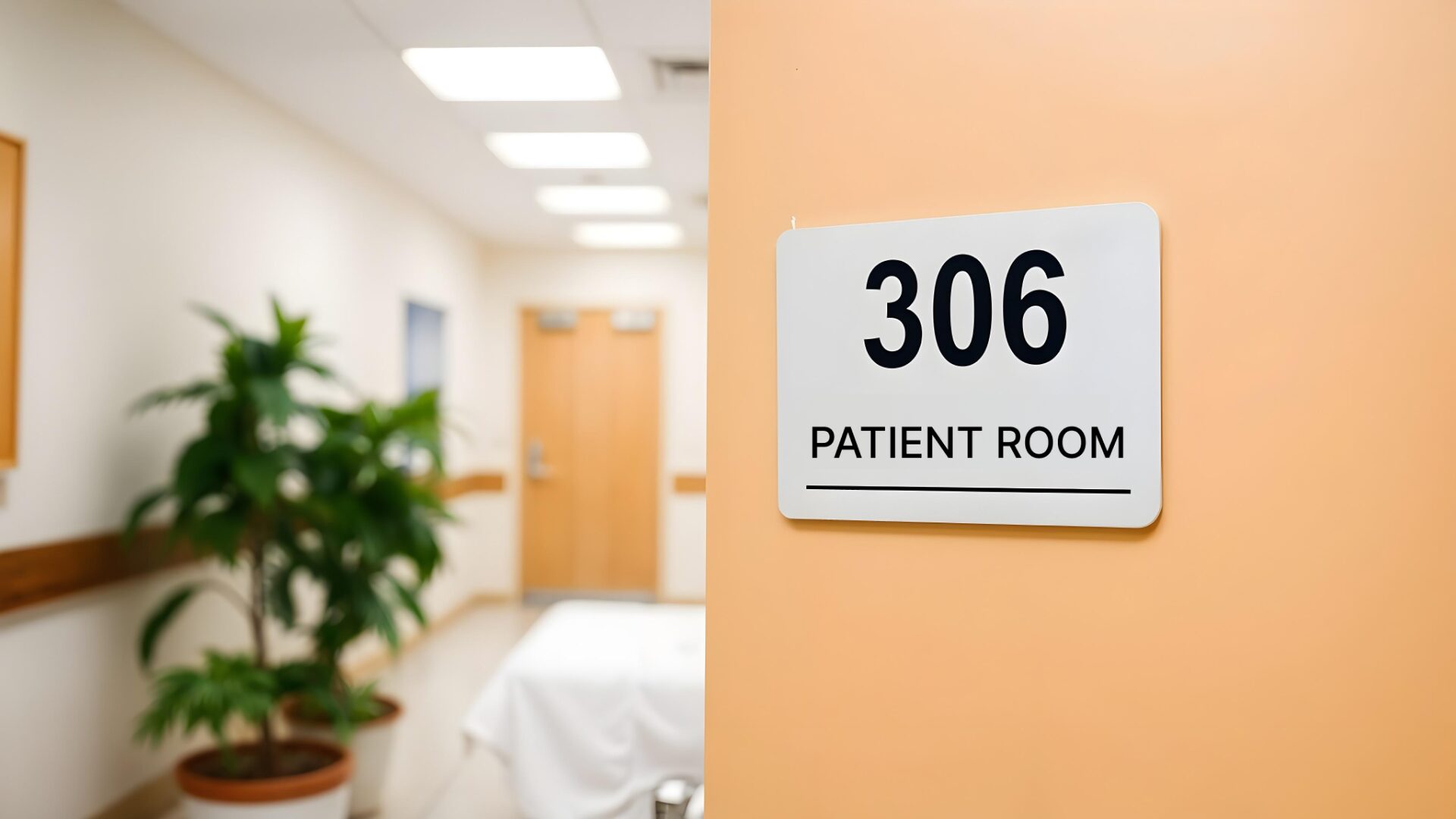
Room identification, department labels, and restricted area markers. Consistent and ADA-compliant across every floor and building.
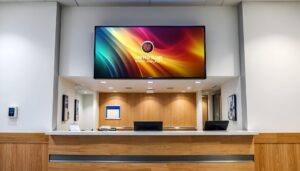
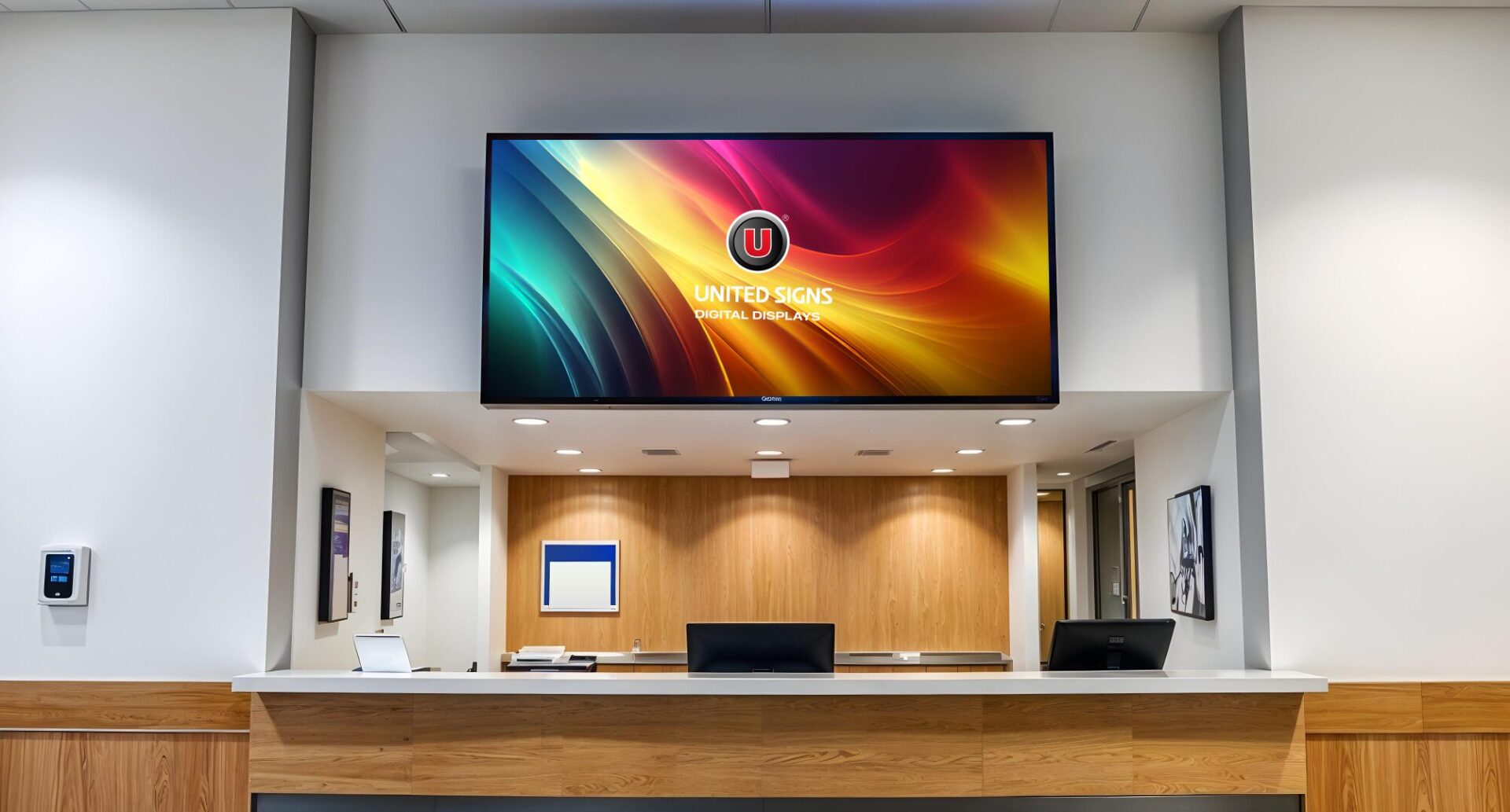
Digital displays showing estimated wait times, health information, and facility announcements. A well-managed waiting area display reduces perceived wait time and keeps patients informed.
Clear, high-visibility signage at emergency entrances, triage areas, and internal routing. In this area specifically, signage that fails is not a minor inconvenience.
Most facilities revisit signage only during a renovation or after a complaint reaches leadership. Here's what's at stake before it gets to that point:
A patient who arrives stressed, gets lost, and shows up late to an appointment starts the visit on the wrong foot. Clear exterior and interior wayfinding reduces that stress load before the clinical encounter even begins. In a field where patient satisfaction is measured and reported, this matters.
Nursing staff and front desk teams spend a measurable amount of their shift answering directional questions. In a busy facility, that adds up. A sign system that answers those questions before they're asked frees up clinical staff for the work they were actually hired to do.
Healthcare facilities are held to strict ADA signage standards and face greater scrutiny than many other building types. Non-compliant room identification, missing Braille, incorrect mounting heights, and inadequate contrast ratios create legal exposure. These gaps are also common in facilities that have grown through renovation and addition over the years without updating signage to match.
Exit signage, evacuation route markers, restricted zone identification, and hazard signs need to be current, correctly placed, and visible under emergency lighting conditions. In a large medical facility with a high daily occupancy, this is a life safety requirement, not a detail.
A patient who visits multiple facilities in the same health system expects a consistent experience. When signage varies significantly from one location to the next, it signals a fragmented organization rather than a coordinated system of care.
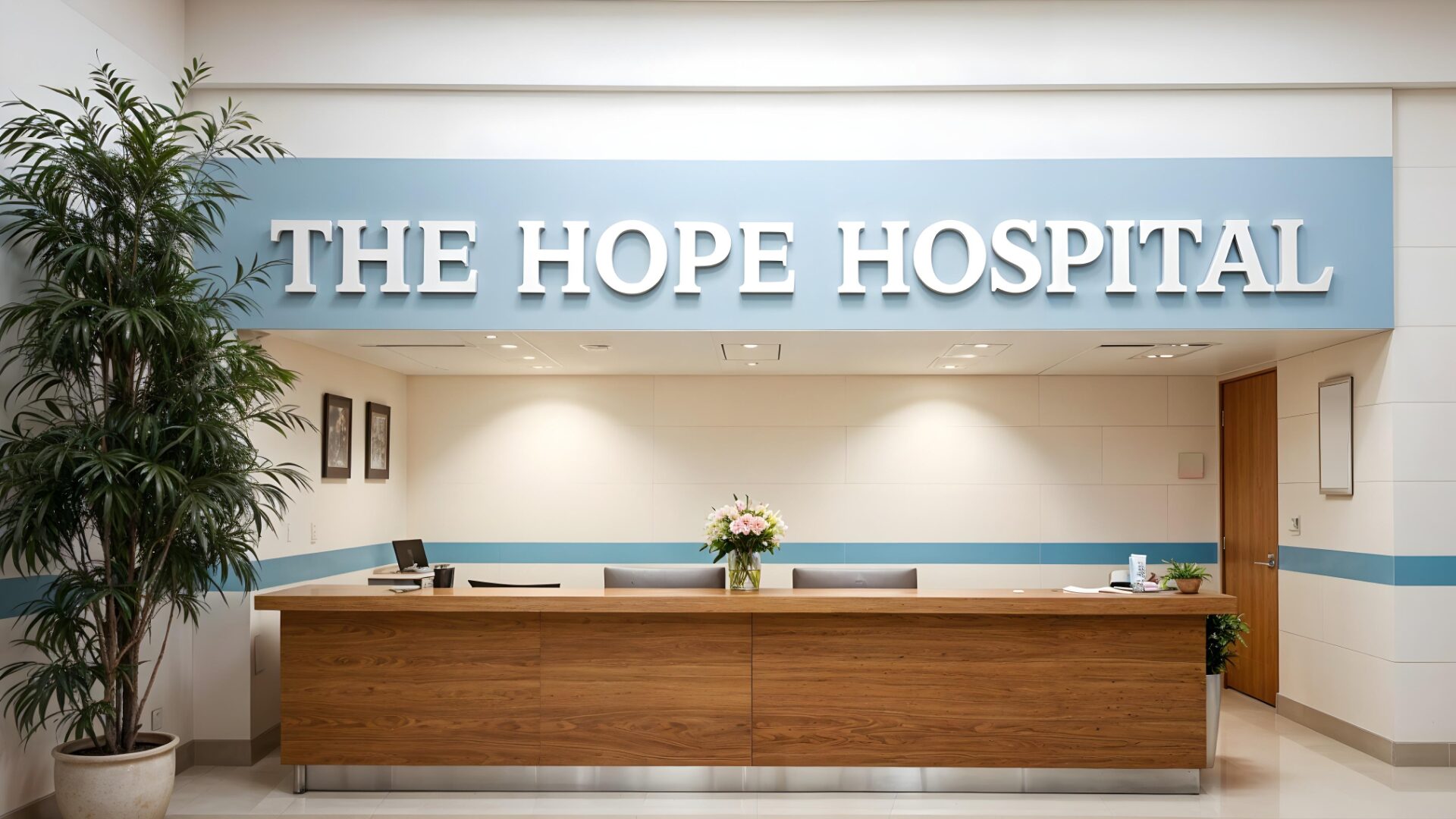
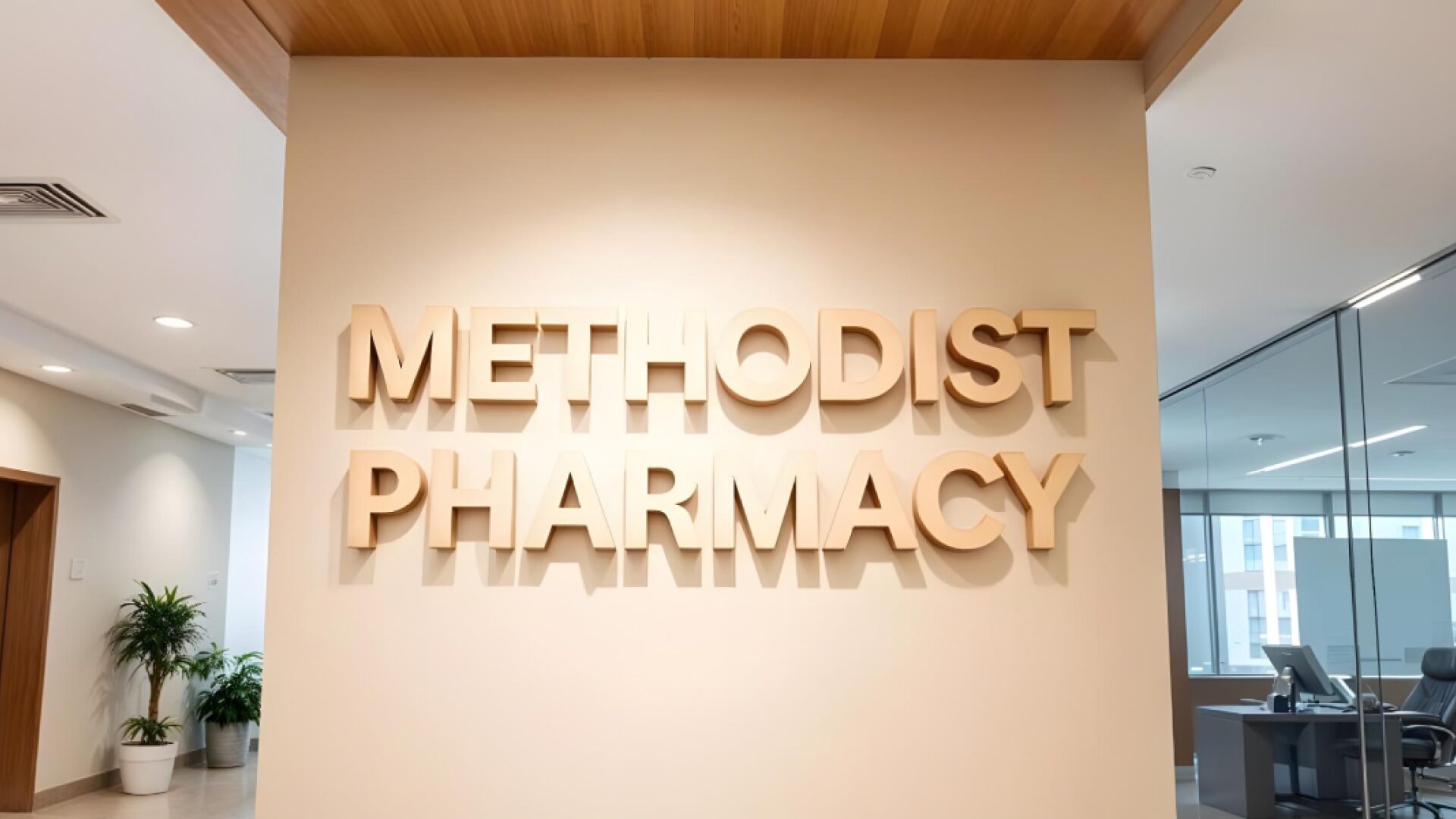
Inside a medical facility, signage needs to be clear, consistent, and easy to follow for someone who has never been there before and may not be in the best state of mind. That is a different standard than most other environments, and it shapes how we approach healthcare interior signage projects.
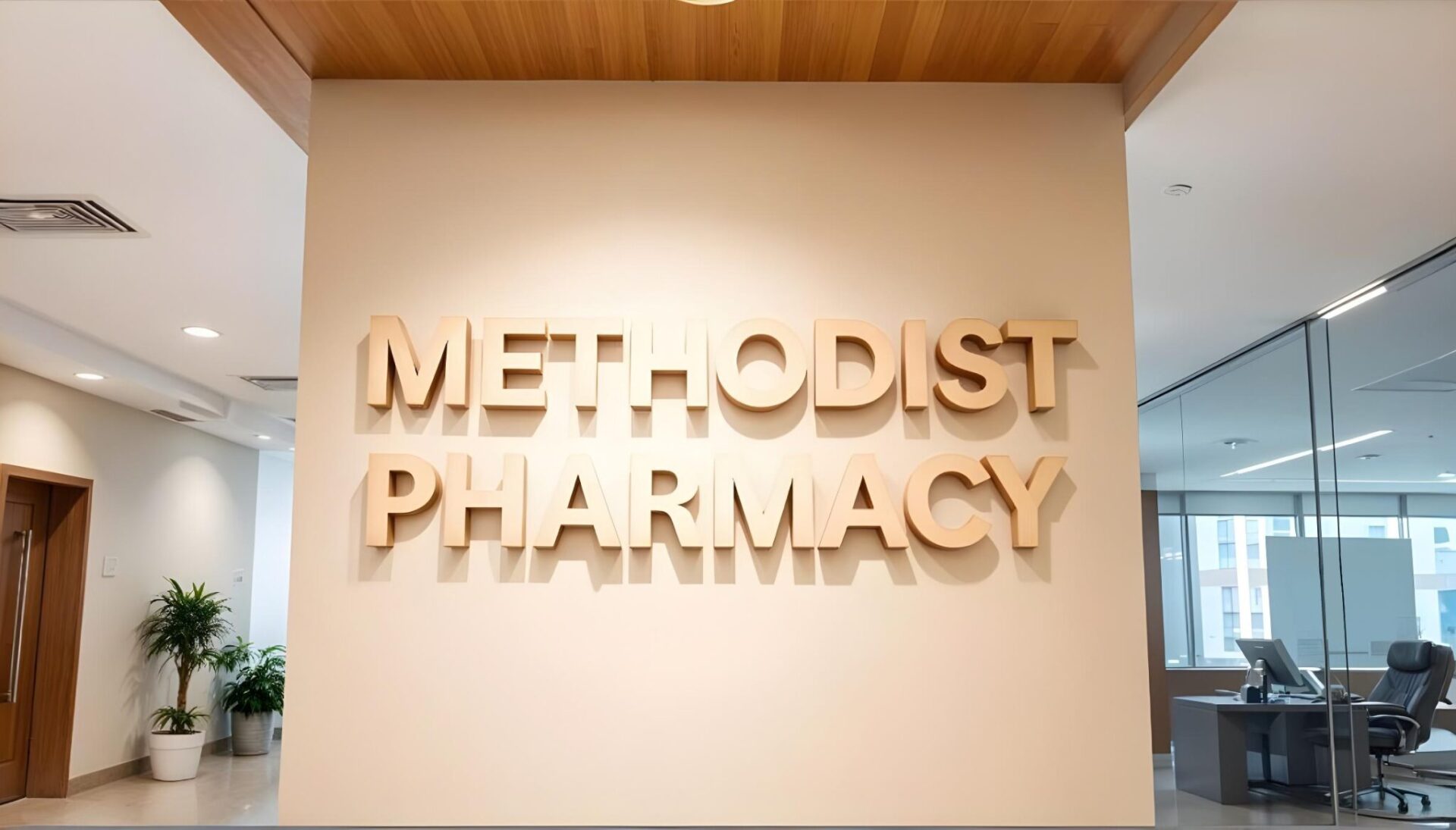
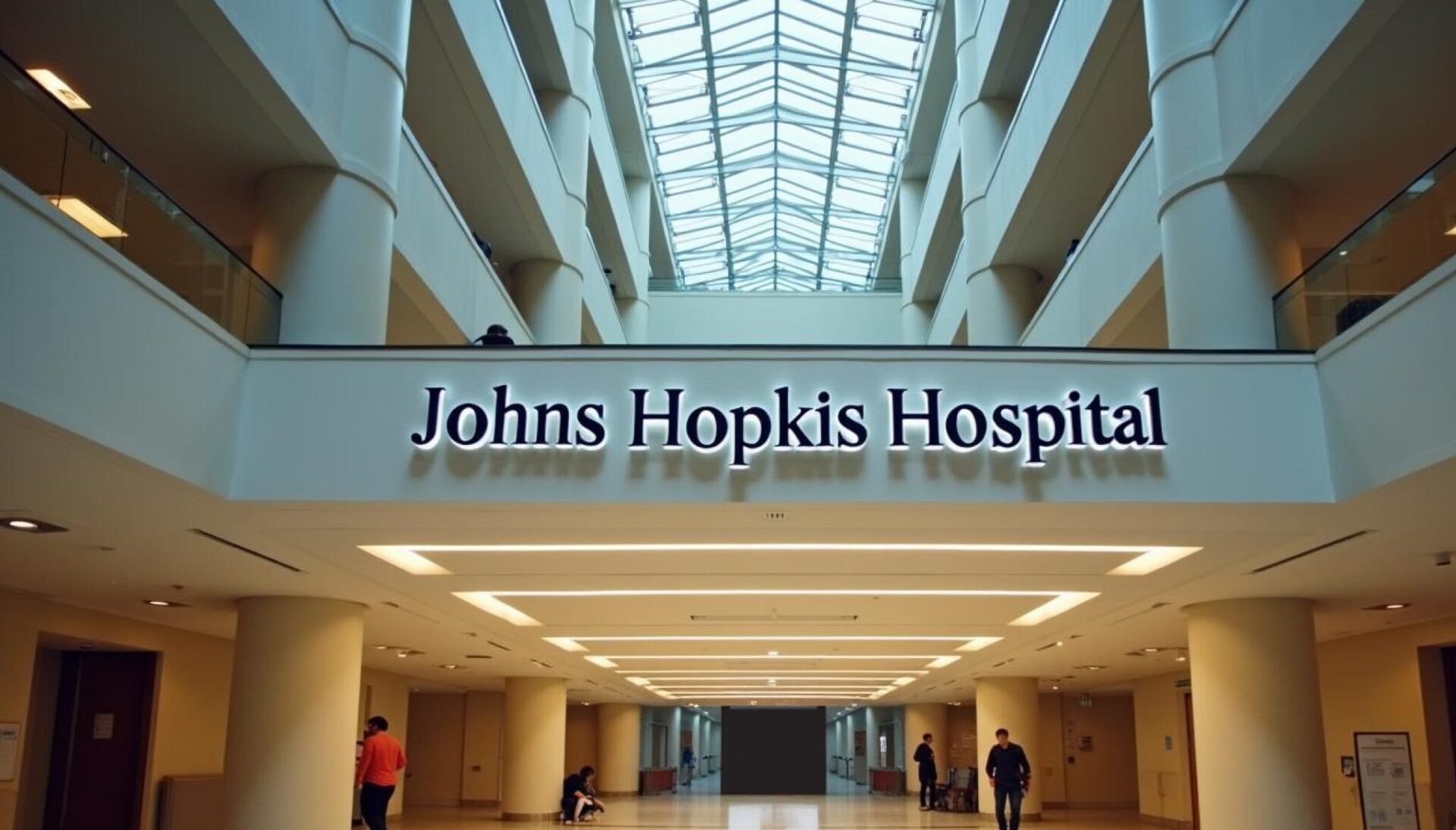
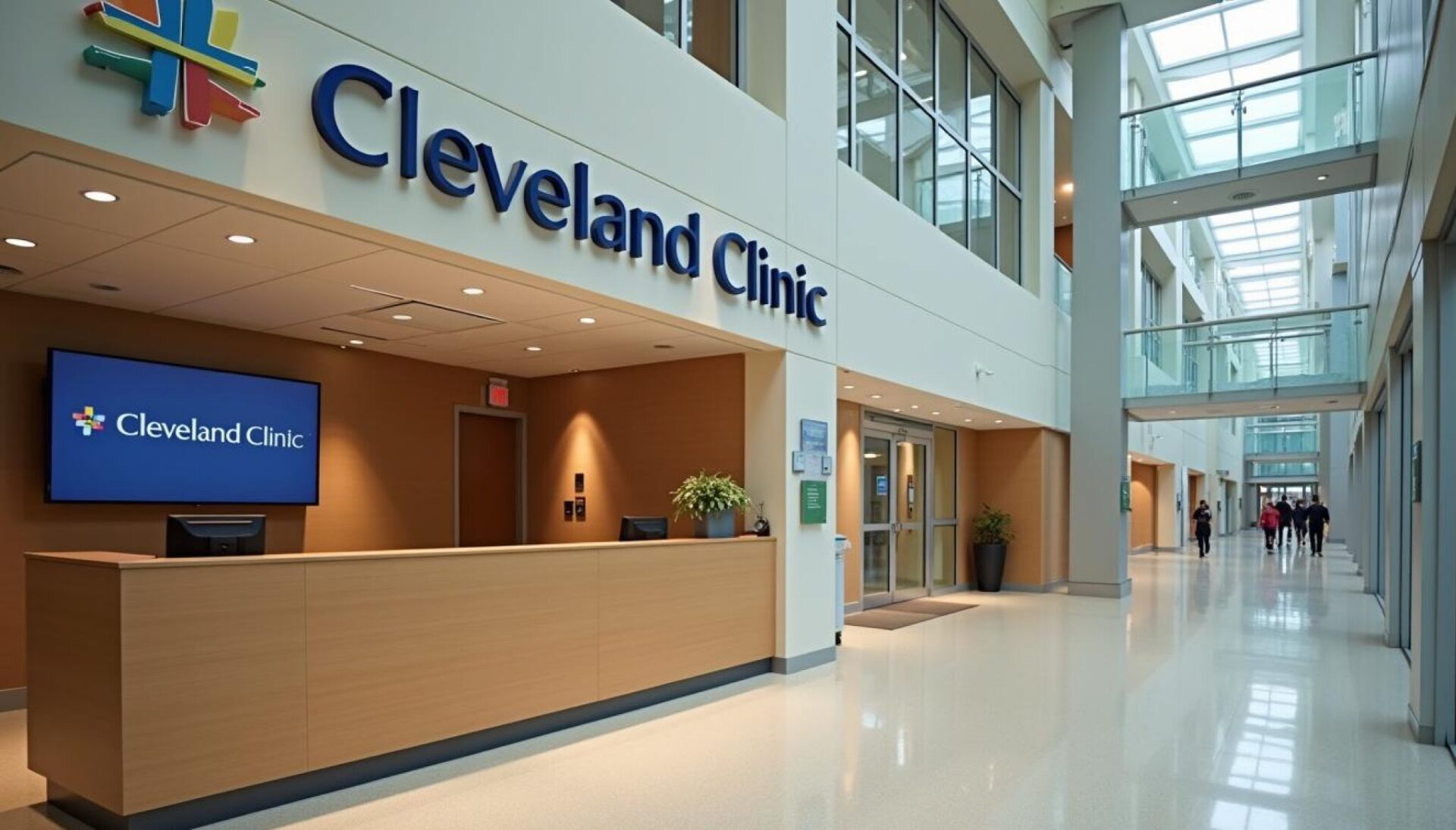
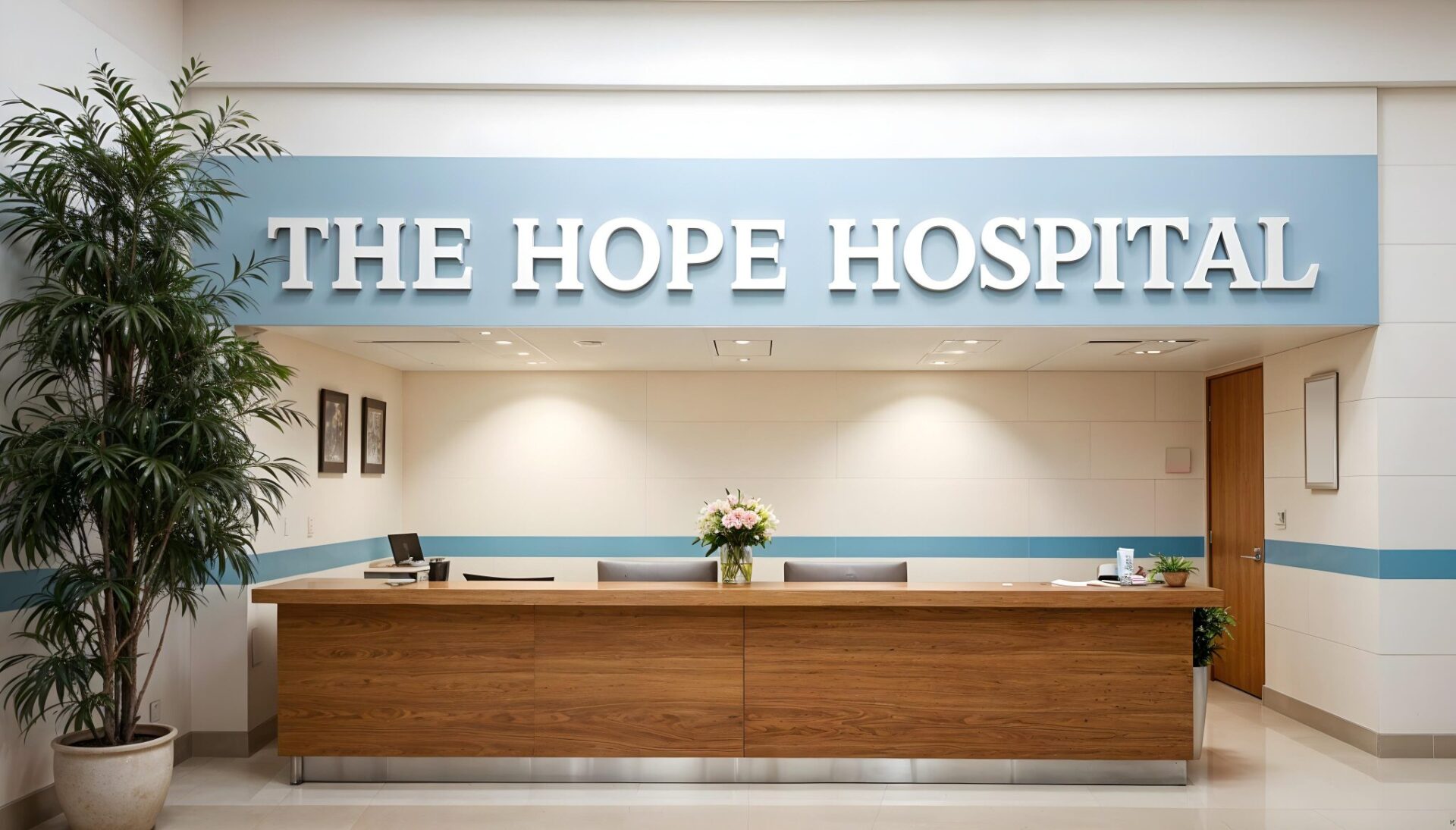
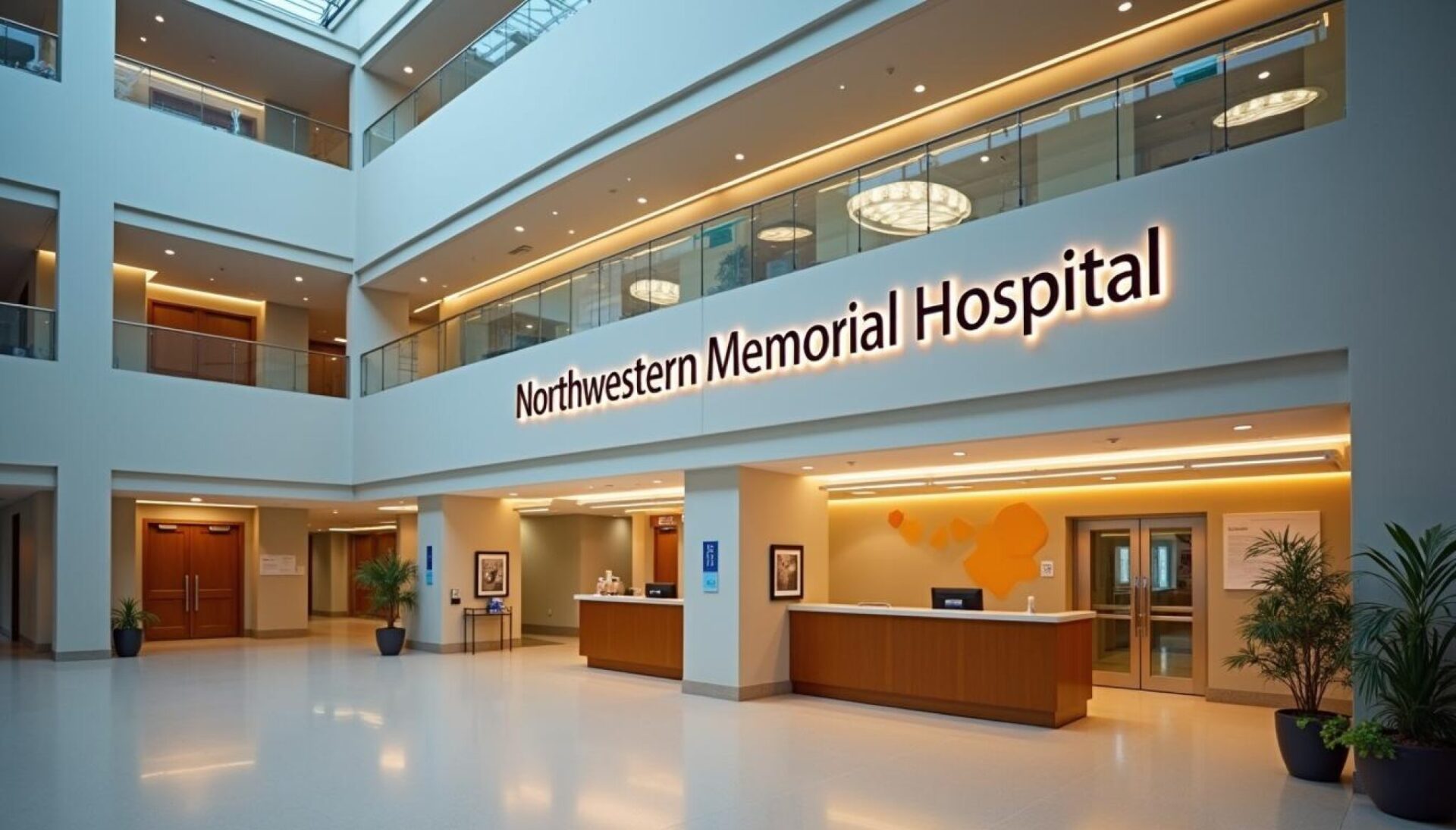
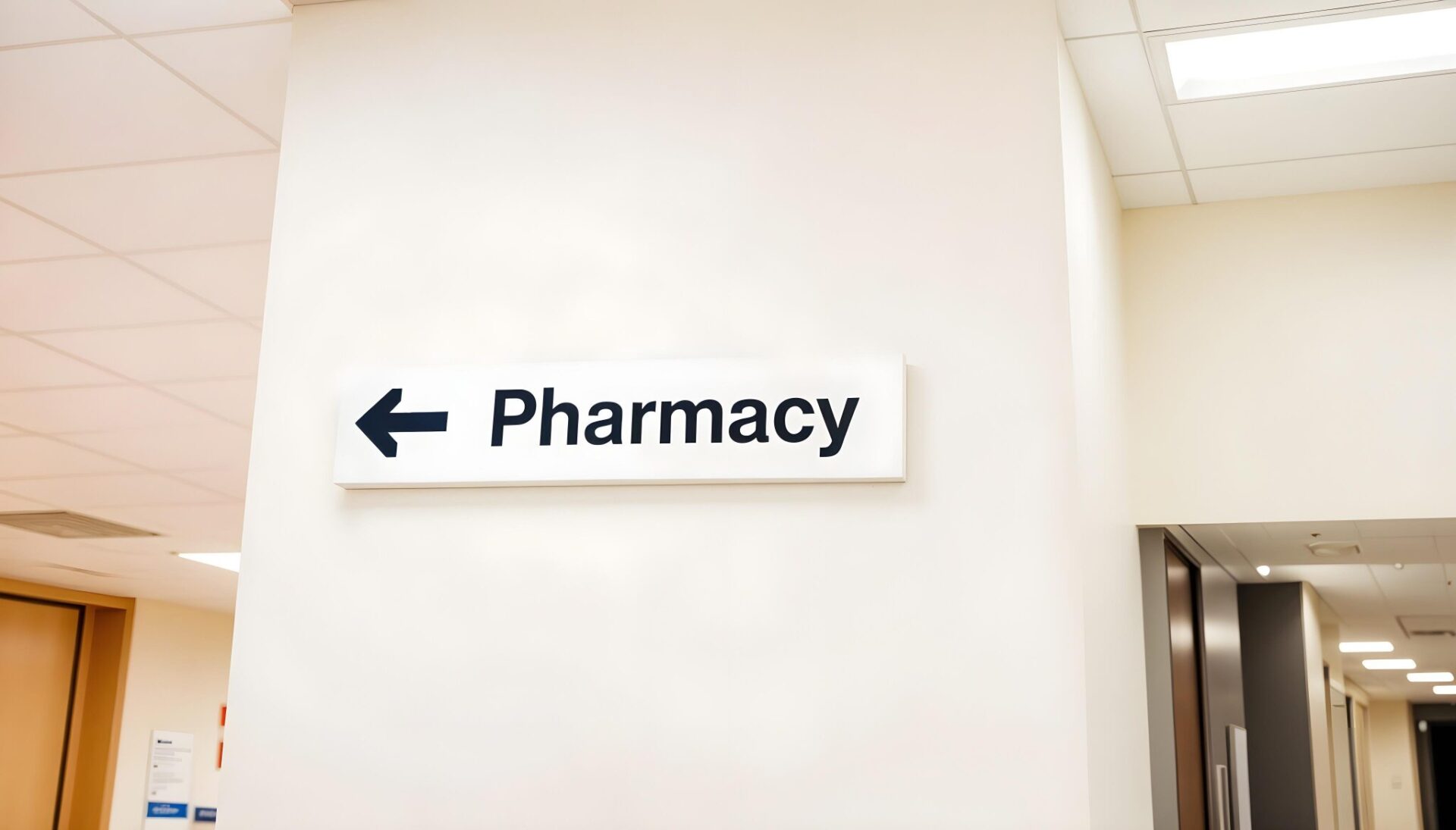
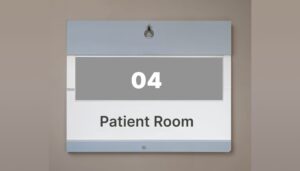
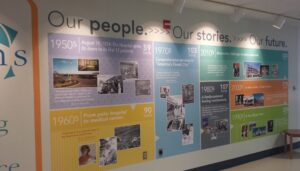

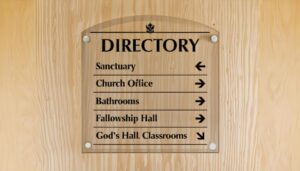
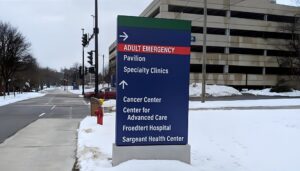
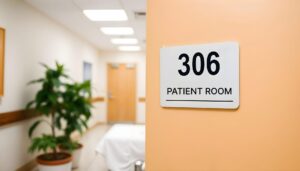
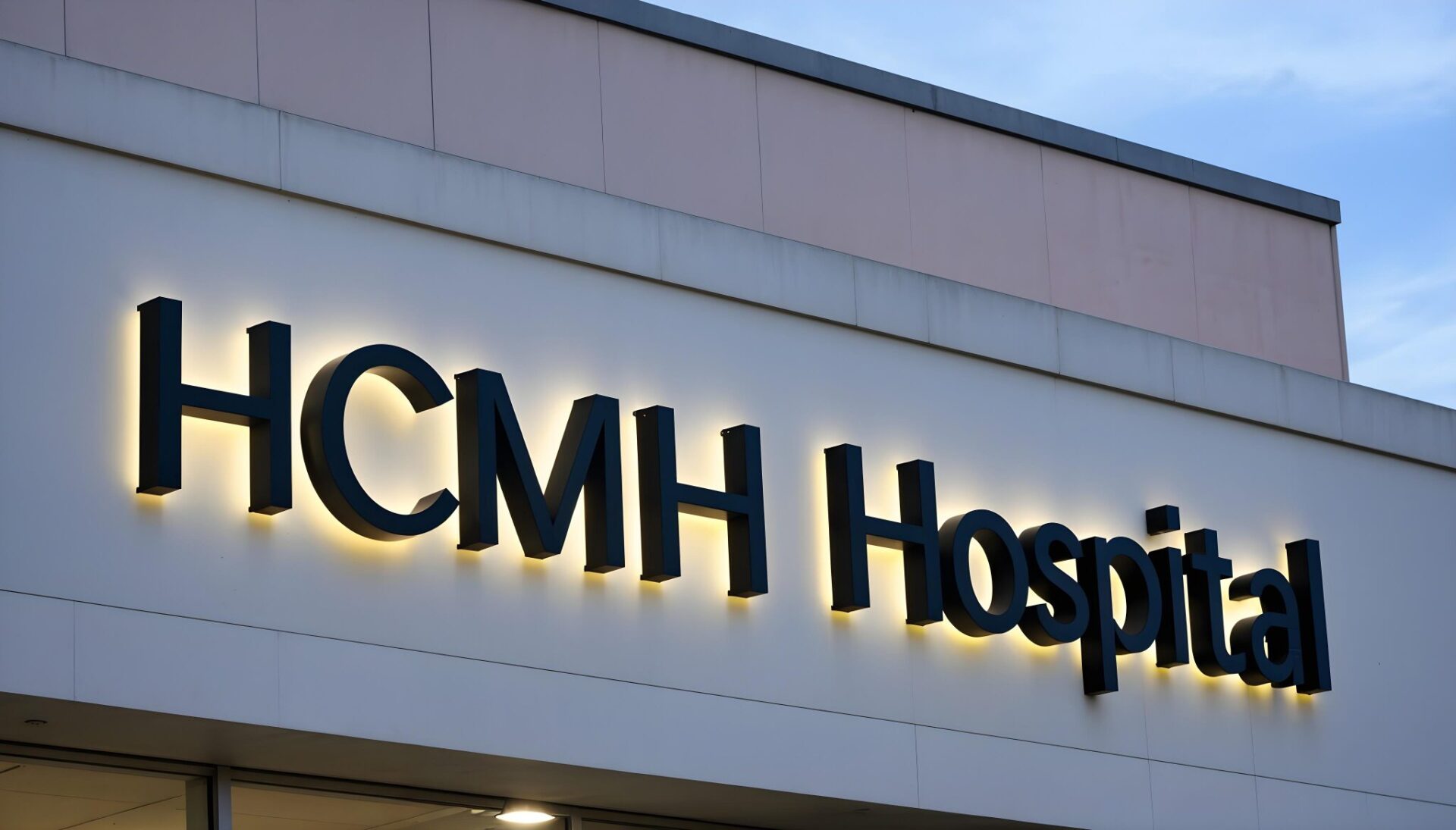
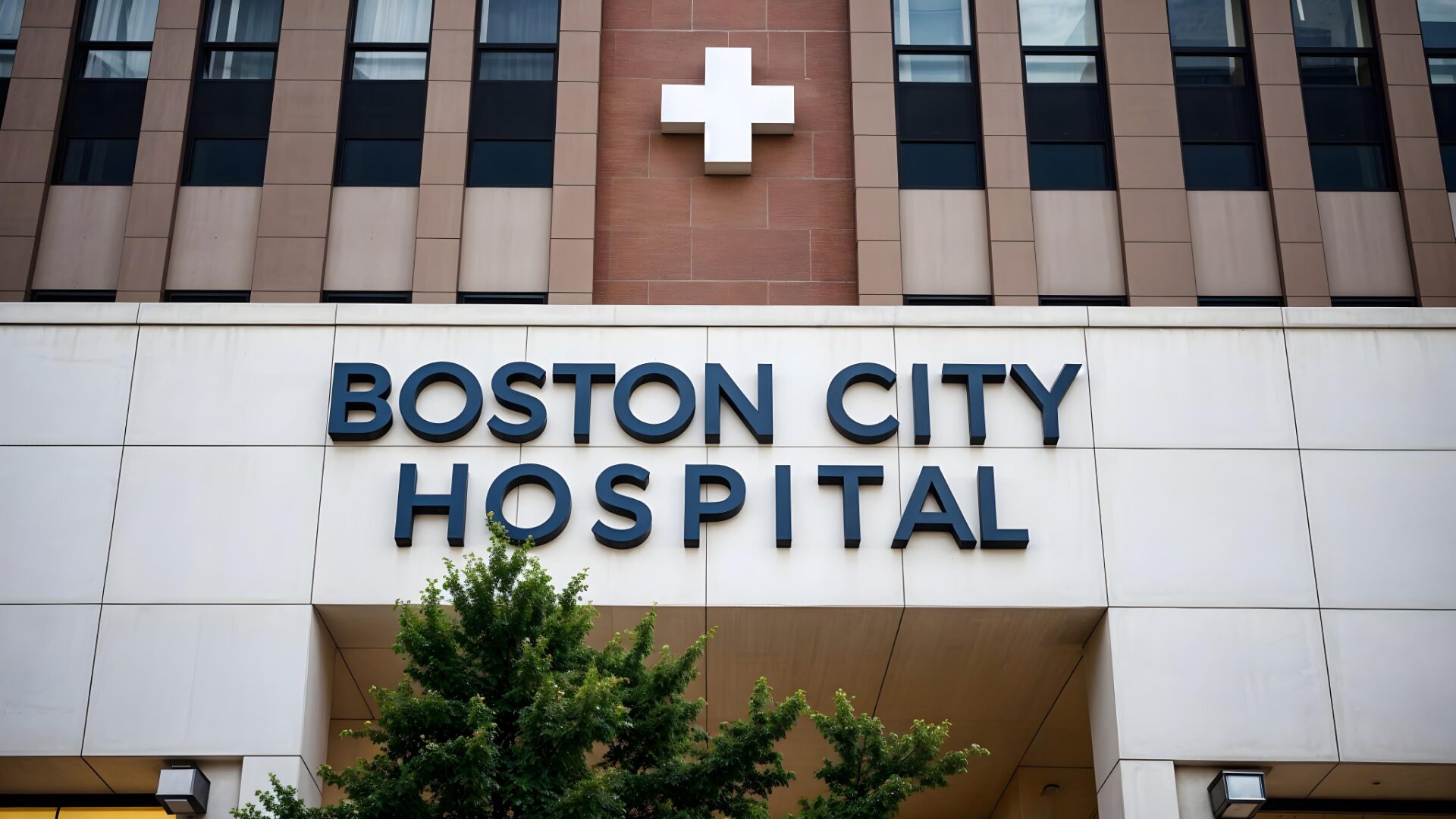
A patient arriving at a hospital or medical campus for the first time, often under stress, needs to find the right entrance quickly. Exterior healthcare signage that is clear and well-placed makes that possible. Signage that is confusing or outdated adds friction at exactly the wrong moment.
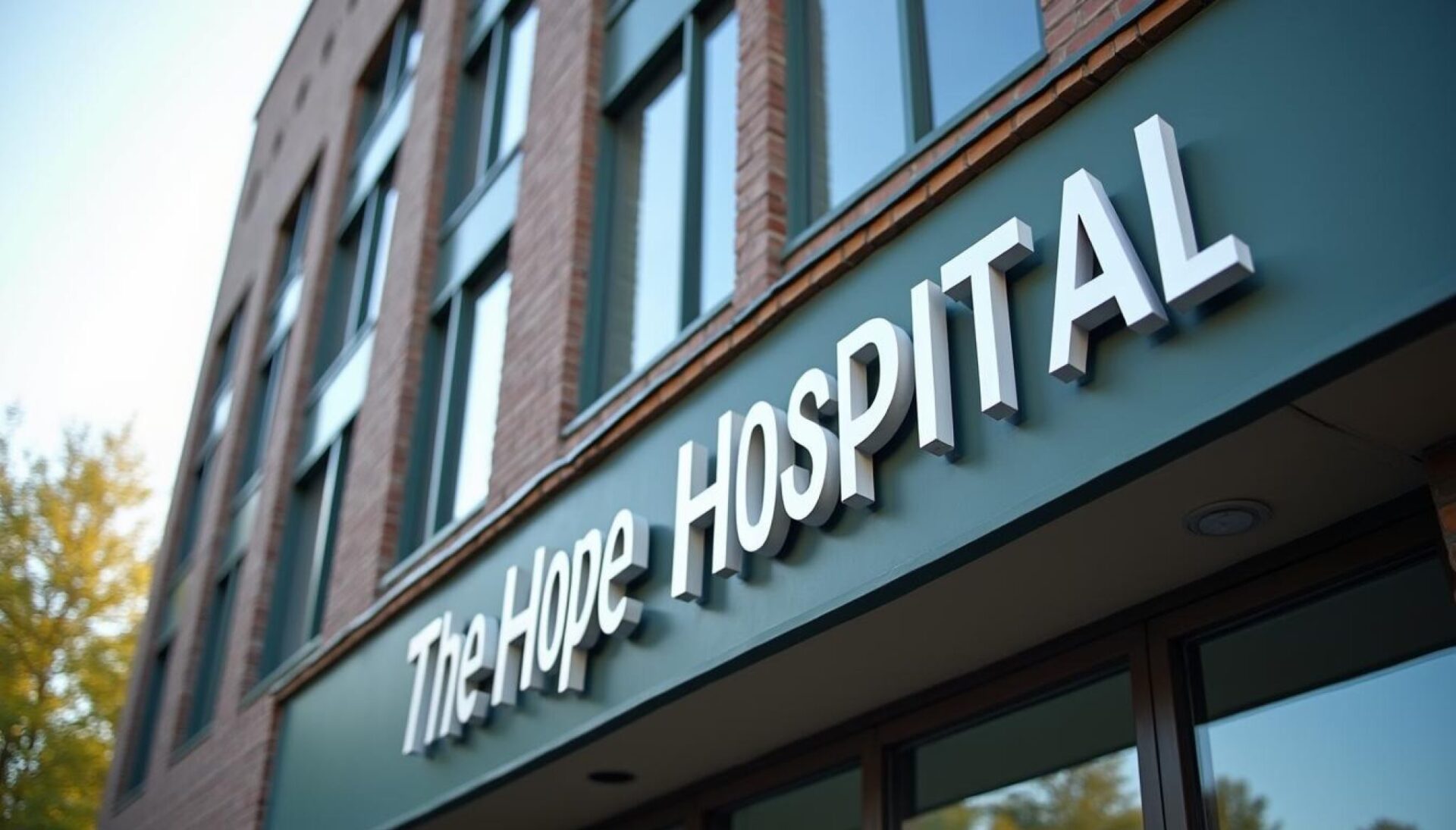
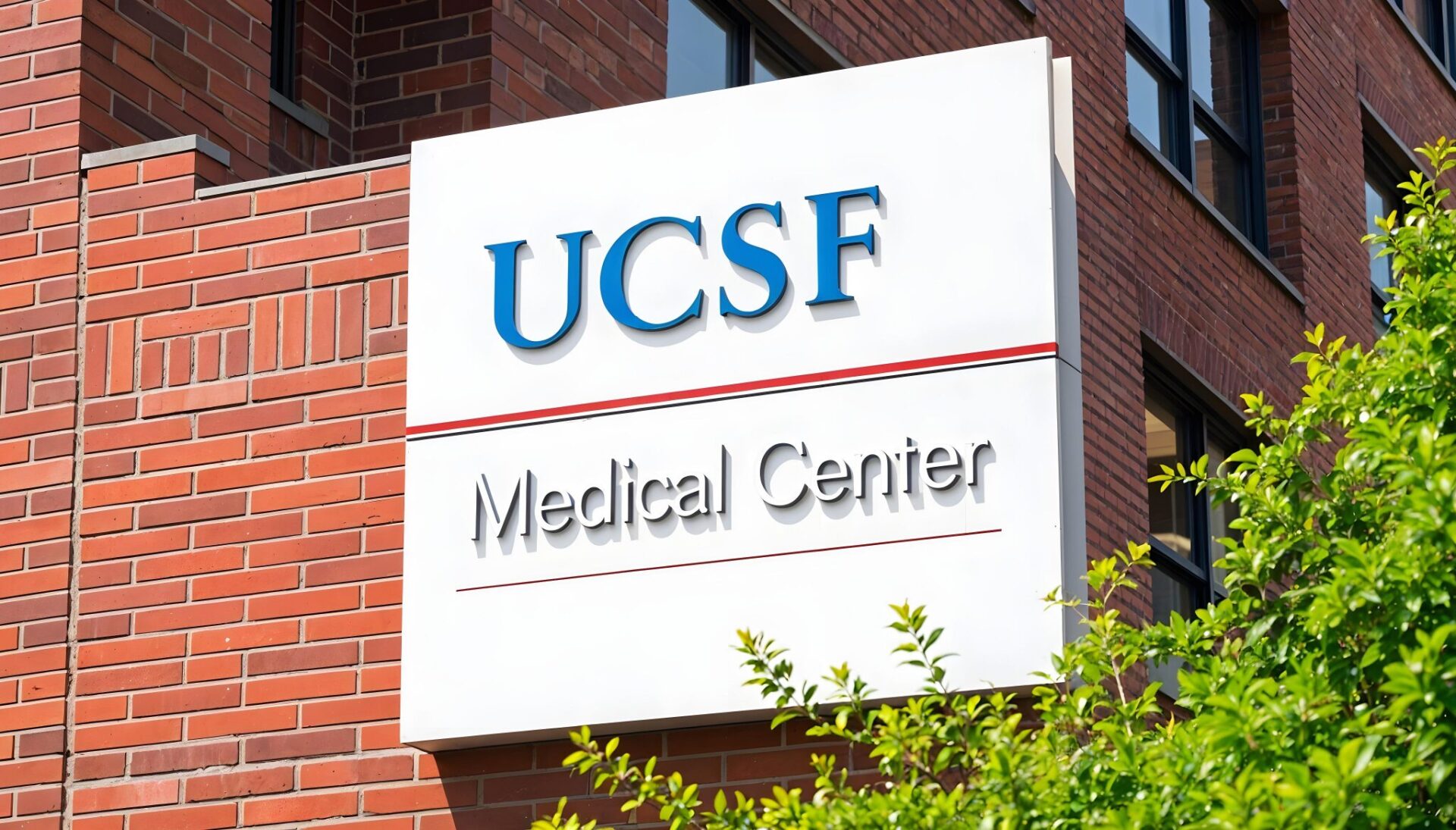
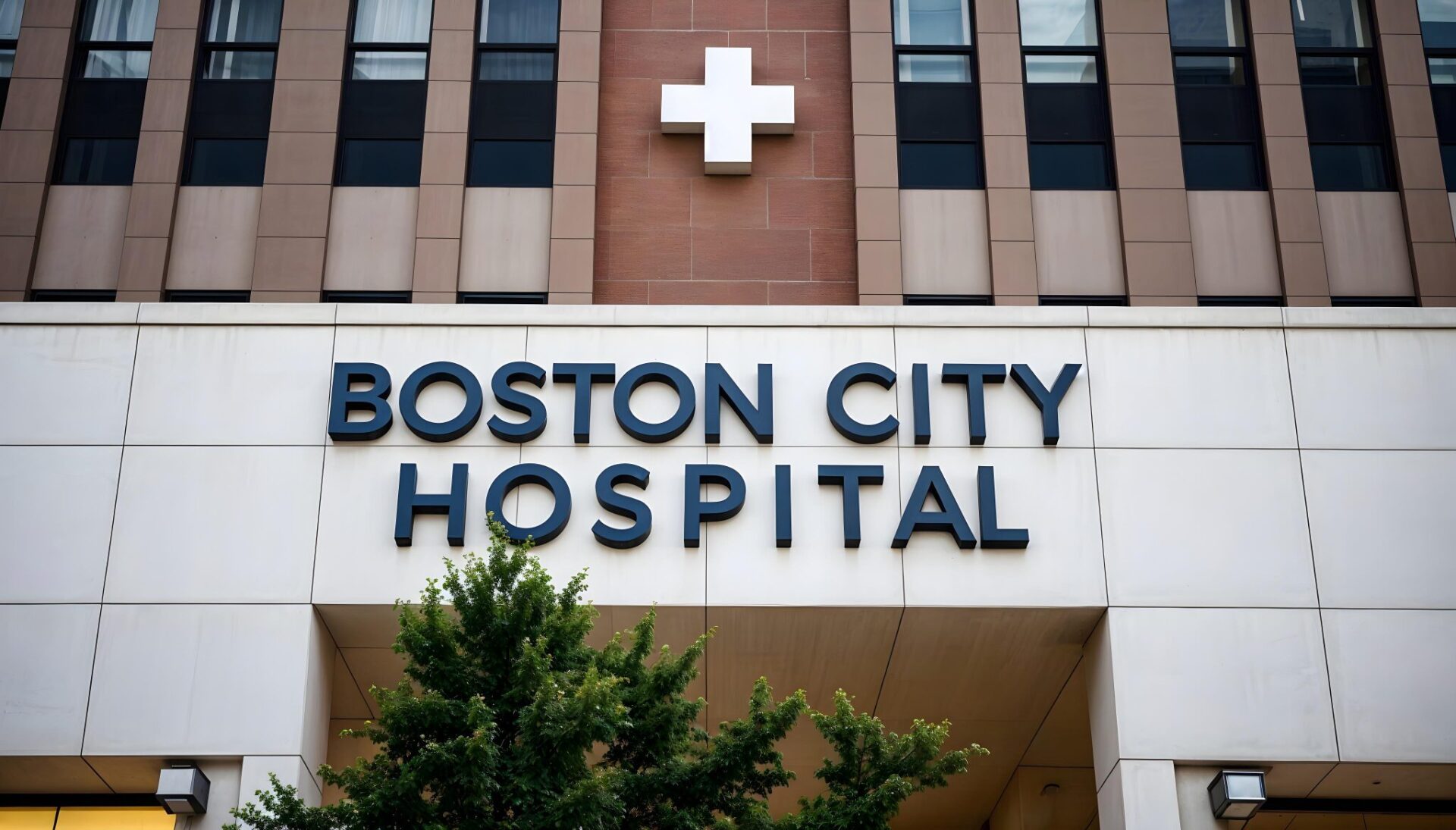
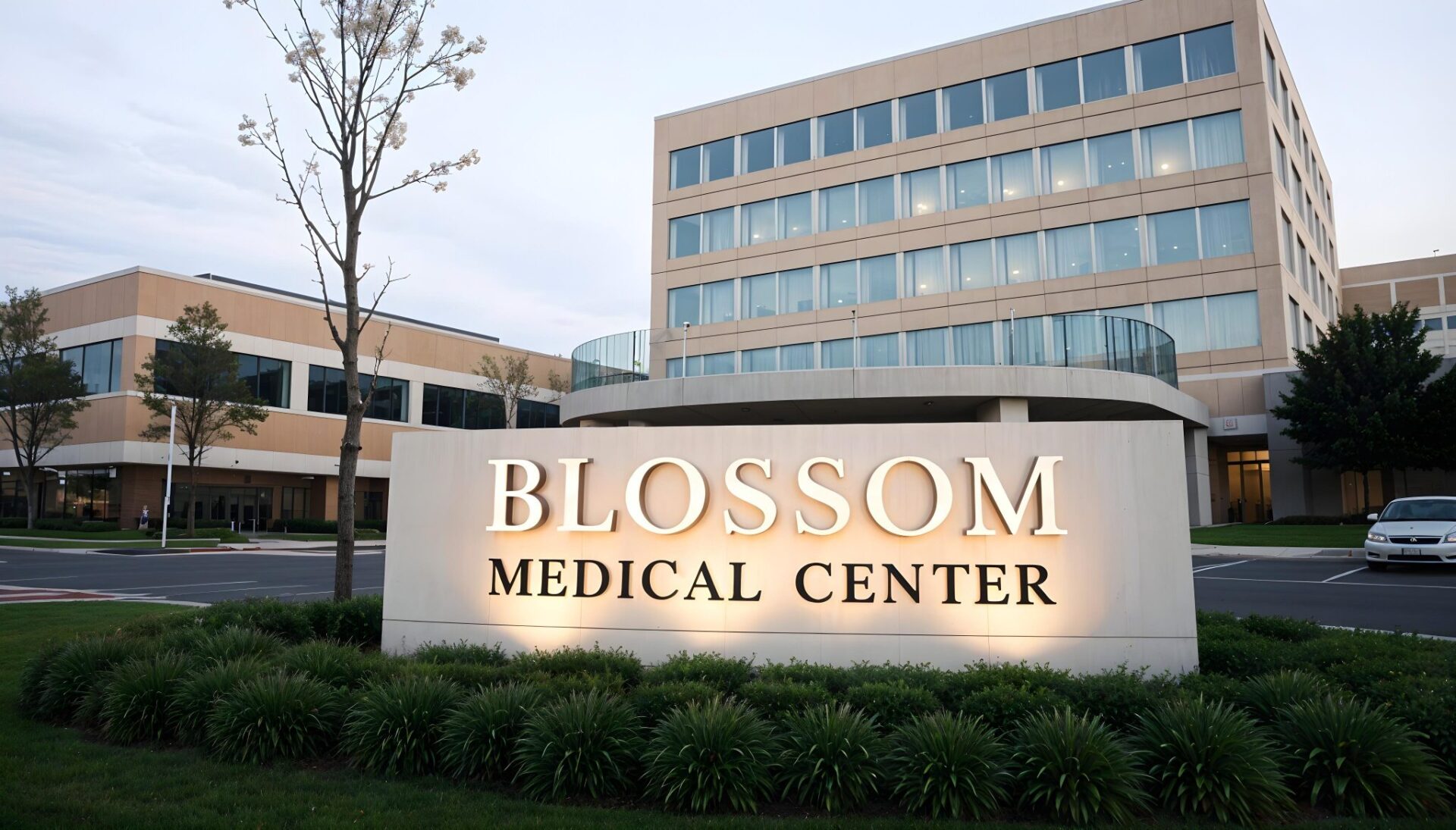
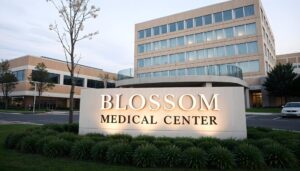
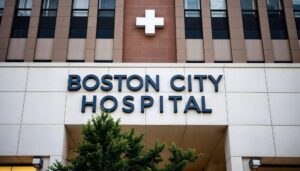
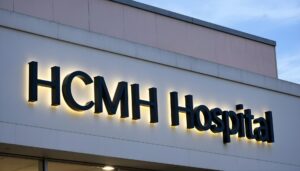

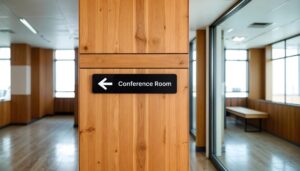

Healthcare facilities face stricter ADA scrutiny than most building types, and the consequences of non-compliance in a medical environment carry more weight than in a typical commercial setting. Room identification signs, restroom signs, elevator signs, stairwell markers, and accessible route signage all need to meet current federal standards for tactile characters, Braille, mounting height, finish contrast, and placement. We design ADA-compliant signage into the project from the start. It is not something we address at the end as a checklist item. In facilities that have grown through multiple phases of renovation and addition, signage from different eras often creates a patchwork of standards. We can assess what is in place, identify the gaps, and give you a clear picture of what full compliance looks like before any work begins.
Digital displays serve specific and practical roles in healthcare facilities that static signs cannot fill.
The waiting room is where patients are most anxious and least occupied. A display showing estimated wait times, health education content, facility announcements, or upcoming service information gives patients something useful while reducing the volume of questions directed at front desk staff. Research consistently shows that visible wait time information reduces perceived wait time and patient frustration.
Digital directory screens at building entrances and elevator banks help visitors orient themselves without stopping at reception. In a large campus, these can be updated immediately when departments move or hours change, without reprinting anything.
Digital displays along heavily trafficked corridors can reinforce wayfinding, display department-specific messaging, or communicate facility-wide announcements. Useful in large hospitals where information needs to reach staff and patients across a wide physical footprint quickly.
Triage queue displays, estimated wait time boards, and patient status screens reduce anxiety in one of the highest-stress environments in any facility. They also reduce the volume of questions the front desk and triage staff have to field during peak periods.
Lobby and waiting room displays running health education content turn idle wait time into a communication opportunity. Preventive care reminders, seasonal health information, and service line promotion can all run on a scheduled rotation without requiring staff involvement once the content is set.
Our healthcare display installations are built and specified for the environments they operate in. Brightness, surface finish, and cabinet design are all selected to meet the practical and hygiene requirements of clinical spaces.
Healthcare signage projects cannot stop the facility. Patients are being seen, staff are on shift, and clinical areas cannot be taken out of service for sign installation. We coordinate every installation schedule with facility management. That means working in phases, scheduling during off-peak hours when needed, and keeping access to clinical areas and patient zones uninterrupted. For larger projects covering multiple buildings or floors, we develop a sequenced installation plan that keeps the project moving without disrupting daily operations. Materials used in clinical environments also matter. We select materials and adhesives appropriate for healthcare settings where surface hygiene requirements and infection control protocols are in effect.
A lot of signage projects stall because nobody knows what's supposed to happen next. Here's how ours runs:
We look at your facility layout, current signage, ADA compliance status, and what you are trying to accomplish. For multi-building or multi-campus health systems, we assess each site before the design phase starts.
You see what the sign will actually look like before anything gets fabricated. Placement, scale, and materials are shown in the context of your actual facility.
Everything is built in our own facilities. We are not outsourcing to a third party and hoping the spec comes back right.
Our crews handle installation using certified installers with the right equipment and insurance for the job. Installation is coordinated around your facility's operational schedule.
We don't disappear after the truck leaves. If something needs adjusting, or you are opening a new location and need to match existing signage, you are working with the same team.
Healthcare signage projects come with specific requirements that not every sign company is set up to handle. ADA compliance, infection control considerations during installation, coordination with facility management, and brand standards that often span multiple locations. These are things we deal with regularly. We have been in this business for over 30 years and have completed more than 1,000 projects. We handle design, permitting, fabrication, and installation. With 12 locations across the country, we have teams close to most project sites. If you are updating a single clinic or rolling out consistent signage across a health system with multiple locations, we have handled both.
Custom healthcare signage designed to comfort patients, guide visitors, and support smooth, dignified care in hospitals and clinics.

Oct 16, 2026
Oct 15, 2026

Oct 15, 2026
Interior signage, including reception, branded wayfinding, recognition displays, environmental graphics, directories, directional signs, room IDs, and digital displays. Exterior signage including monument signs, channel letters, dimensional letters, identification signs, directional signs, and parking signs.
Yes. Healthcare organizations often have strict brand guidelines, especially when signage needs to be consistent across multiple facilities. We work within those standards from the start.
Yes. If you need consistent signage across several clinics, buildings, or campuses, we can coordinate that. Keeping things consistent across locations is something we have done many times for healthcare clients.
We coordinate with facility management on scheduling so installation causes as little disruption as possible to daily operations. For larger projects, we phase the installation and work around peak hours and clinical access requirements.
Yes. Multi-state health system programs are something we have coordinated before. We assign a dedicated project contact who manages the full scope, so your facilities team is not managing a separate vendor relationship at every location.
A signage audit is usually the right first step. We assess what is in place across the facility. identify ADA compliance gaps and inconsistencies and give you a clear picture of what a cohesive sign system looks like before any budget is committed.
Yes. We work across the full spectrum of healthcare facility types, from large hospital campuses to small specialty clinics. The scope differs, but the process and standards are the same.
Yes, and there is solid evidence behind it. Visible wait time information consistently reduces perceived wait time even when the actual wait does not change. Patients who know what to expect are measurably less frustrated than patients sitting in silence with no information. It is one of the higher-impact changes a waiting area can make.
We select materials and adhesives appropriate for healthcare settings with infection control requirements. This is part of our standard specification process for healthcare projects, not something we address after the fact.

Whether you are planning a single installation or a multi-location custom signage solutions program, our team will respond within 24 hours with a clear next step and no obligation. Tell us about your project, and a specialist will get back to you directly.
Our sales team will respond within 24 hours.
Tell us about your project and a specialist will get back to you within 24 hours.
Thanks for reaching out. A United Signs specialist will contact you within 24 hours.
Get a response in 24 hours