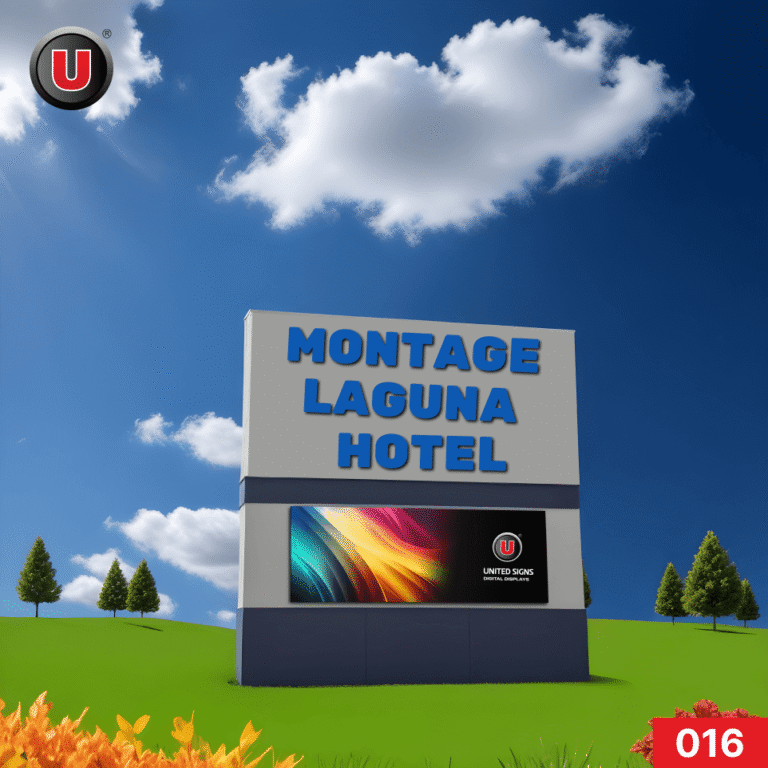
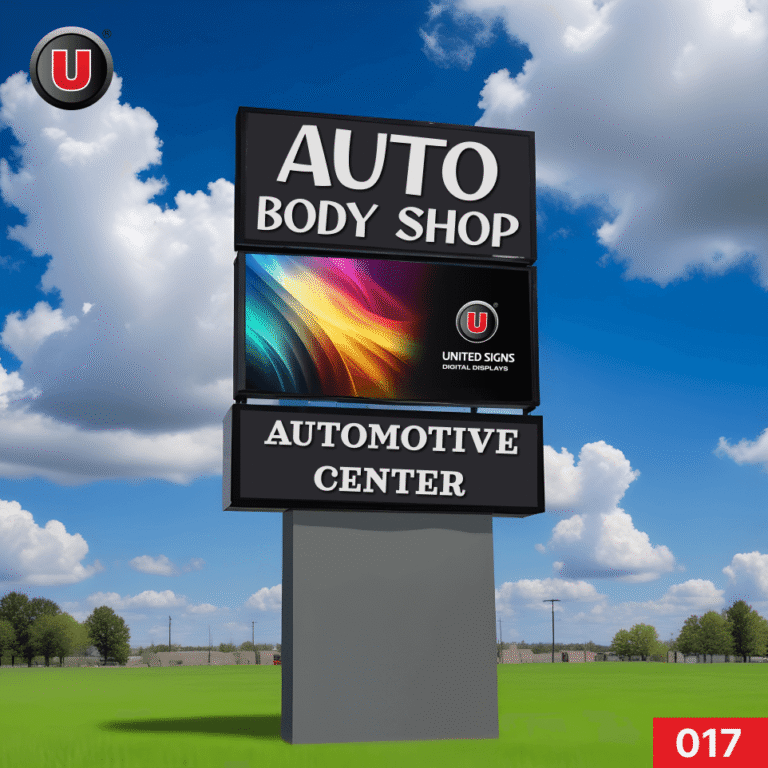
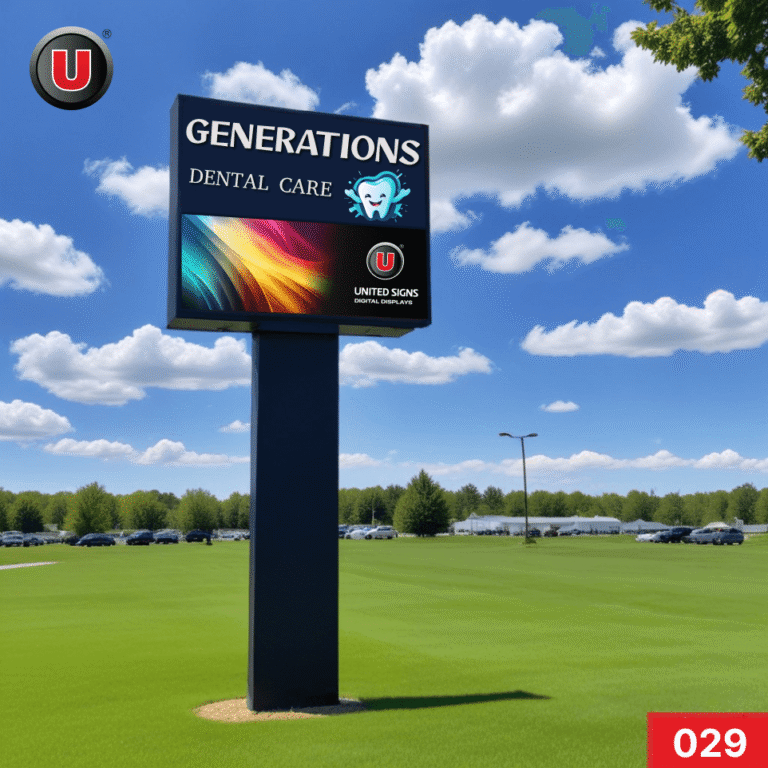
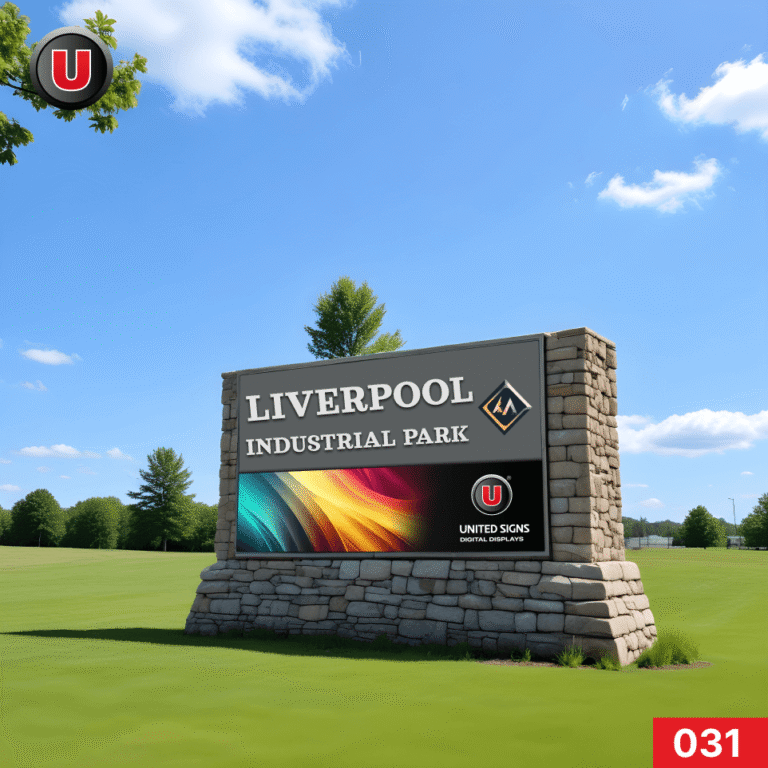
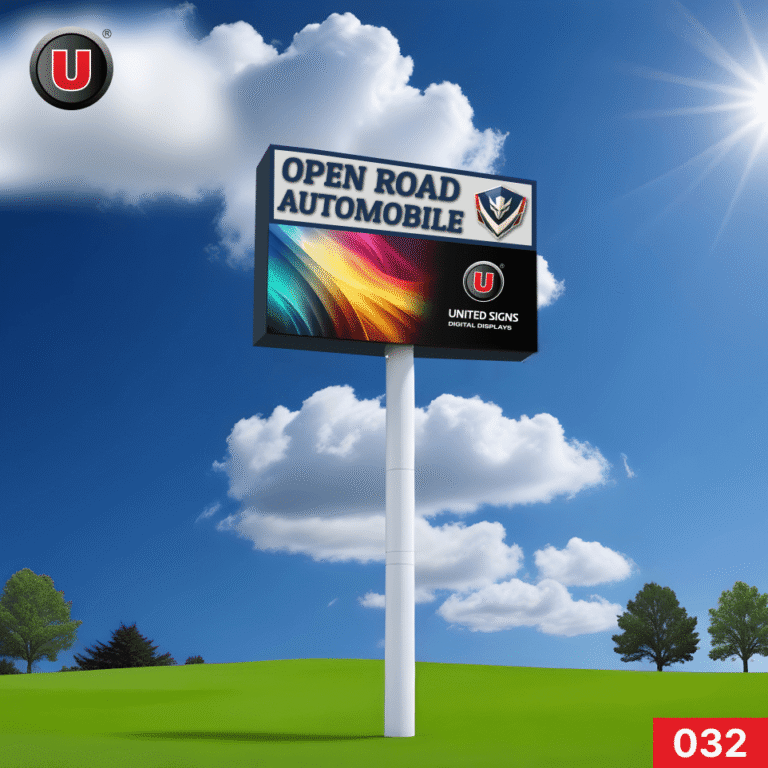
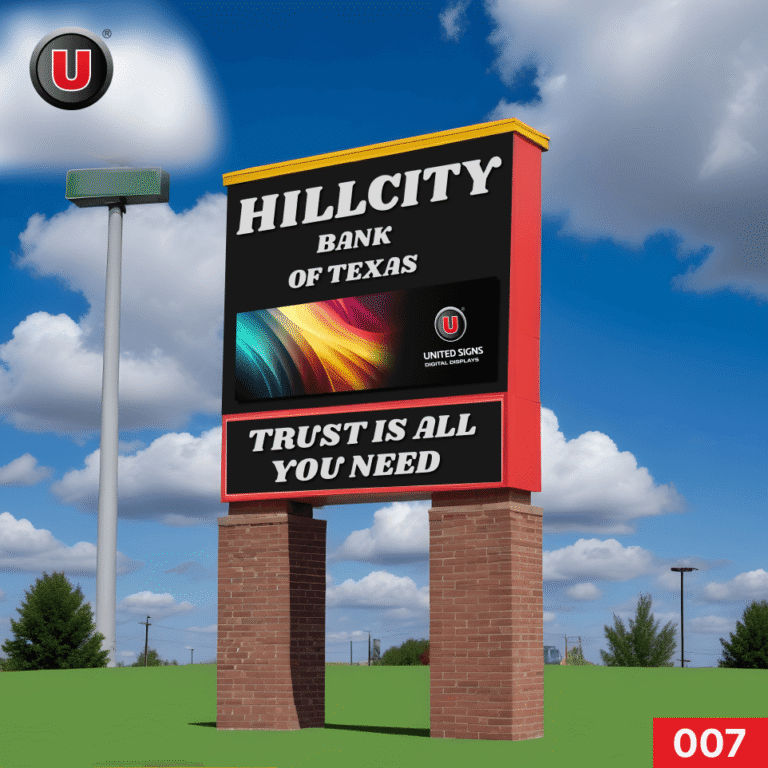
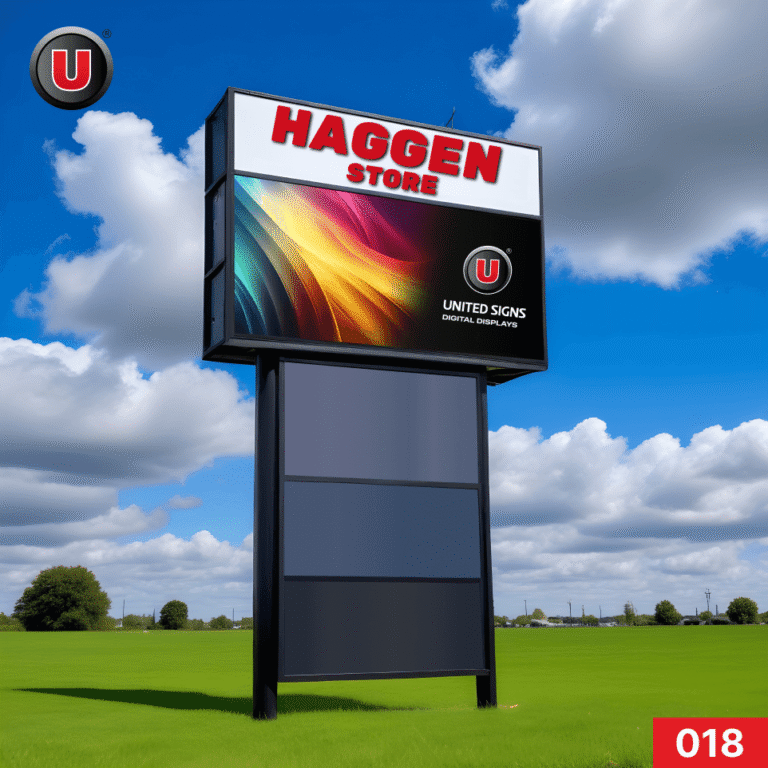
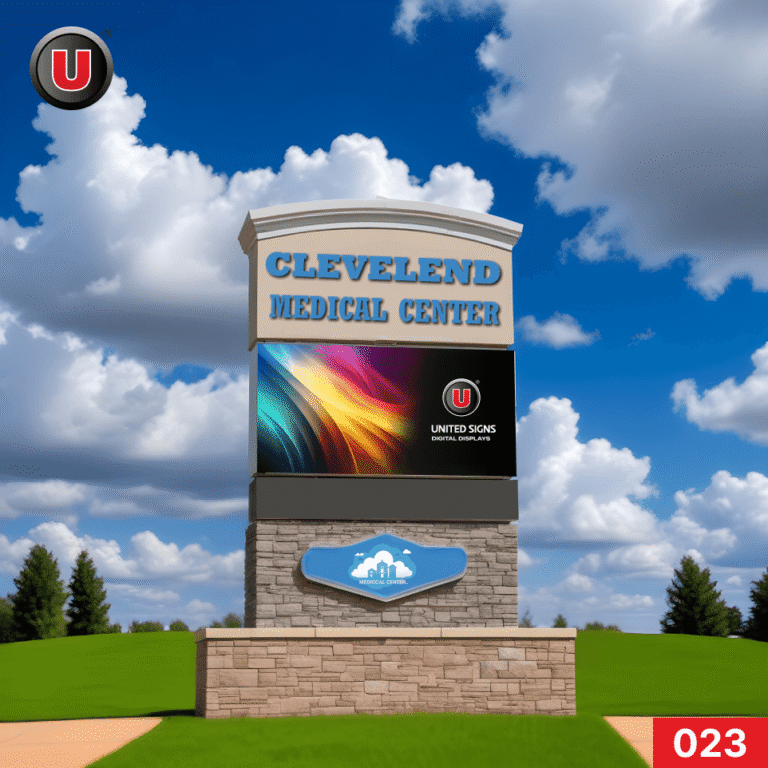
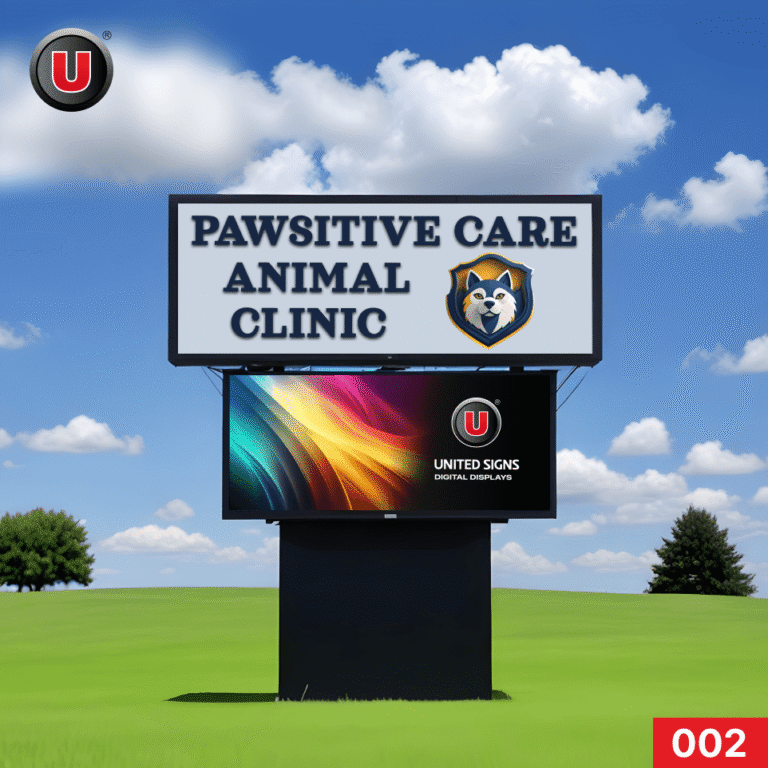
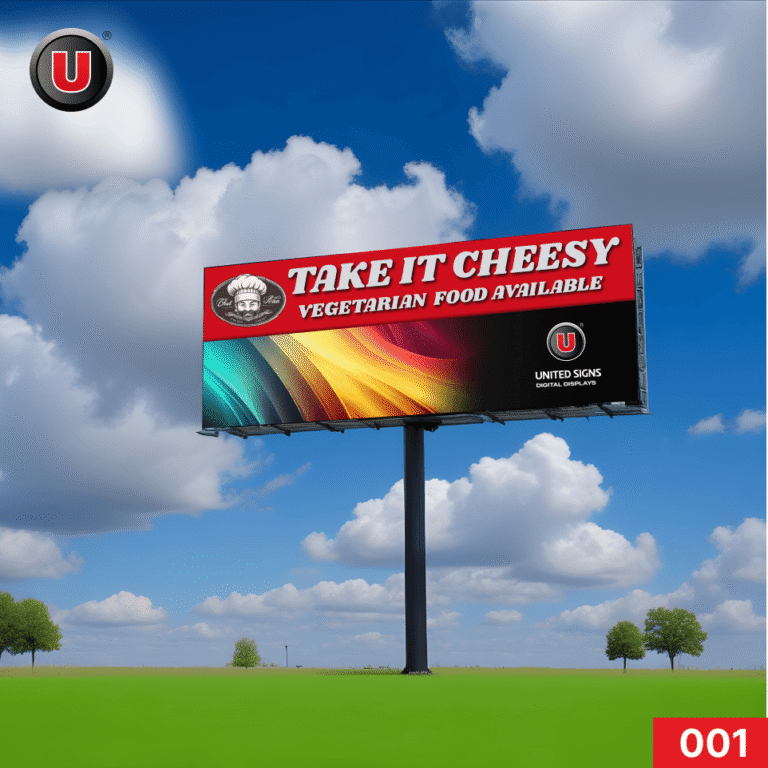
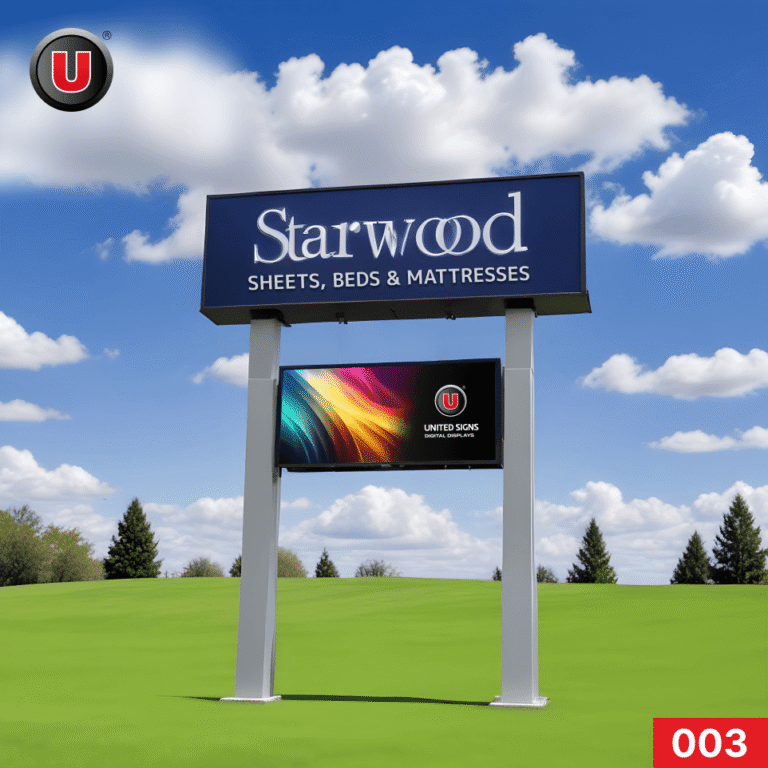
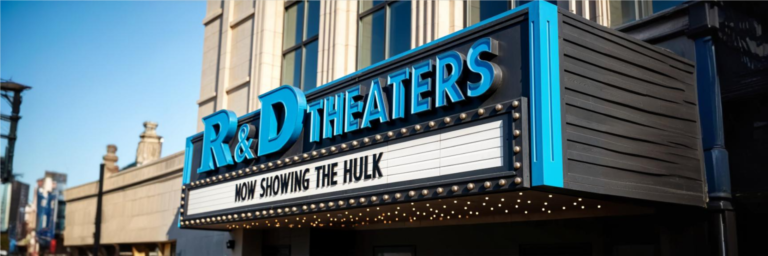
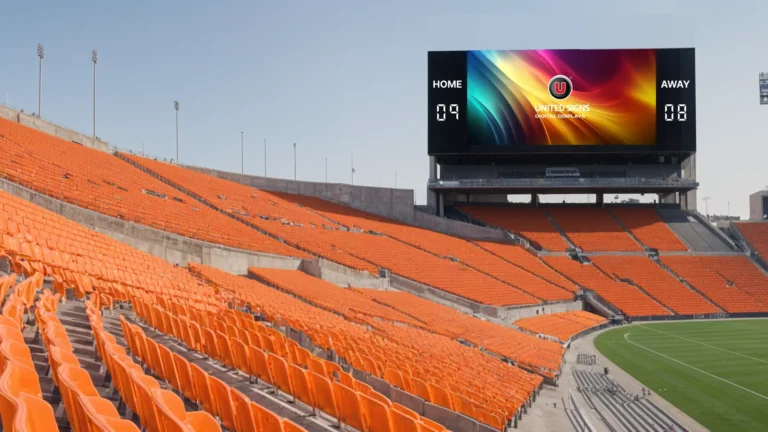
United Signs designs and installs retail signage for stores, shopping centers, and retail businesses. Interior and exterior included.
Shop Now
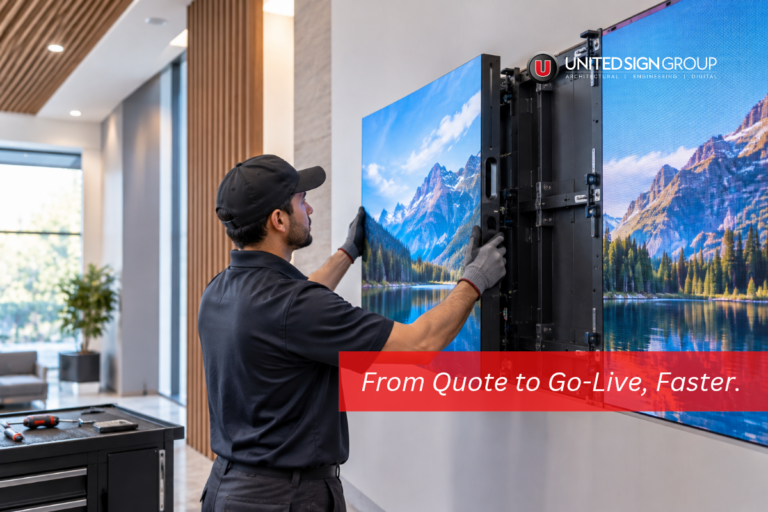
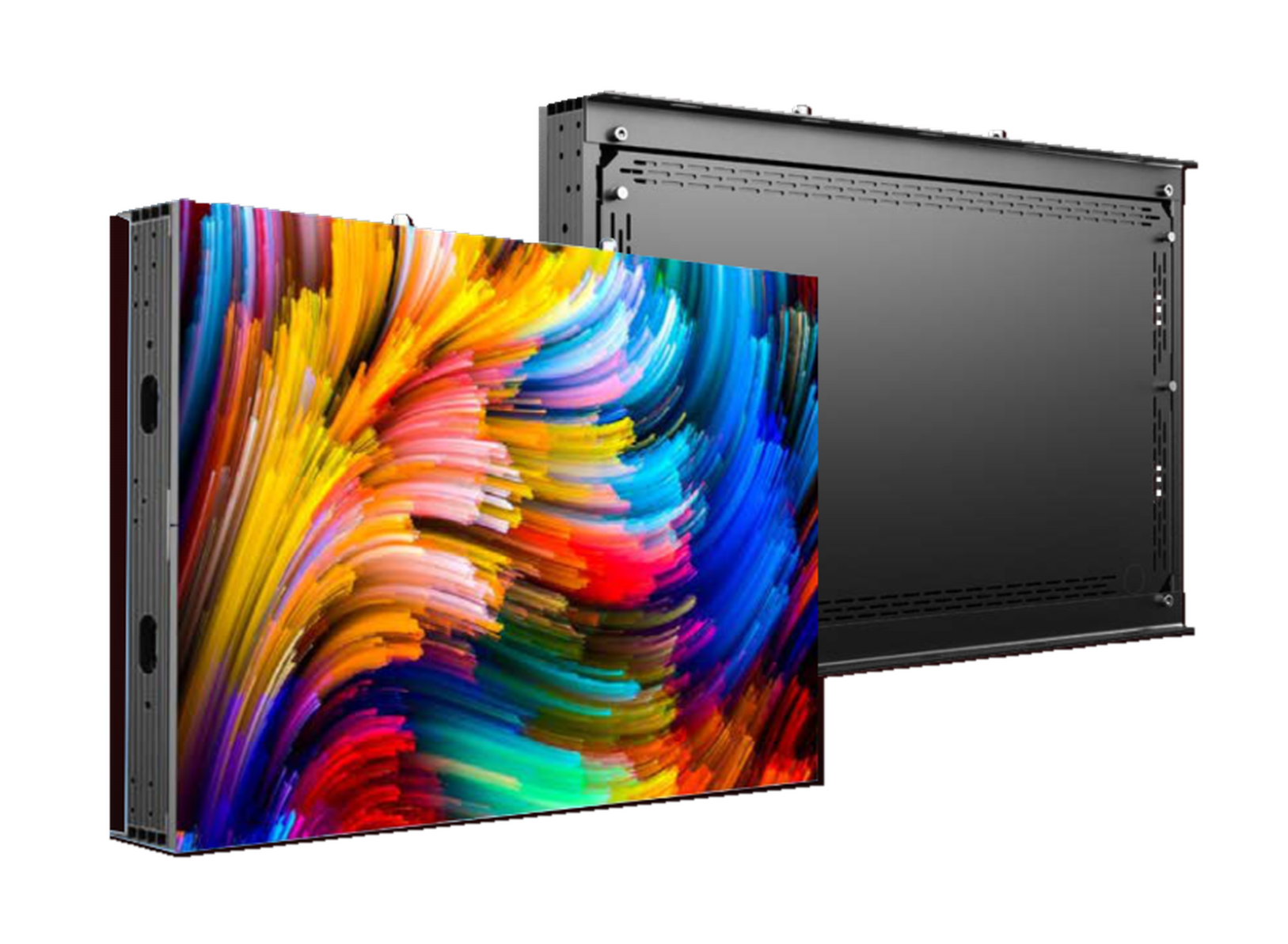
United Signs uses only the best LEDs to guarantee the highest image quality, unified illumination, color, and power efficiency.

We aspire to build the most reliable and consistent LED displays that meet your specific design and technical requirements.
United Signs offers user-friendly technology that helps clients produce stimulating content experiences.
United Signs is here to assist. We provide installation and training support by phone, online, or in person with our local sales teams.
A retail environment is not just a storefront and a checkout counter. Shoppers, browsers, first-time visitors, and regulars all move through the same space looking for different things. Here's every touchpoint we cover:
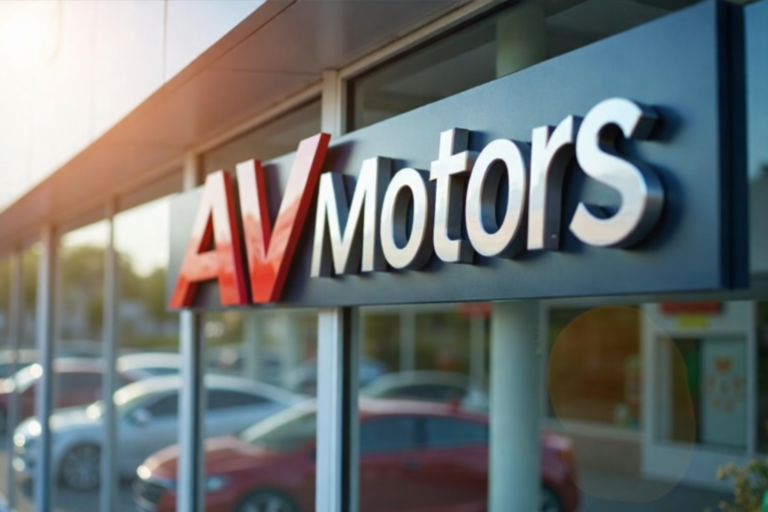
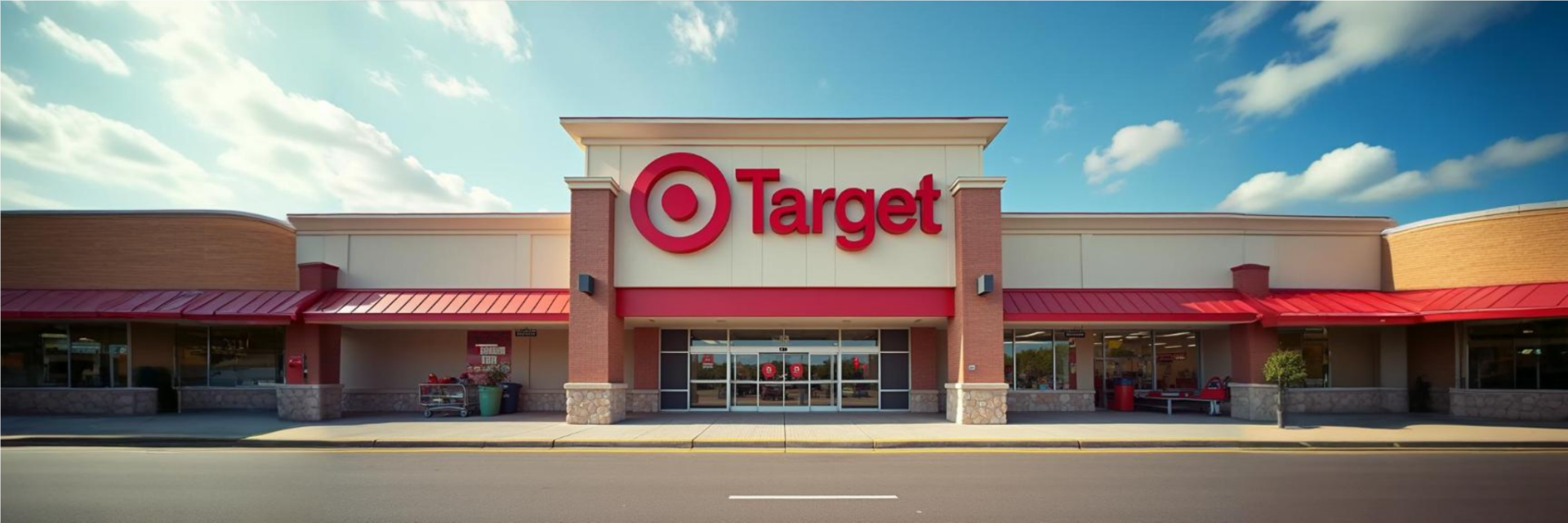
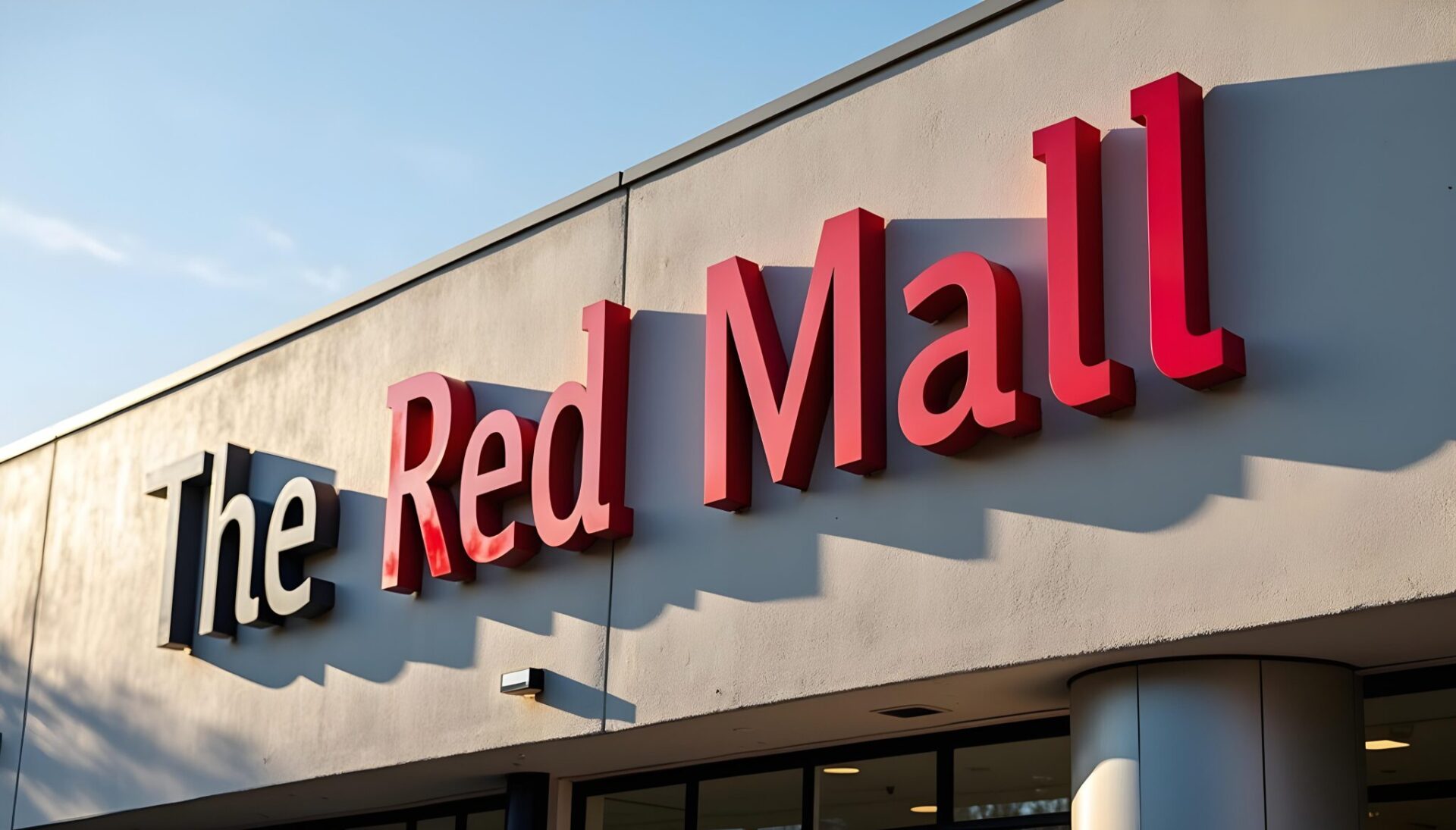
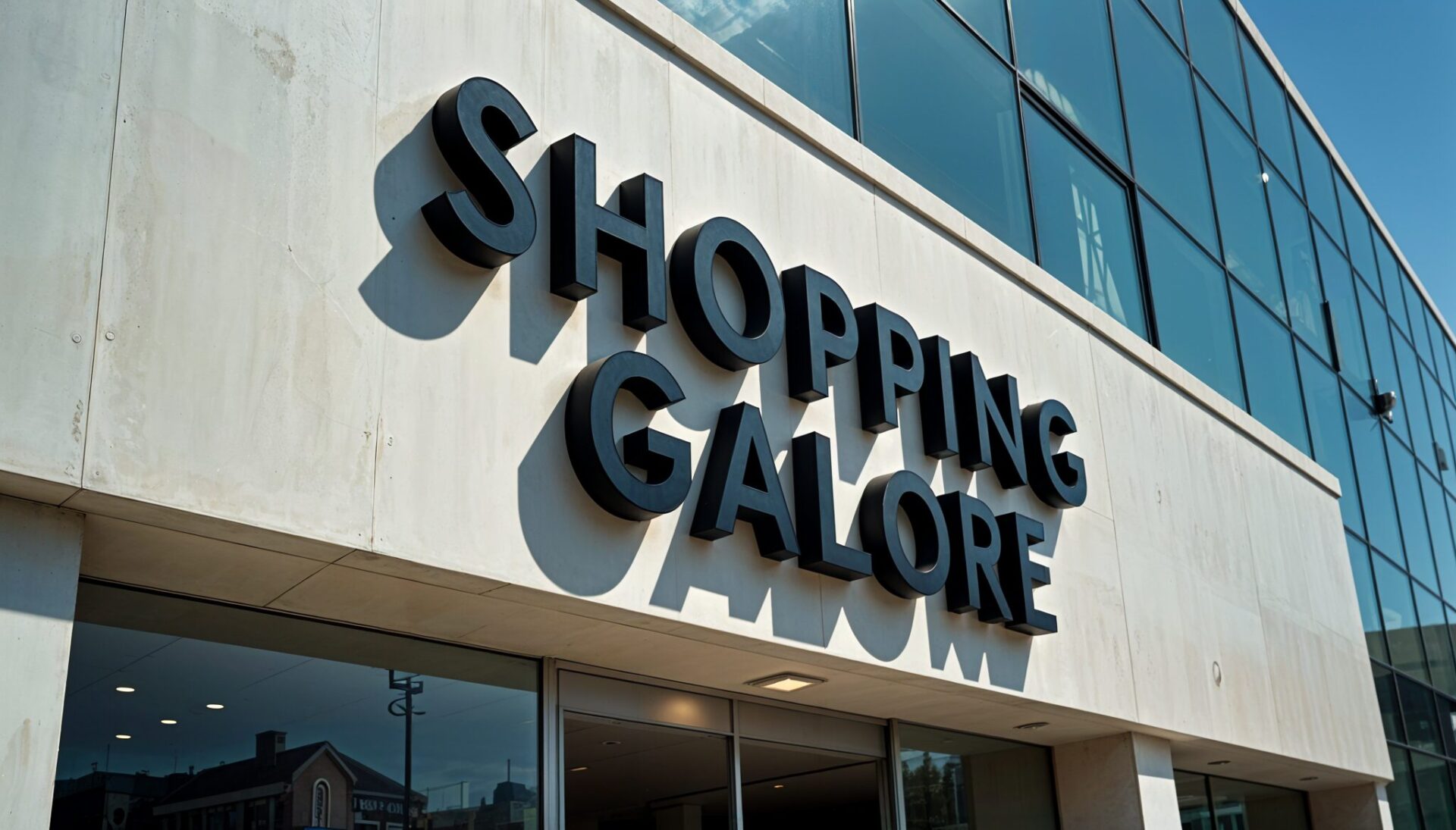
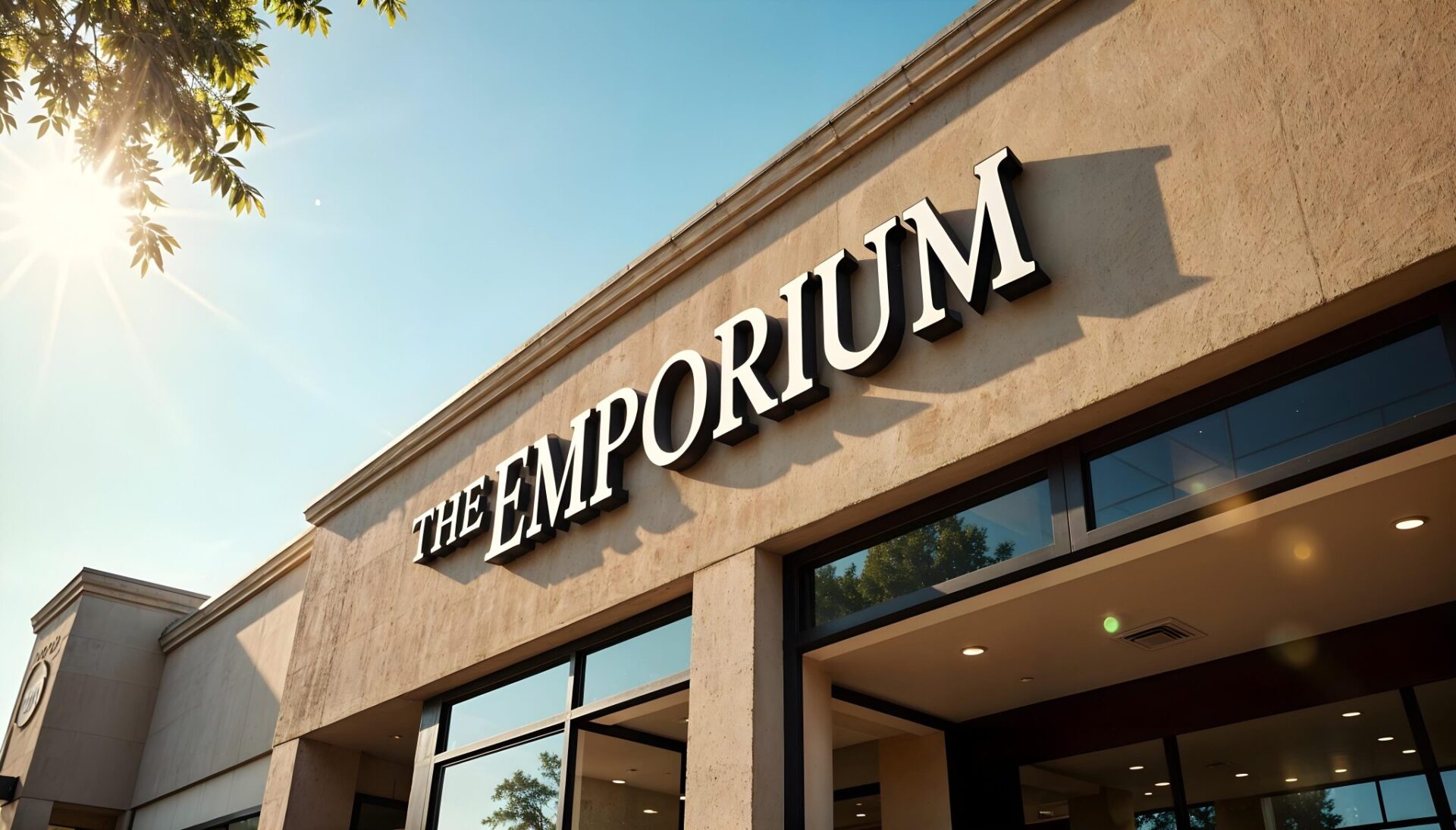
Channel letters, dimensional letters, and illuminated signage on the building face. This is the first thing a passing shopper sees and the one sign that works around the clock whether the store is open or not.
Window graphics promoting current campaigns, seasonal offers, or new arrivals. One of the most underused sign locations in retail. The glass is already there and it faces exactly the people you are trying to reach.
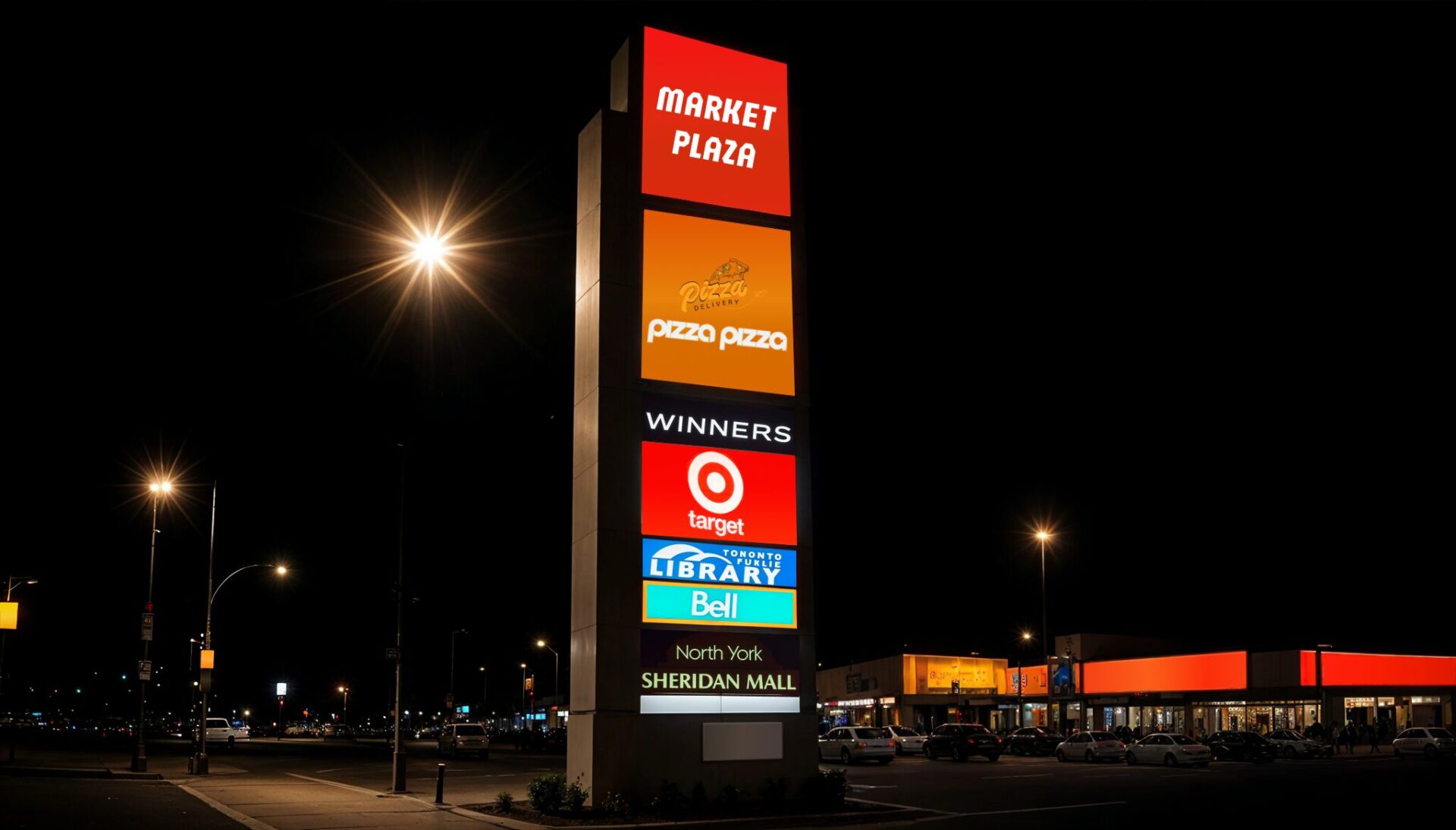
Tenant identification signs, directory listings, and blade signs for enclosed malls and open-air centers. These need to meet landlord and shopping center specifications while still standing out from neighboring tenants.
Entry identification and hours signage. A shopper who is not sure if the store is open has already made a decision before they reach the door.
Overhead department markers, category signs, and aisle identification. The easier it is to find what someone came for, the longer they stay and the more they consider buying.
Signs that draw attention to specific products, new arrivals, bestsellers, or featured items. When a product is signed well at the point of decision, it sells better. That is not an opinion, it is a consistent finding in retail environments.
Sale zones, clearance sections, and seasonal displays. These areas change frequently and the signage needs to be easy to swap without a full reprinting process each time.
Return policies, loyalty programs, payment method signage, and add-on offers. Customers standing in the checkout line are stationary and have nothing else to look at. That is an opportunity most retailers leave empty.
Room identification, capacity signage, and service counter labels. Small details that contribute to how organized and well-managed the store feels.
Most retailers revisit signage during a remodel or when a store opening forces the conversation. Here's what's at stake between those moments:
Someone walking or driving past makes a split-second decision about whether your store is worth stopping at. The quality and clarity of your exterior signage is a direct input into that decision. A storefront that looks current and well-presented pulls people in that a faded or generic one will not.
Shoppers who can navigate easily spend more time in the store and see more product. Shoppers who cannot find what they came for leave. Aisle markers and department signs are not decoration. They affect dwell time in a measurable way.
Point-of-sale signage, add-on promotions, and clearance section signs all influence what ends up in a cart alongside the item someone came in to buy. These are passive selling tools that work without requiring any staff involvement.
A promotion that is hard to find or poorly signed does not perform as well as one that is visible, clear, and placed where shoppers are already looking. The offer matters, but so does the sign delivering it.
The physical presentation of your store communicates something about the brand. Inconsistent signage, outdated materials, and signs that look like they were done on a low budget affect how shoppers perceive the products inside. Premium presentation raises the perceived value of what you are selling.
Retail interior signage does more selling than most store owners realize. The way products are highlighted, how clearly promotions are communicated, how easy it is to find a department or reach the checkout. All of it affects purchasing behavior and how long someone stays in the store.
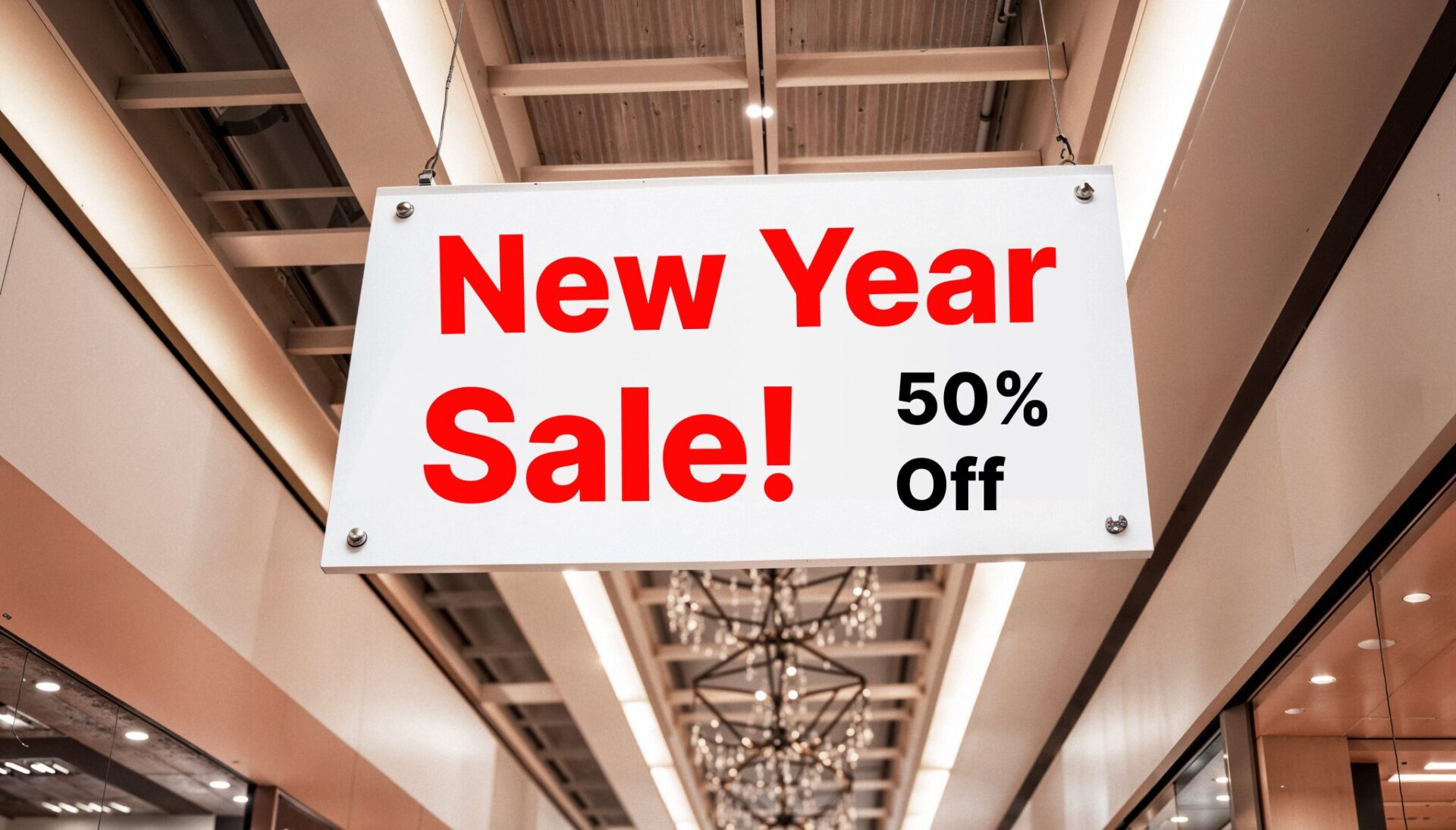

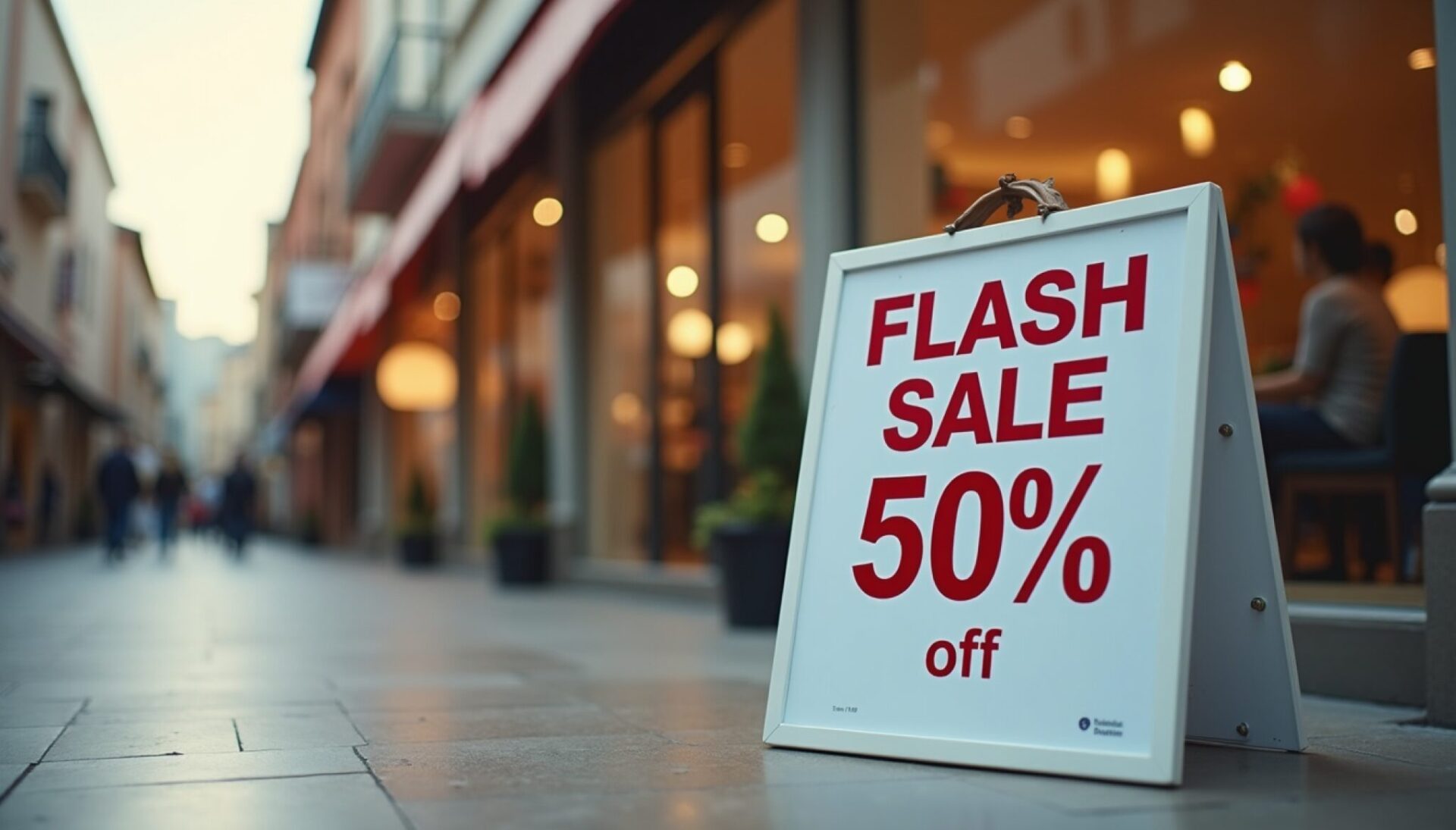
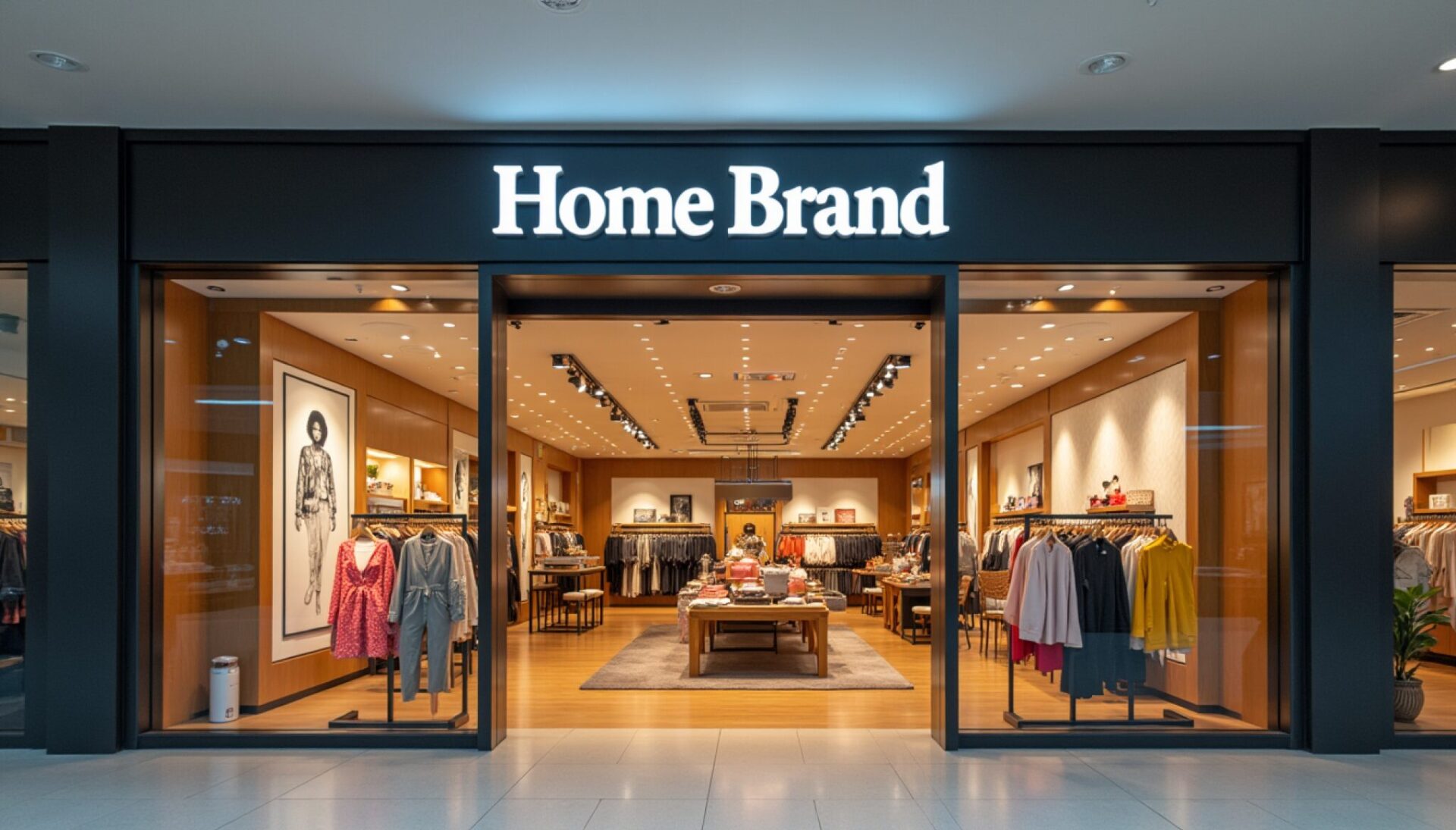
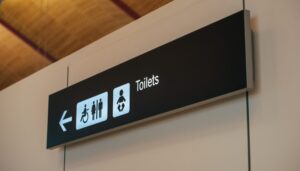
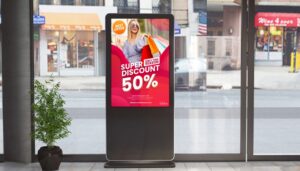
Foot traffic does not just happen. People walking or driving past your store are making quick decisions about whether to stop. Your exterior signage is doing the work of pulling them in before they even read what is on it. The quality, the visibility, and the clarity of your storefront all factor into that split-second decision.
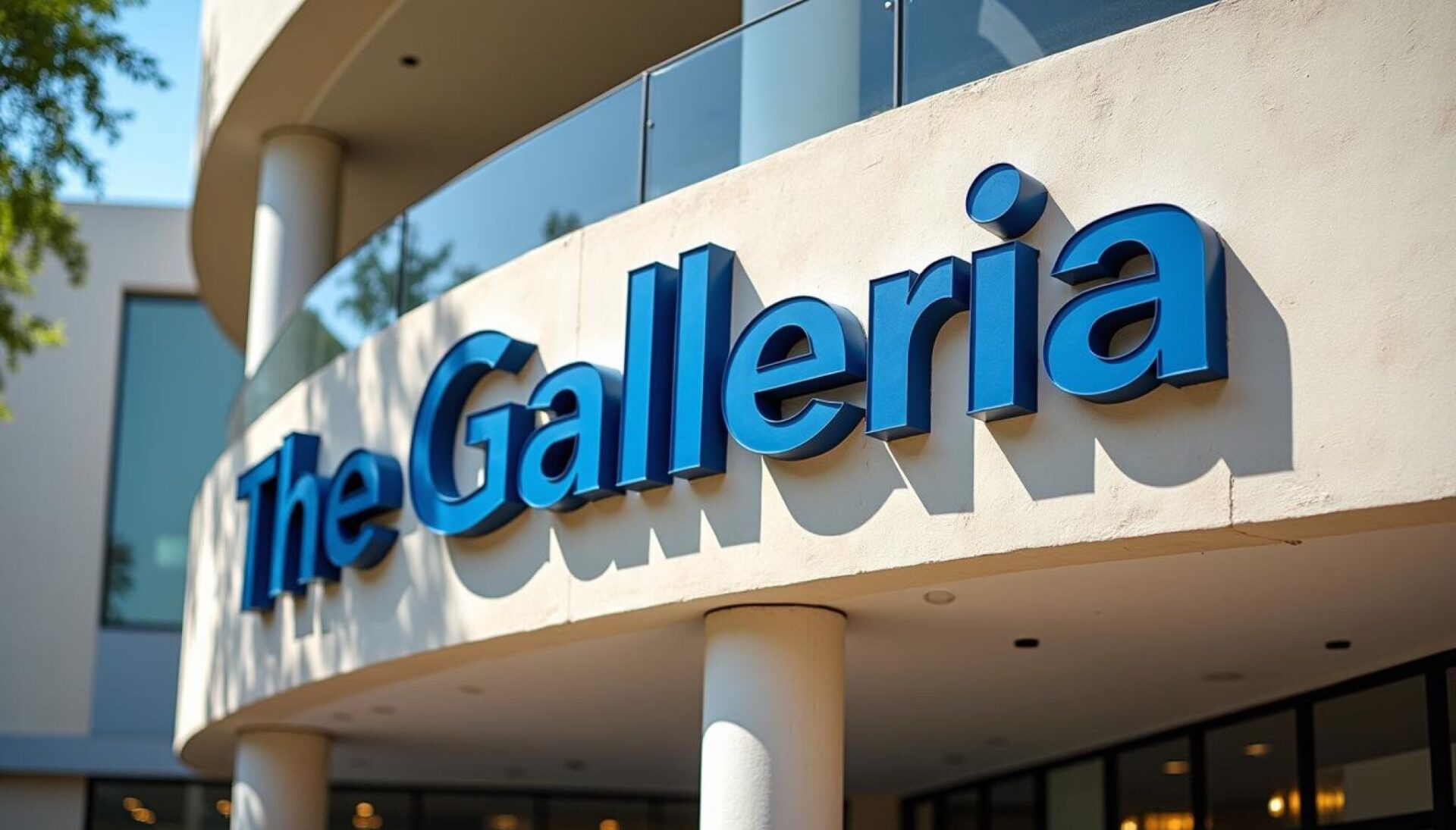

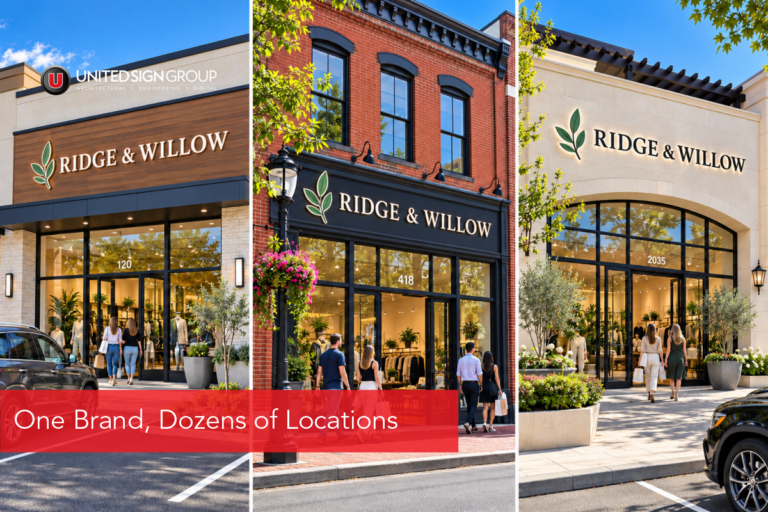
Franchised and multi-location retail brands have sign standards that go beyond a logo file. Approved materials, color specifications, letter heights, mounting requirements, and illumination levels are all part of how a brand protects the consistency of its physical presence across locations. We have worked with franchised retail businesses regularly and know how to read a brand standards document and design to it from the first draft rather than correcting after fabrication. If your brand has a corporate sign approval process, we know how to document the project for submission. For independent retailers building a brand from scratch, the same discipline applies in reverse. We help you establish specifications during the design phase so that when you open a second location, the signage matches the first without having to recreate every decision.
LED digital displays serve a different purpose in retail than in most other environments. The content needs to change frequently, the audience is in motion, and the display is competing with a lot of other visual noise. Getting them right requires thinking about placement, brightness, and content management from the start.
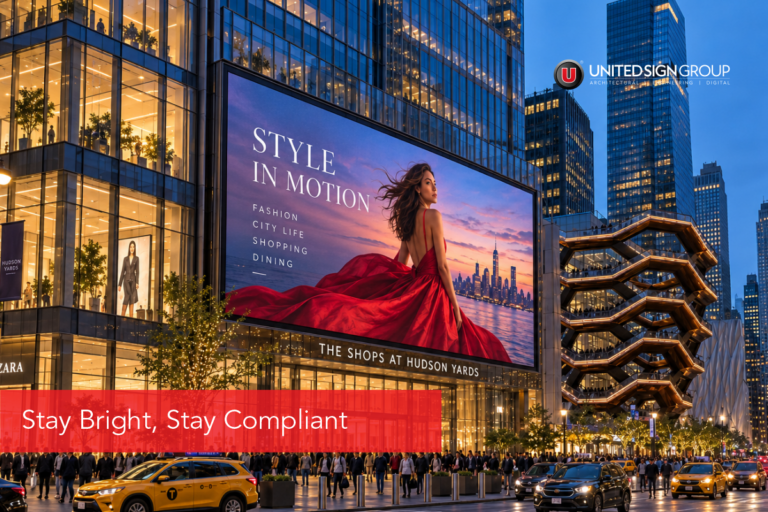
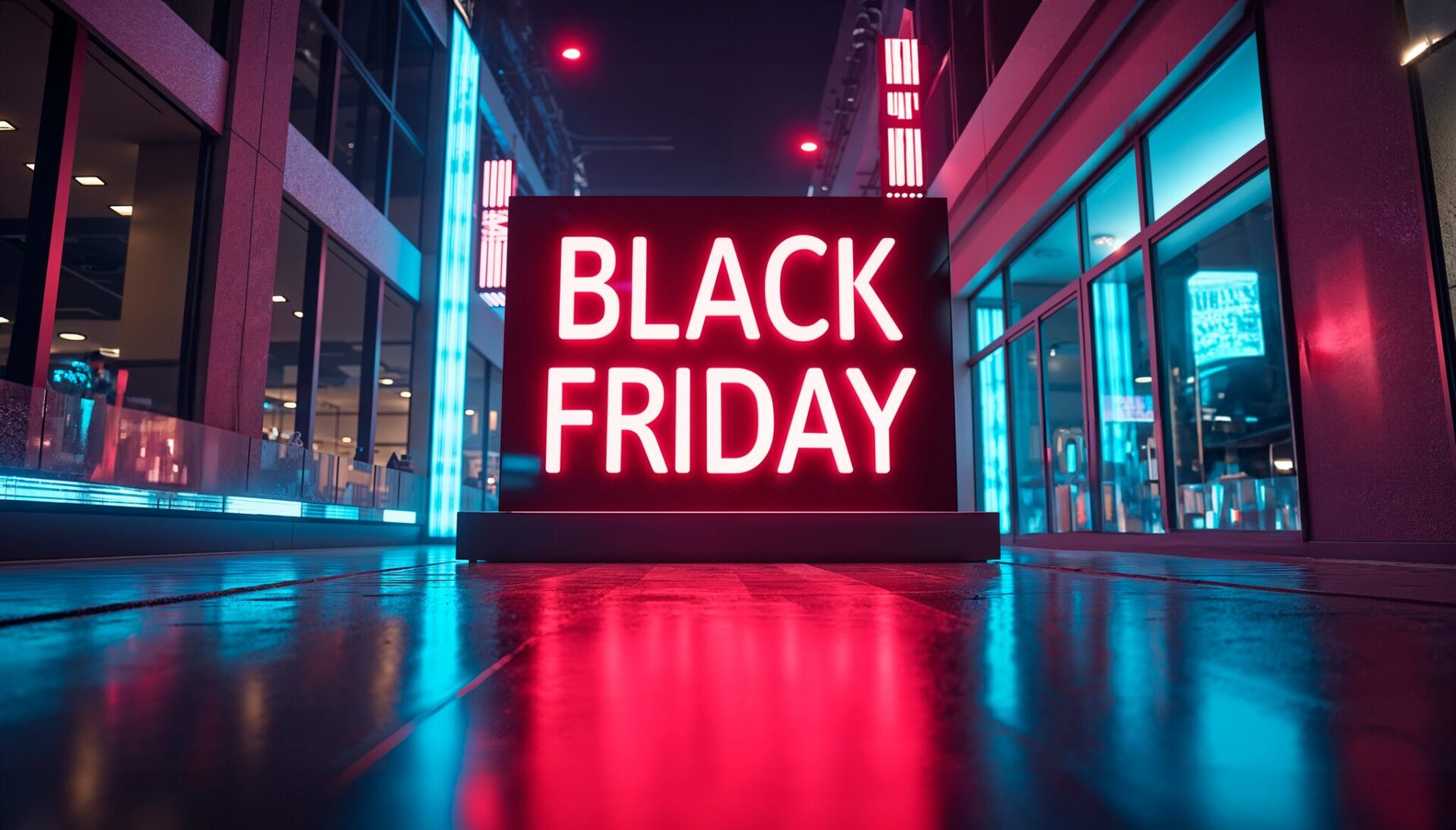
A programmable LED display on your storefront or at a shopping center pylon gives you a live communication channel to passing traffic. Current promotions, new arrivals, store hours, and seasonal campaigns can all be updated from a computer the moment you need to change them. No calls to a printer, no scheduling around a print turnaround. When your Friday sale ends and the weekend offer starts, the sign reflects it immediately.
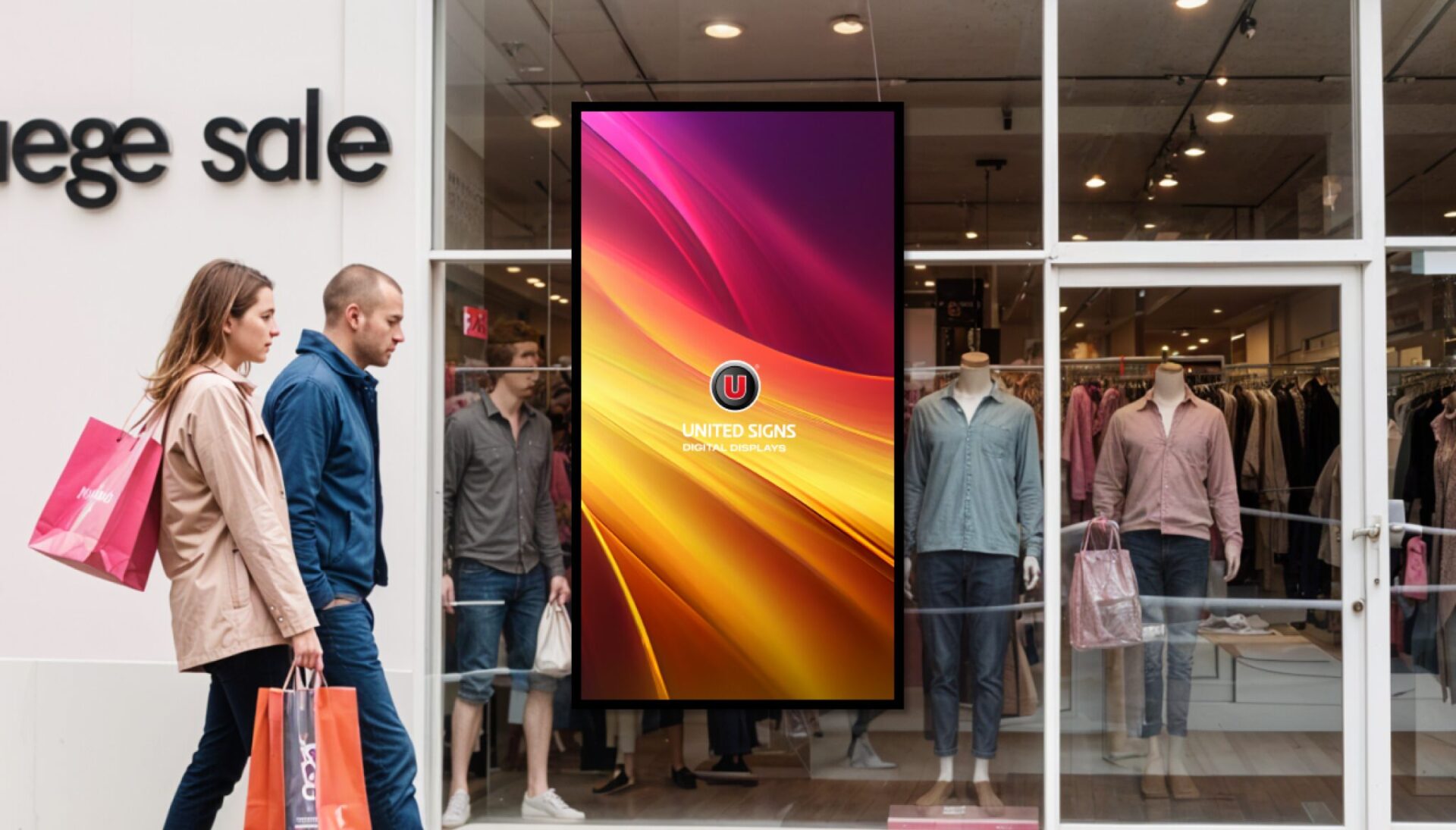
Interior-facing displays visible through the storefront window are increasingly common in retail, particularly in high foot traffic areas. These catch the attention of people walking past and can run video content, animated graphics, or product highlights in a way static window graphics cannot.
Displays on the sales floor can promote featured products, run brand content, show seasonal campaigns, or direct shoppers to specific areas. For larger retail environments, a network of displays across the floor gives you a communication channel that works throughout the store simultaneously.
For grocery, specialty food, and food service retail, digital menu boards and pricing displays are a significant operational improvement over printed signage. Price changes, seasonal items, and sold-out inventory can be updated instantly across every display in the store without printing a single sign.
Our retail digital displays are specified for the ambient light conditions they will actually operate in, whether that's a bright storefront window or a lower-light interior environment. Brightness, resolution, and installation method are all part of the specification before anything gets ordered.
A store opening with signage already in place feels ready. One that opens while still waiting on permits or fabrication looks like work in progress, and that impression is hard to walk back with early customers. We have handled signage for store openings where the timeline was fixed and non-negotiable. We build permitting and fabrication timelines backward from your opening date, not forward from when we start, so the sign is done when the store is done. For retail brands opening multiple locations in a short window, we can run parallel production across stores so each location is ready on its own schedule without one project holding up another.
A lot of signage projects stall because nobody knows what's supposed to happen next. Here's how ours runs:
We look at your location, storefront visibility, current signage, and brand requirements. If there are franchise standards or landlord sign criteria in play, we pull those before the design phase starts.
You see what the sign will actually look like before anything gets fabricated. Colors, materials, scale, and placement shown against photos of your actual storefront.
Everything is built in our own facilities. We are not outsourcing to a third party and hoping the spec comes back right.
Our crews handle installation using certified installers with the right equipment and insurance for the job.
We don't disappear after the truck leaves. If something needs adjusting, or you are opening additional locations and need to match existing signage, you are working with the same team.
Retail signage projects often have deadlines tied to store openings, rebrands, or seasonal campaigns. We have worked within those timelines, and we know how to plan permitting, fabrication, and installation so the schedule holds. Brand standards are also common in retail, especially for franchised or multi-location businesses. Whether you are working within a franchisor's guidelines or building a custom retail identity, we design to your specifications from the start. With over 30 years of experience, more than 1,000 completed projects, and 12 locations across the country, we handle design, fabrication, and installation so you are not coordinating between multiple vendors to get a store open on time.
Custom retail signage designed to attract foot traffic, guide shoppers, and elevate the in‑store experience across storefronts, malls, and mixed‑use centers.
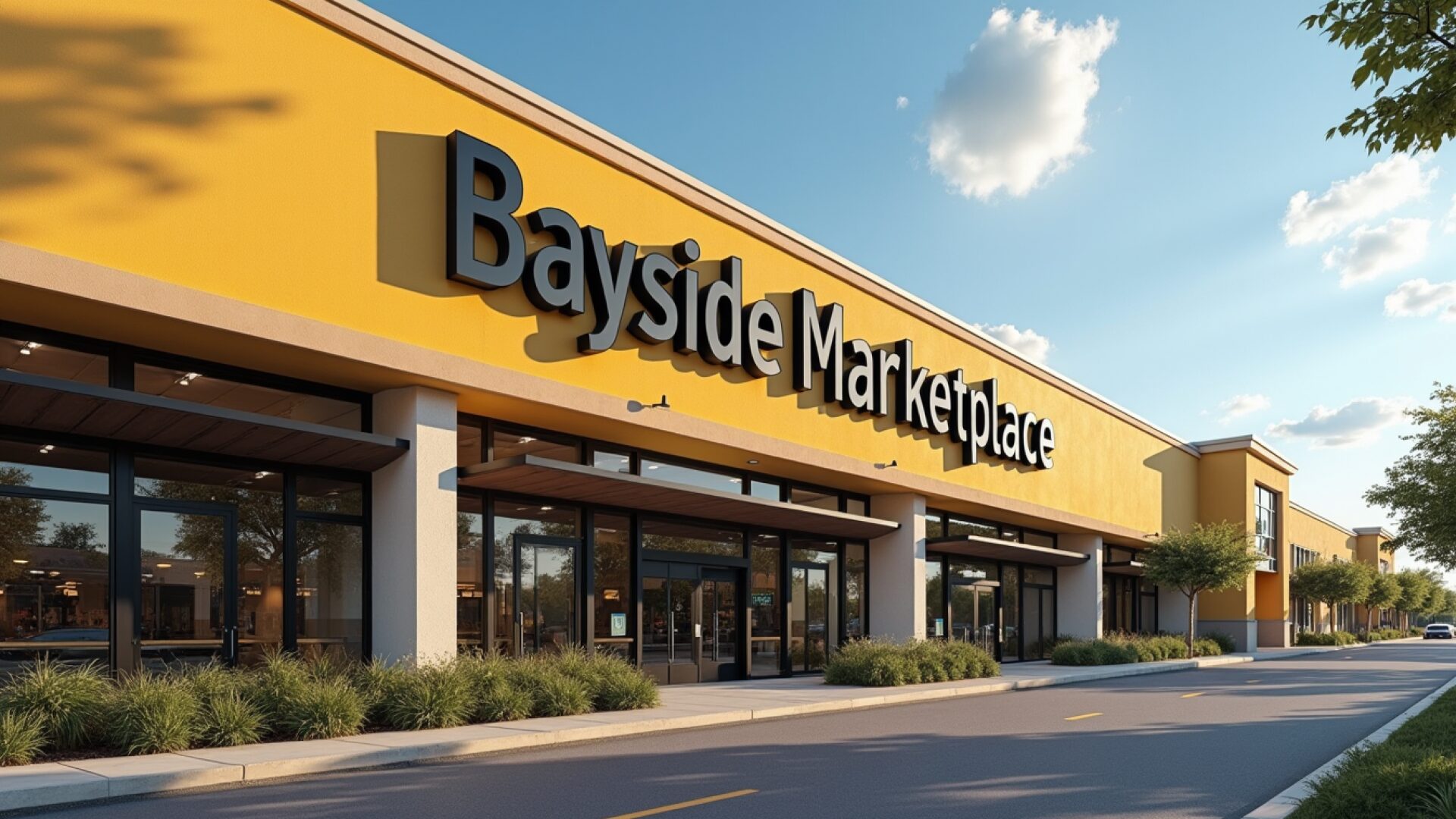
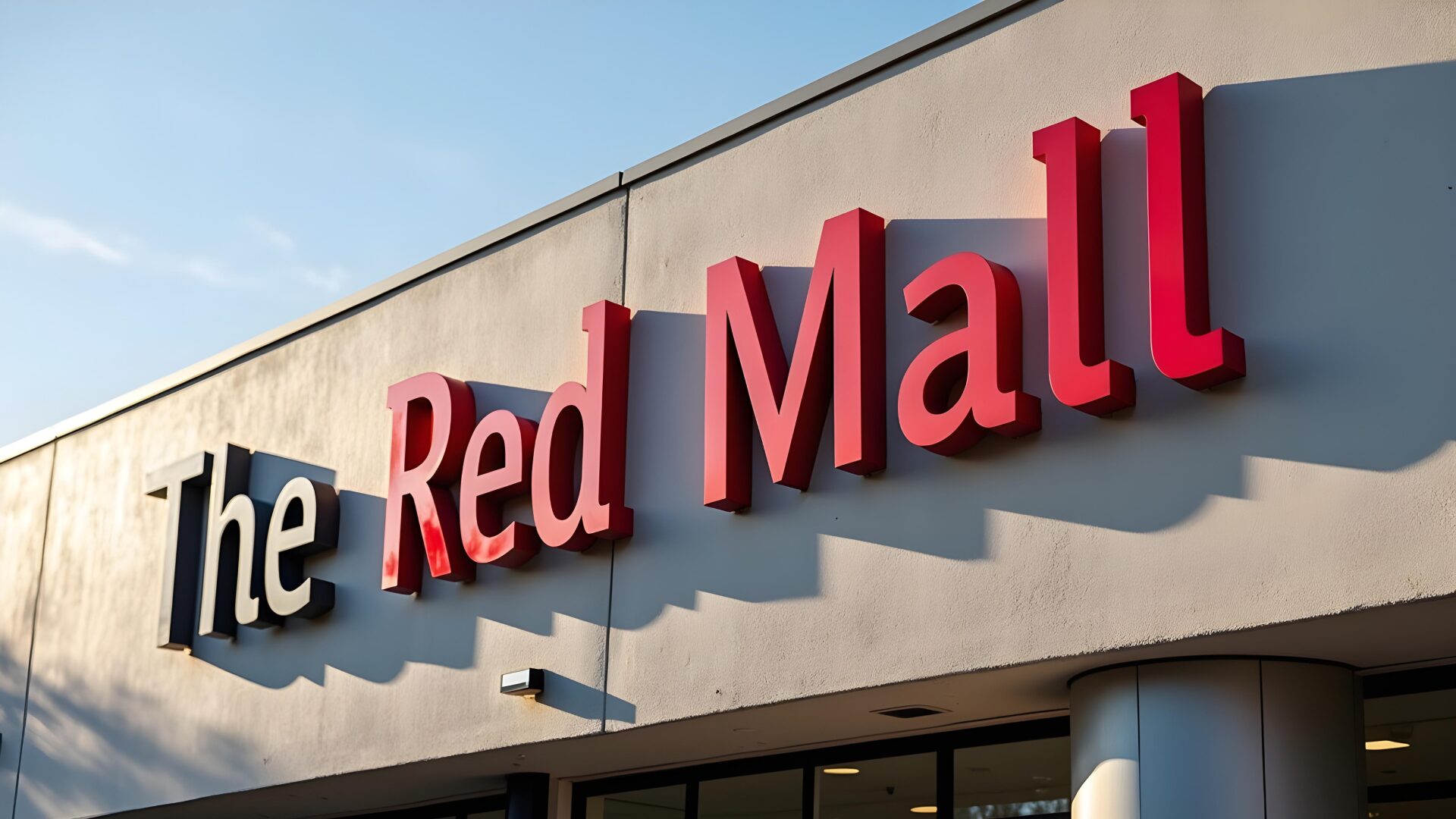
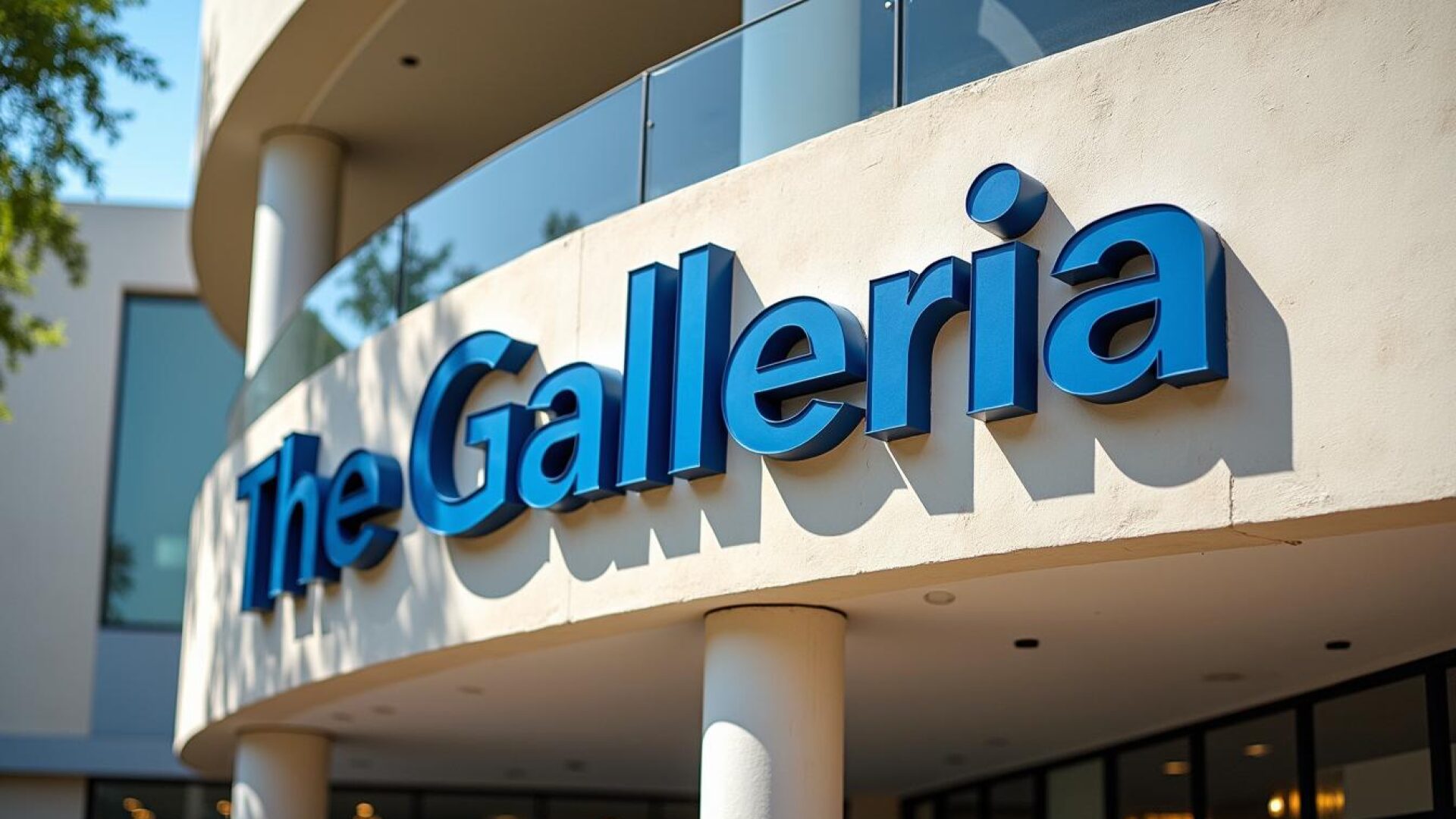
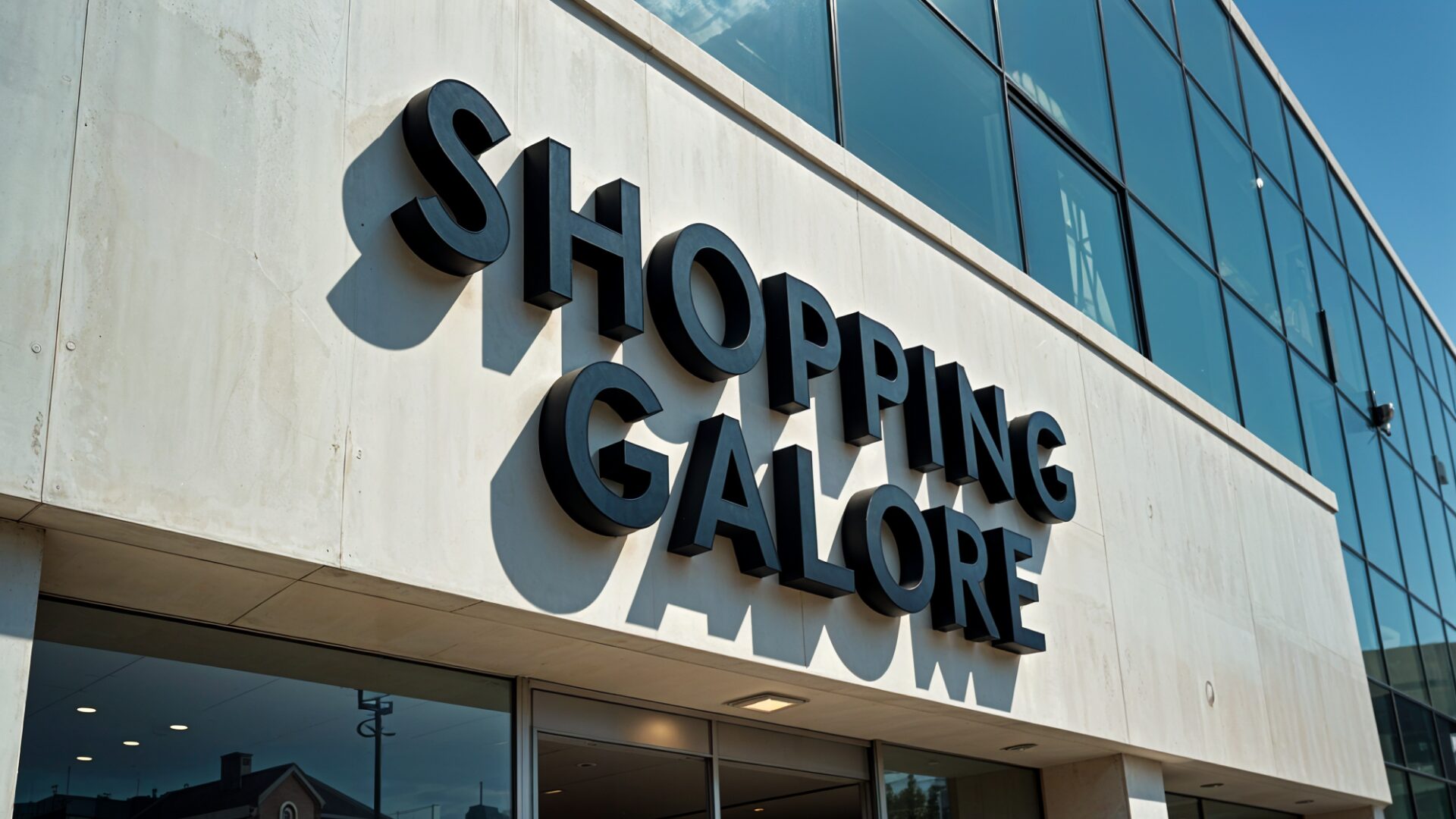
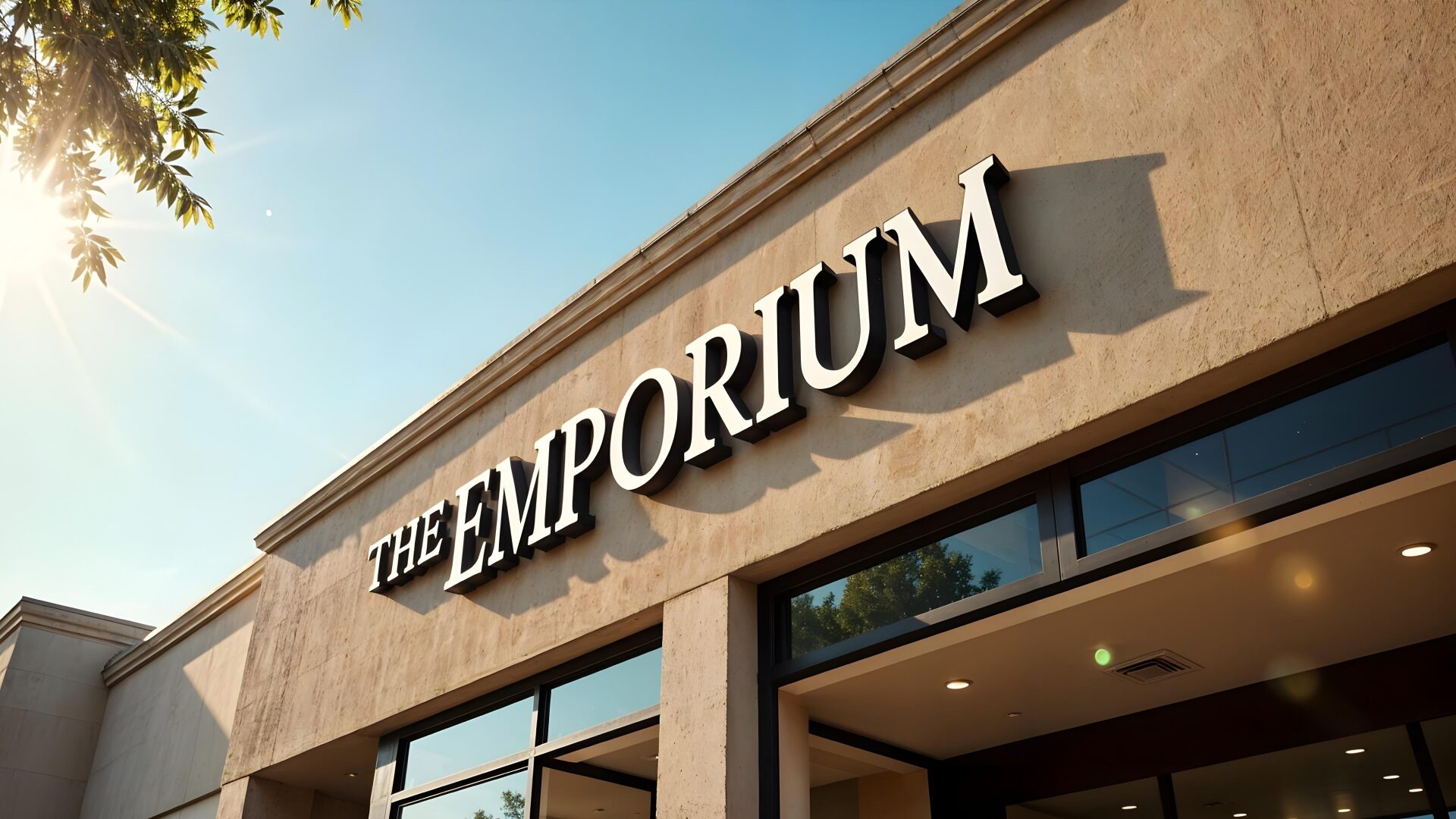
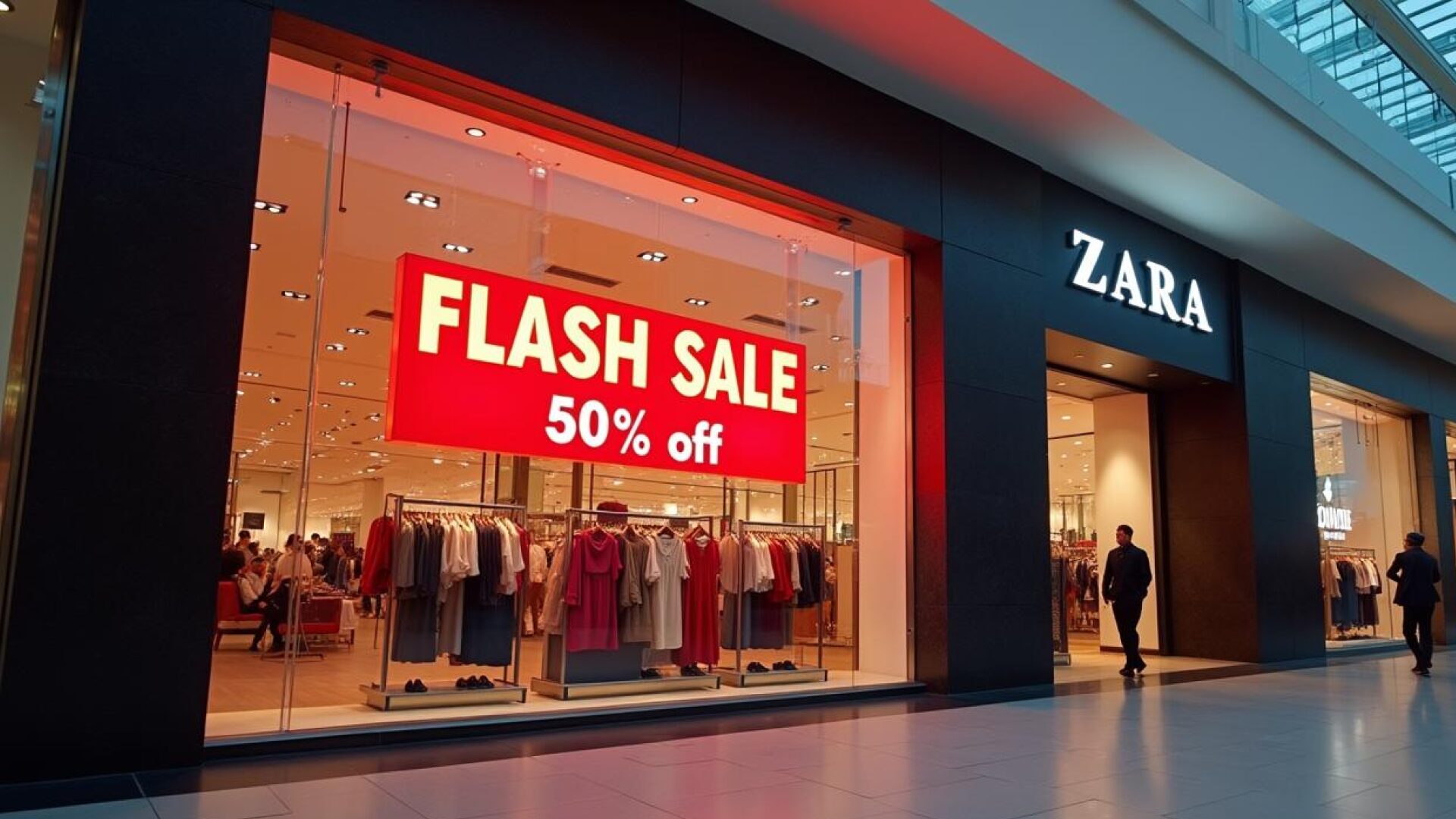
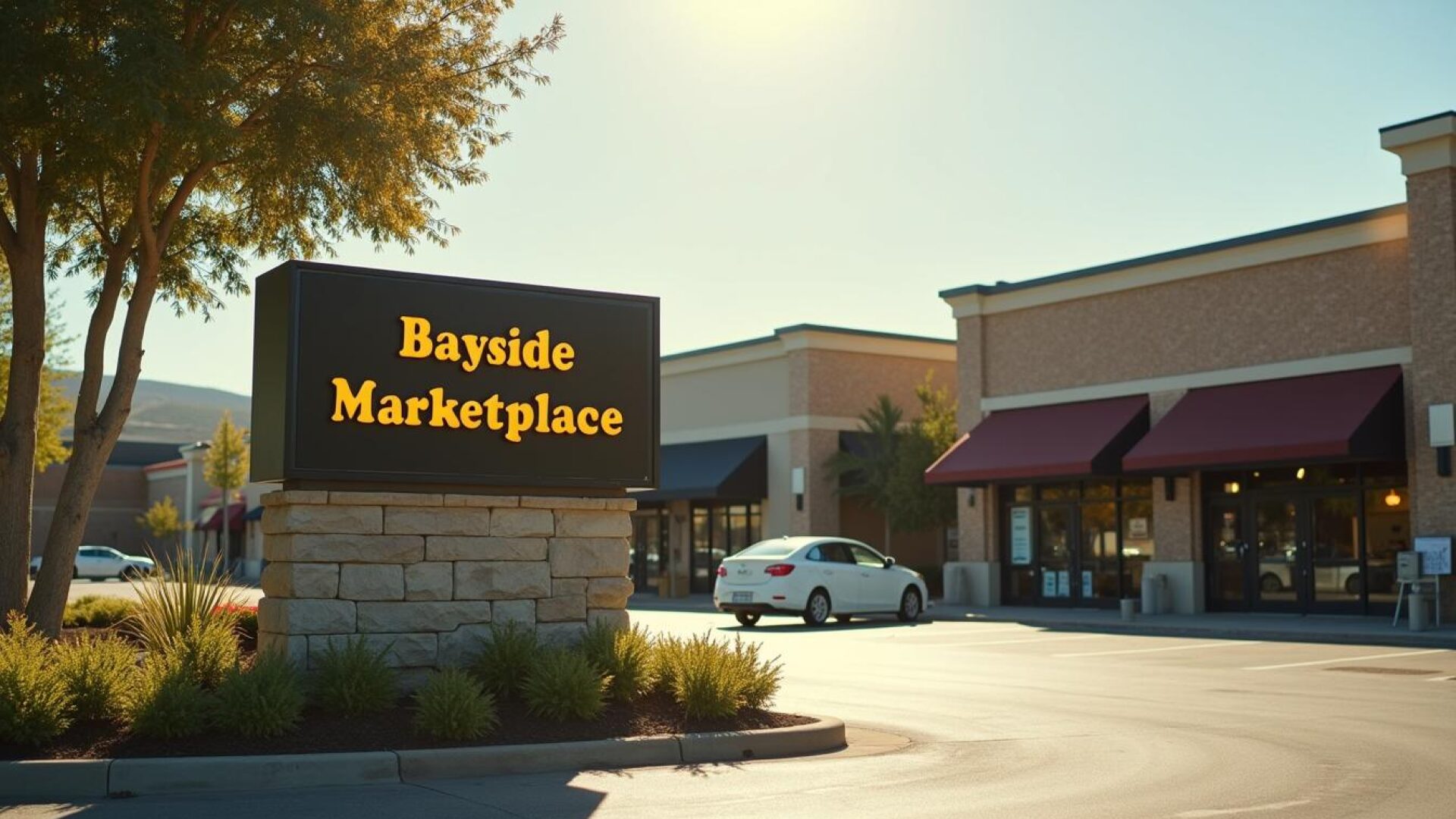
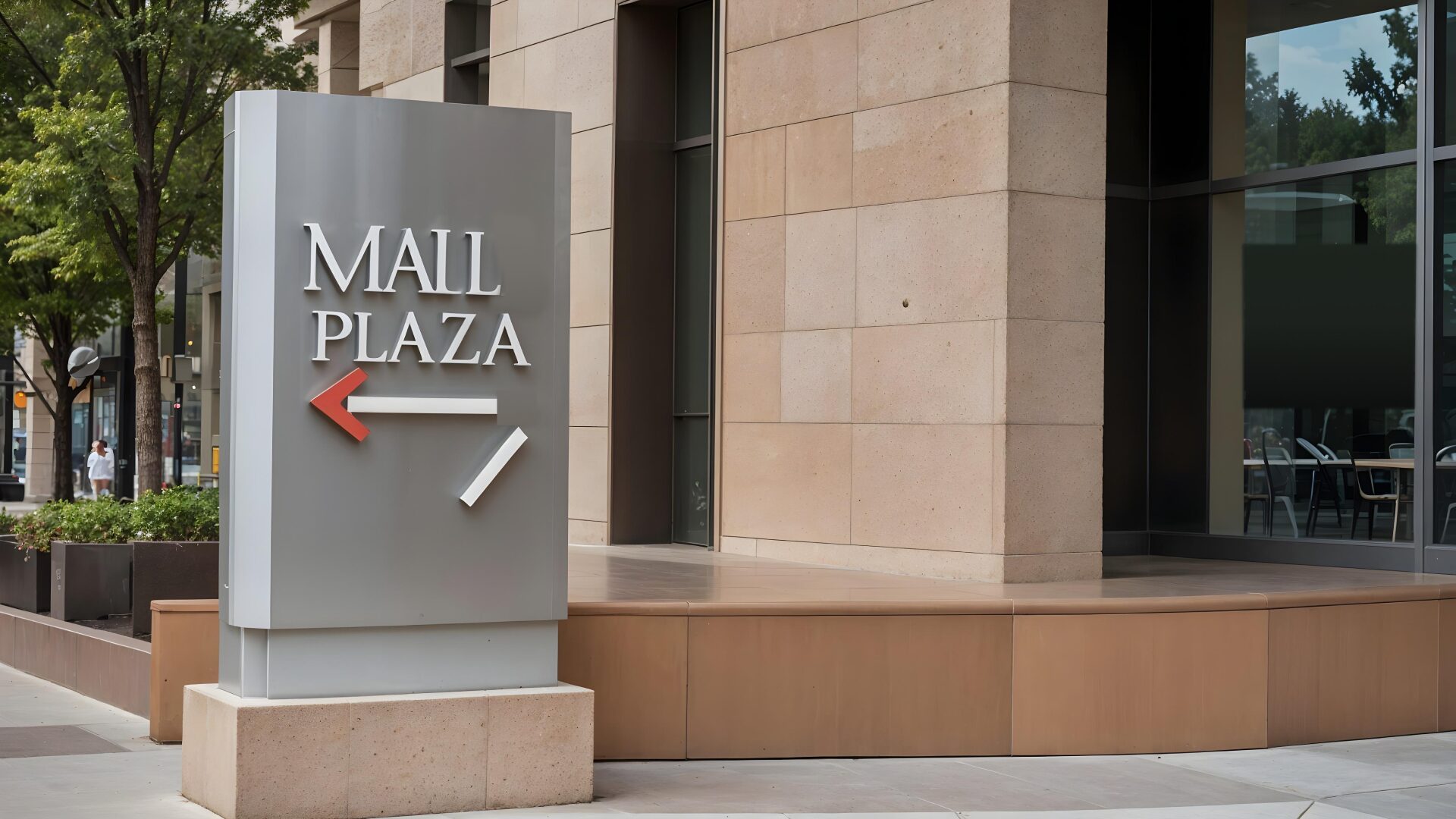
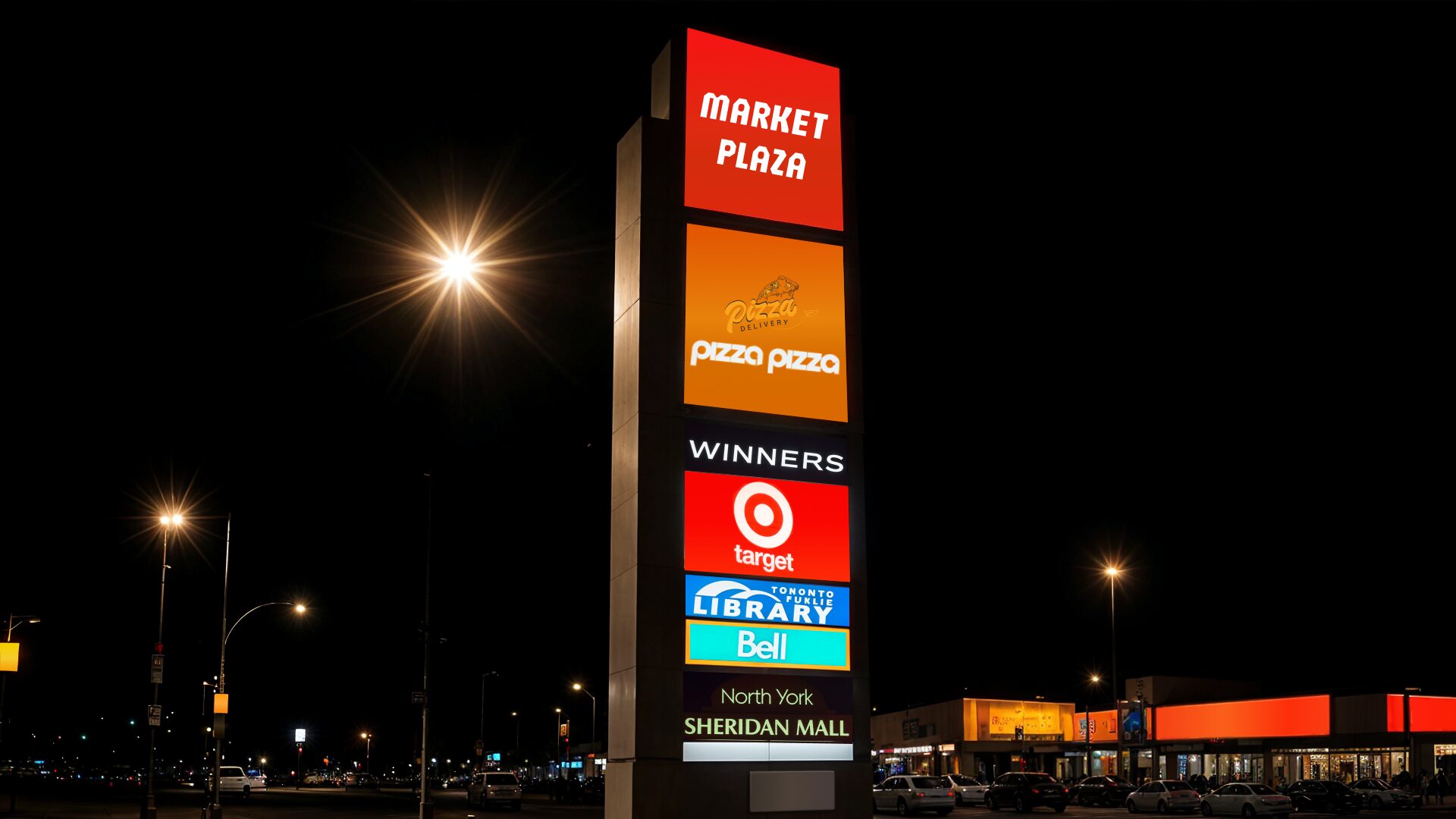
Interior signage including product displays, promotional signage, wayfinding signs, checkout signage, and safety and regulatory signs. Exterior signage including storefront signs, A-frame signs, window graphics, directional signs, and LED signs.
Yes. Franchised retail businesses often have specific guidelines on sign specifications, materials, and placement. We work within those requirements regularly.
Yes. Tell us the opening date upfront, and we will build the project schedule around it, including permitting and fabrication timelines.
Yes. Permitting is handled as part of the project. Requirements vary by location, and we take care of that process early.
Yes. If you need consistent signage across several retail locations, we can coordinate that. Keeping things consistent from one store to the next is something we have done many times.
Yes. Design, fabrication, and installation are all part of what we do.
We have local teams across 12 locations. There is a regional contact available rather than a general support line.
Yes.
Yes.
Not necessarily. We can assess what's in place, identify what needs to be replaced to reflect the new brand accurately, and phase the work if that better fits your timeline or budget. We'll give you a clear picture of what a full rebrand looks like versus a prioritized partial update.
Yes.
Channel letters are individual illuminated letters mounted directly to the building face. Cabinet signs are enclosed box signs with a face panel showing the brand. Channel letters tend to give a more contemporary, open look. Cabinet signs can work well for certain retail categories and locations. We'll walk you through the options and what works best for your specific storefront during the design phase.
Yes.
Whether you are planning a single installation or a multi-location custom signage solutions program, our team will respond within 24 hours with a clear next step and no obligation. Tell us about your project, and a specialist will get back to you directly.
Our sales team will respond within 24 hours.
Tell us about your project and a specialist will get back to you within 24 hours.
Thanks for reaching out. A United Signs specialist will contact you within 24 hours.
Get a response in 24 hours