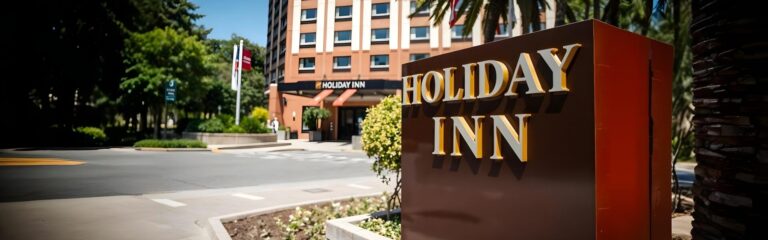
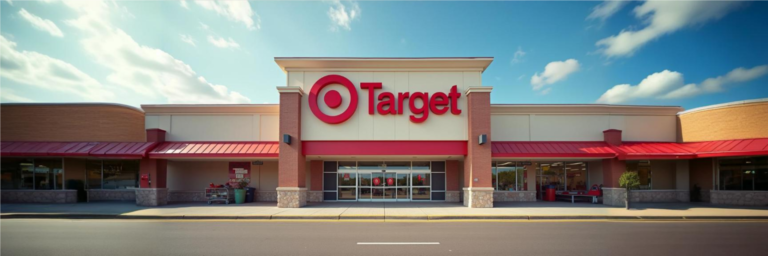
United Signs designs and installs multifamily signage for apartment complexes, residential communities, and mixed-use properties. Interior and exterior included.
Shop Now
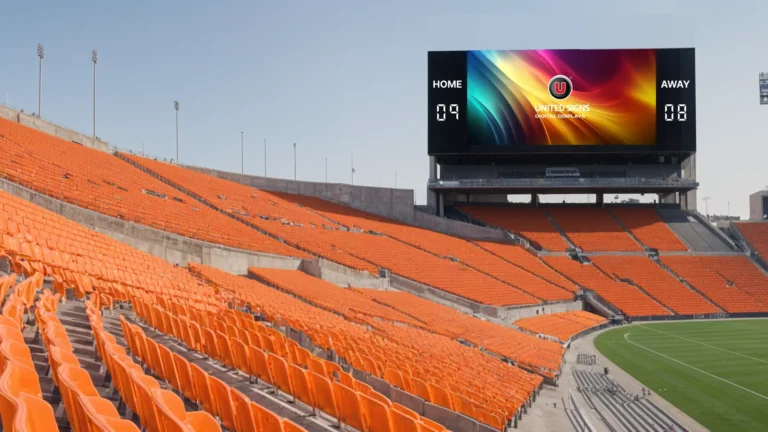
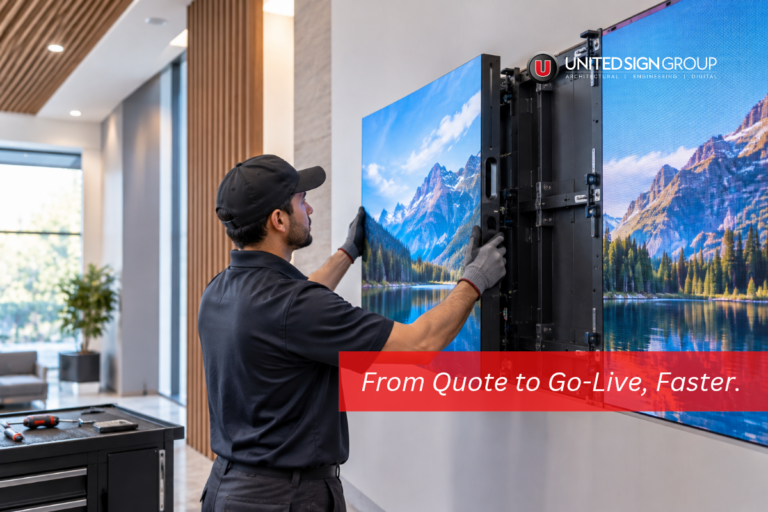
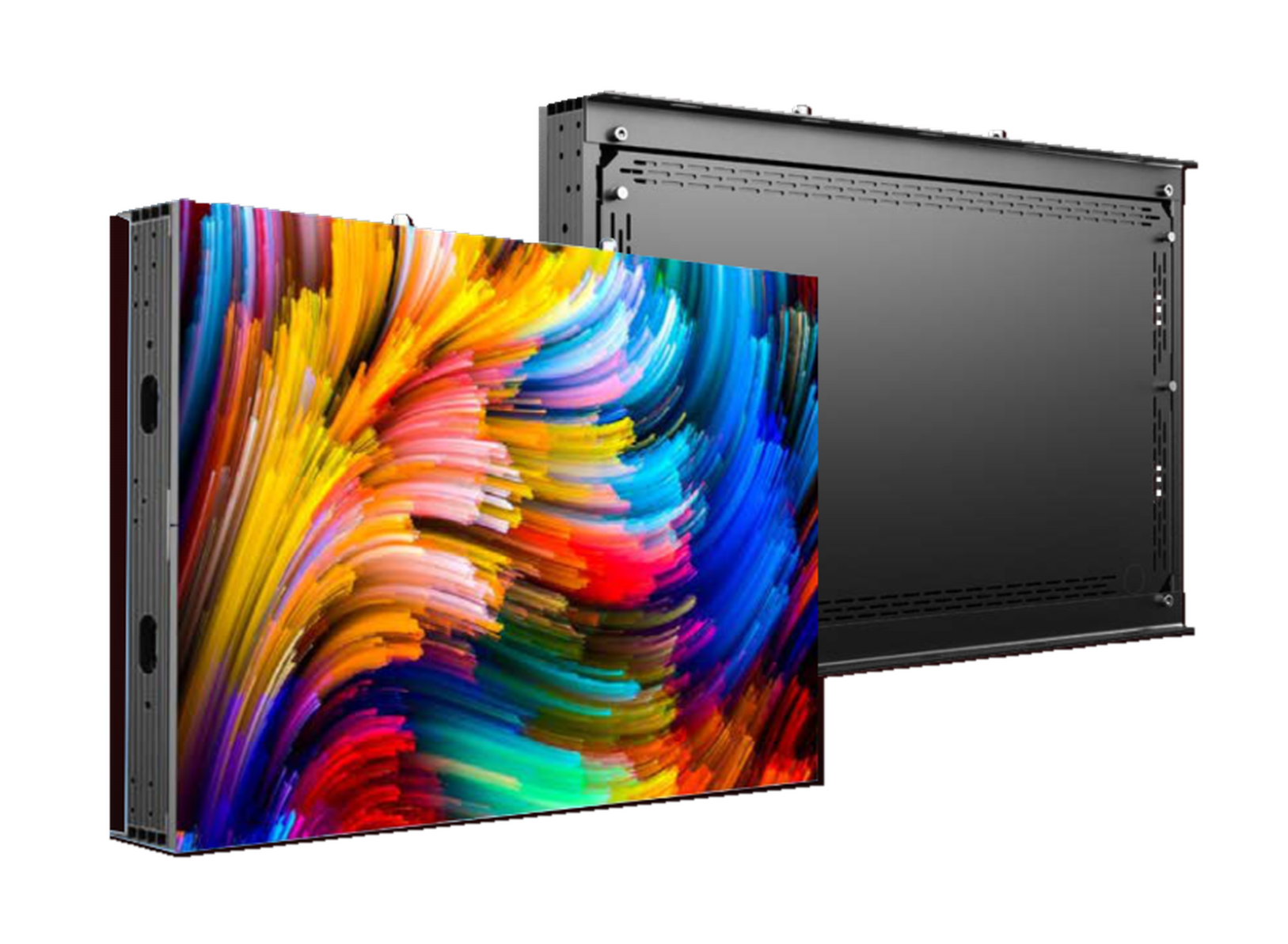
United Signs uses only the best LEDs to guarantee the highest image quality, unified illumination, color, and power efficiency.

We aspire to build the most reliable and consistent LED displays that meet your specific design and technical requirements.
United Signs offers user-friendly technology that helps clients produce stimulating content experiences.
United Signs is here to assist. We provide installation and training support by phone, online, or in person with our local sales teams.
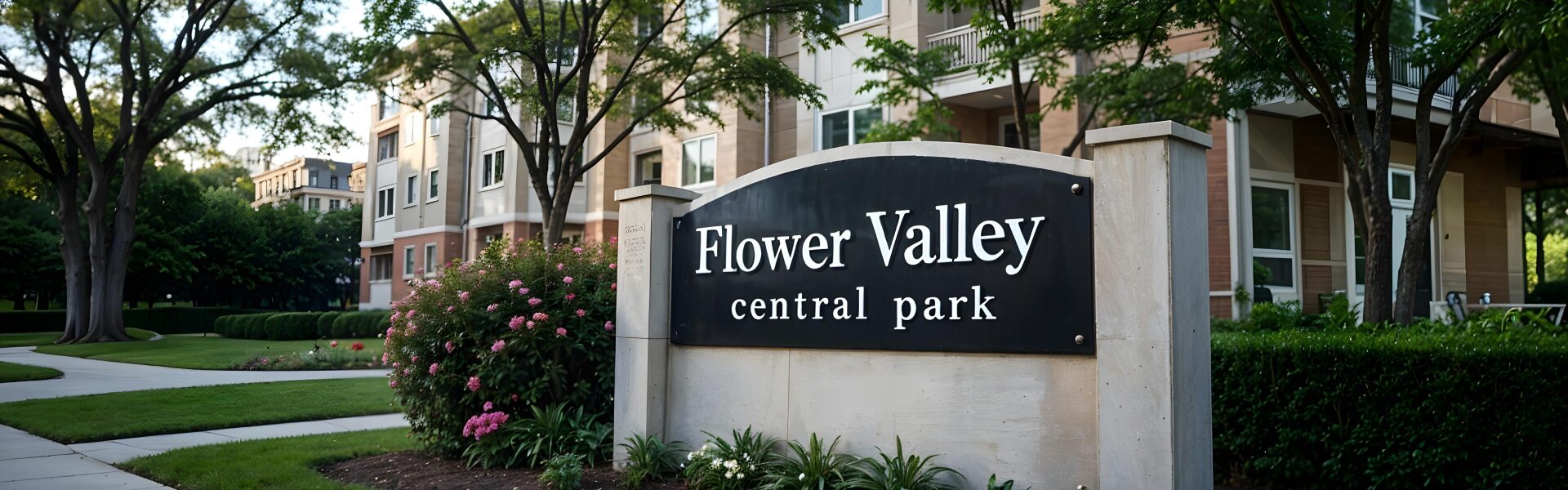
A multifamily community is not a single building with a single type of visitor. Residents, prospects, guests, delivery drivers, maintenance crews, and emergency services all use the same property with different levels of familiarity and different things they need to find. Here's every touchpoint we cover:
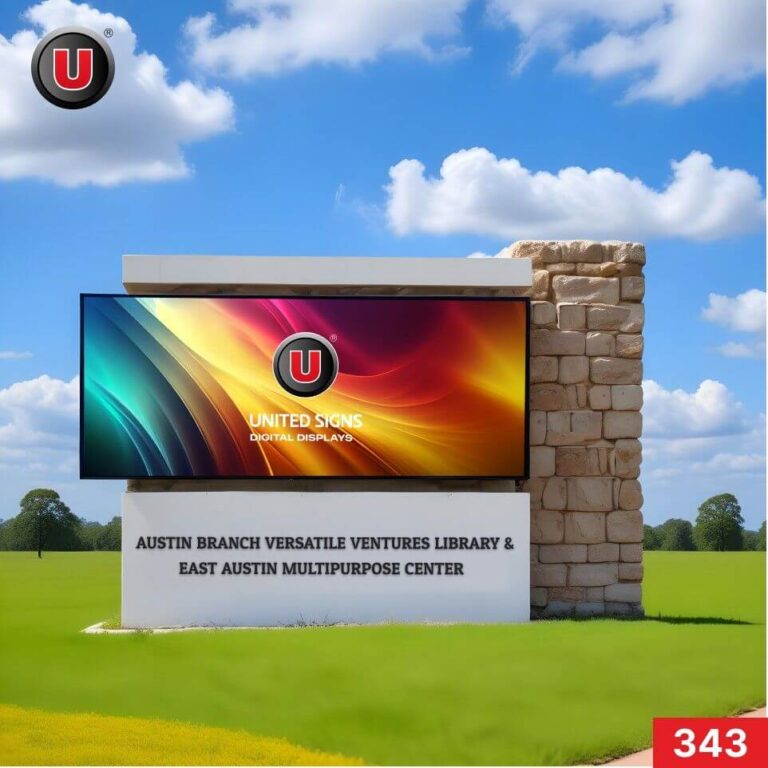
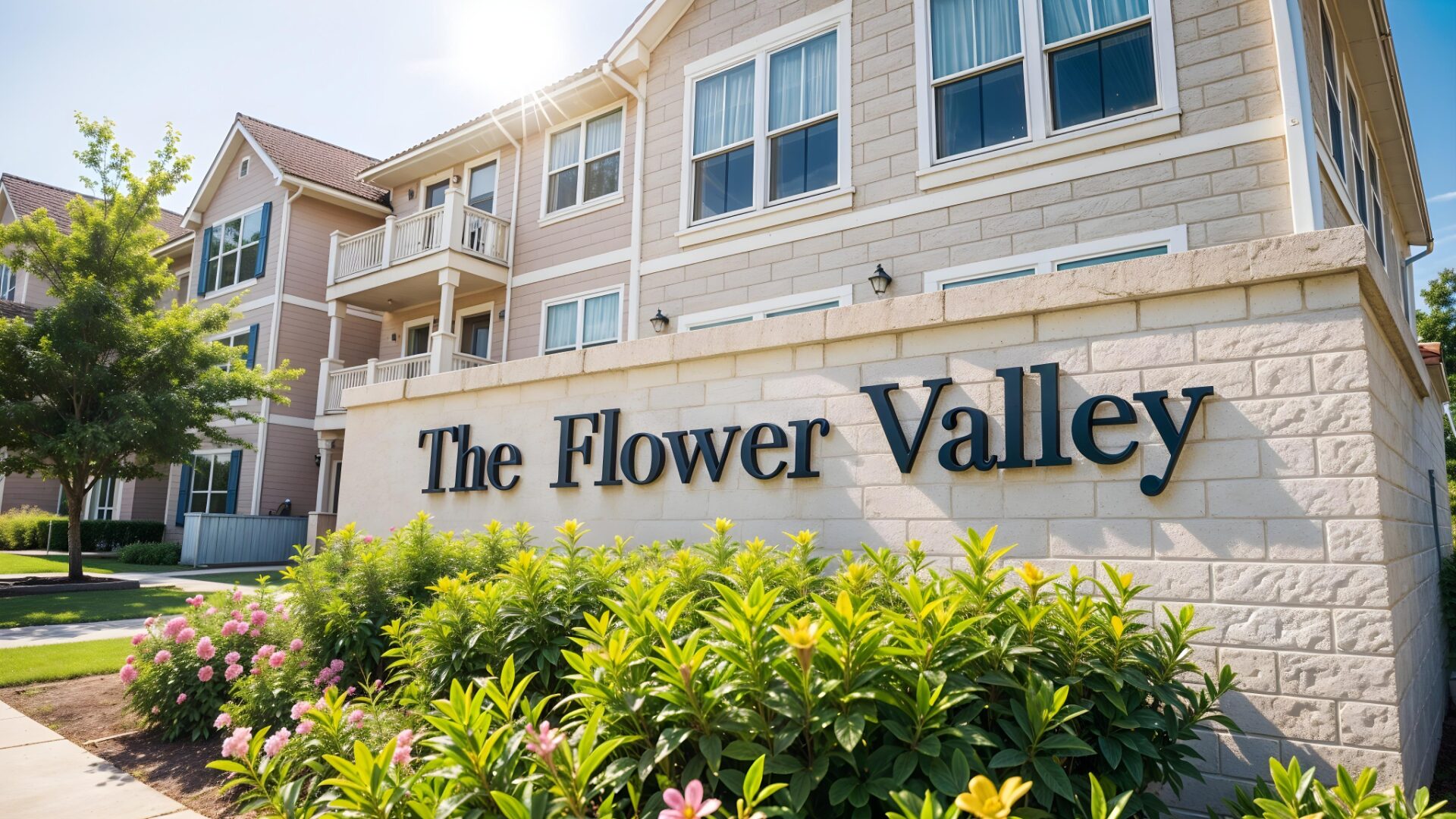
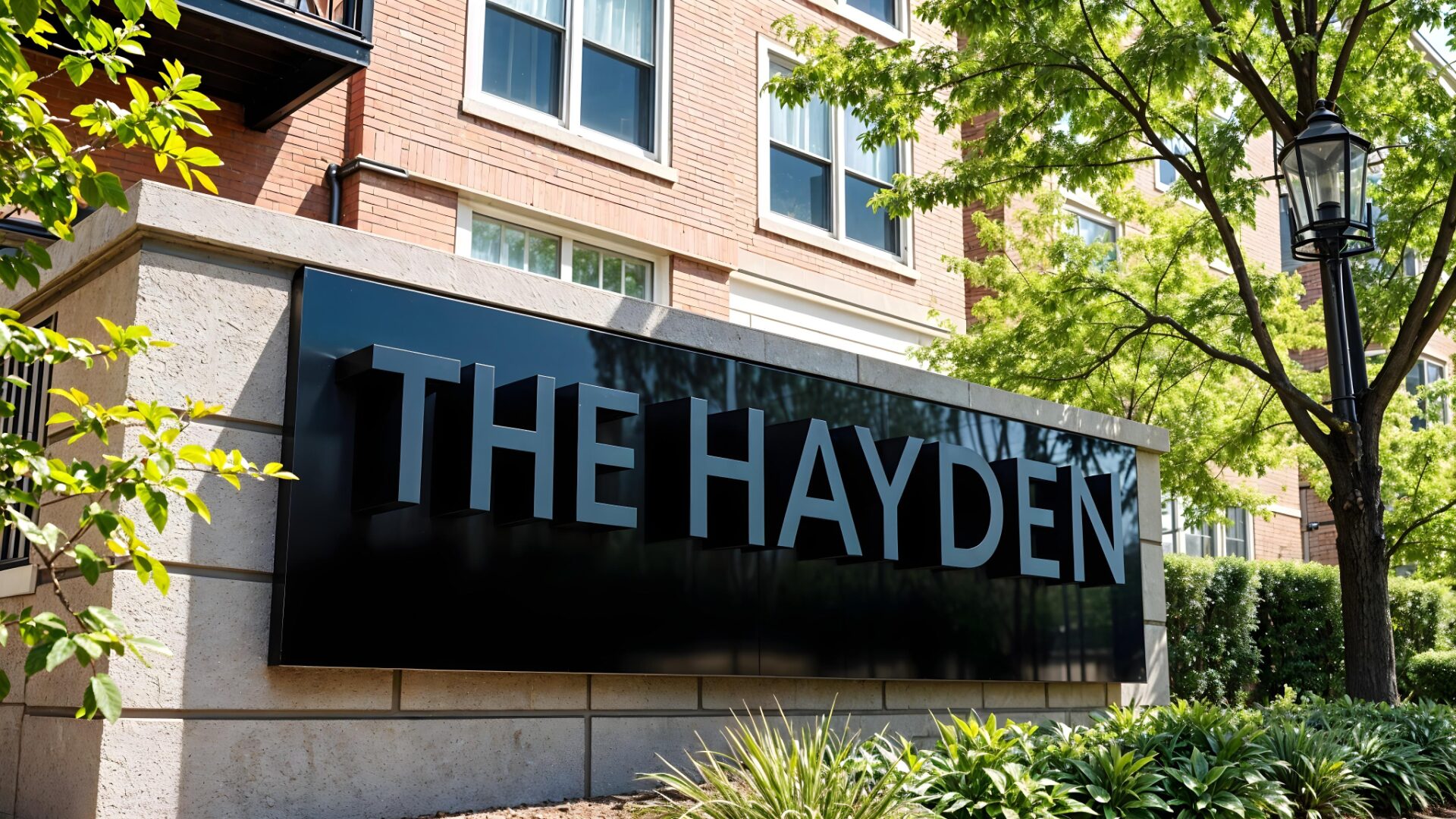
The monument sign at the entrance is the most visible piece of signage on the property and one of the first things a prospective resident evaluates. It needs to look as good as the community it represents and hold up over the years without looking dated.
First-time visitors come to the leasing office before they go anywhere else on the property. It should be clearly marked from the entrance and easy to find without calling ahead for directions.
Resident parking, visitor parking, accessible spaces, reserved areas, and tow-away zones. A well-organized lot is one of the first things new residents interact with every day, and confusion here generates more calls to the leasing office than almost any other issue.
On multi-building communities, clear building markers are essential. A delivery driver, a maintenance technician, or a first-time guest should be able to find the right building on their own.
Entry identification and lobby signage that sets the tone for the resident experience before anyone steps inside a unit.
Wing identifiers, floor markers, and hallway signs that guide people to the right unit without confusion. Especially important in larger buildings where the layout is not intuitive.
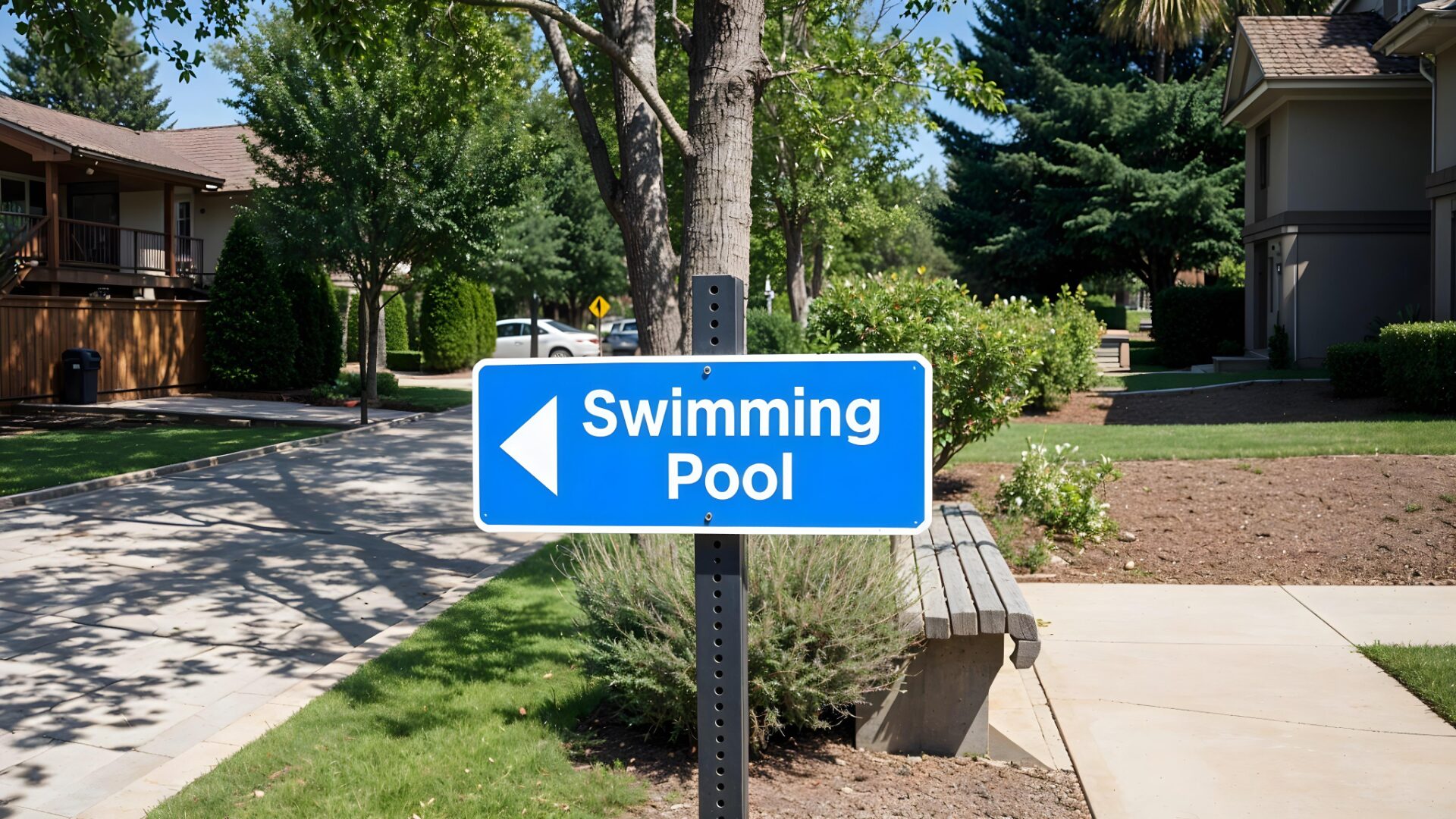
Pool, fitness center, clubhouse, dog park, package lockers, car wash stations. Residents should be able to find every amenity they are paying for without asking at the office.
Consistent, clearly legible unit number signs across every floor and building. These are the most frequently encountered signs on the property, and the material and finish quality is noticed more than most operators realize.
Mail room identification, package locker labels, and directional signs to these areas. Package delivery volume at residential properties has made this area one of the highest-traffic spots on any community.
Most properties revisit signage during a renovation, a rebrand, or after a consistent stream of resident complaints. Here's what is quietly at stake before any of those things happen:
Prospects drive past or walk through a property and form an opinion before they ever sit down with a leasing agent. A community that looks organized, well-maintained, and clearly branded is easier to lease than one that feels neglected or inconsistent. Signage is part of that first impression, and it is one of the lower-cost levers a property has to influence it.
Residents notice when a property feels managed versus when it feels like nobody is paying attention. Faded signs, unit numbers that are hard to read, amenities that are hard to find, and a parking lot without clear organization all contribute to the sense that management is not on top of things. These are the kinds of frictions that factor into renewal decisions.
Delivery drivers, HVAC technicians, pest control, and other service providers are on the property constantly. When they cannot find the right building or the right unit, they call the leasing office. Clear building identification and unit numbering reduces that call volume and keeps service moving.
When emergency personnel arrive at a large multifamily community, they need to find the right building and the right unit fast. Address markers, building identification, and clear lot signage are not just operational conveniences. In an emergency, they matter significantly.
Property management companies and developers operating multiple communities need each property to feel like part of the same organization. Inconsistent signage across a portfolio, where every community looks like it was handled by a different vendor, works against the brand credibility the company is trying to build.
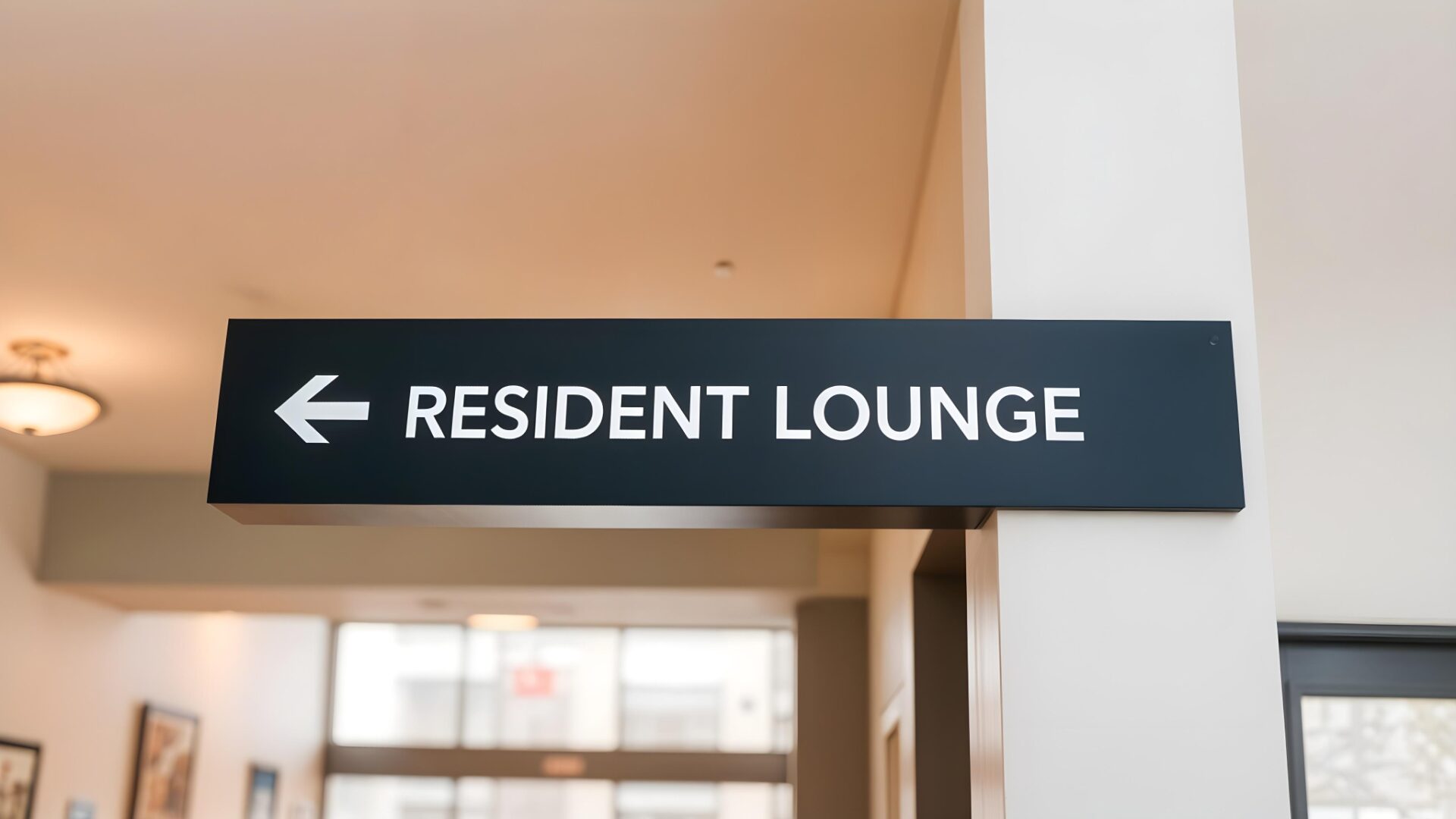
Inside a multifamily property, the signage system needs to work for people who live there every day and for guests, delivery drivers, and maintenance staff who may be visiting for the first time. That is a broader audience than most properties account for when they think about interior signage.

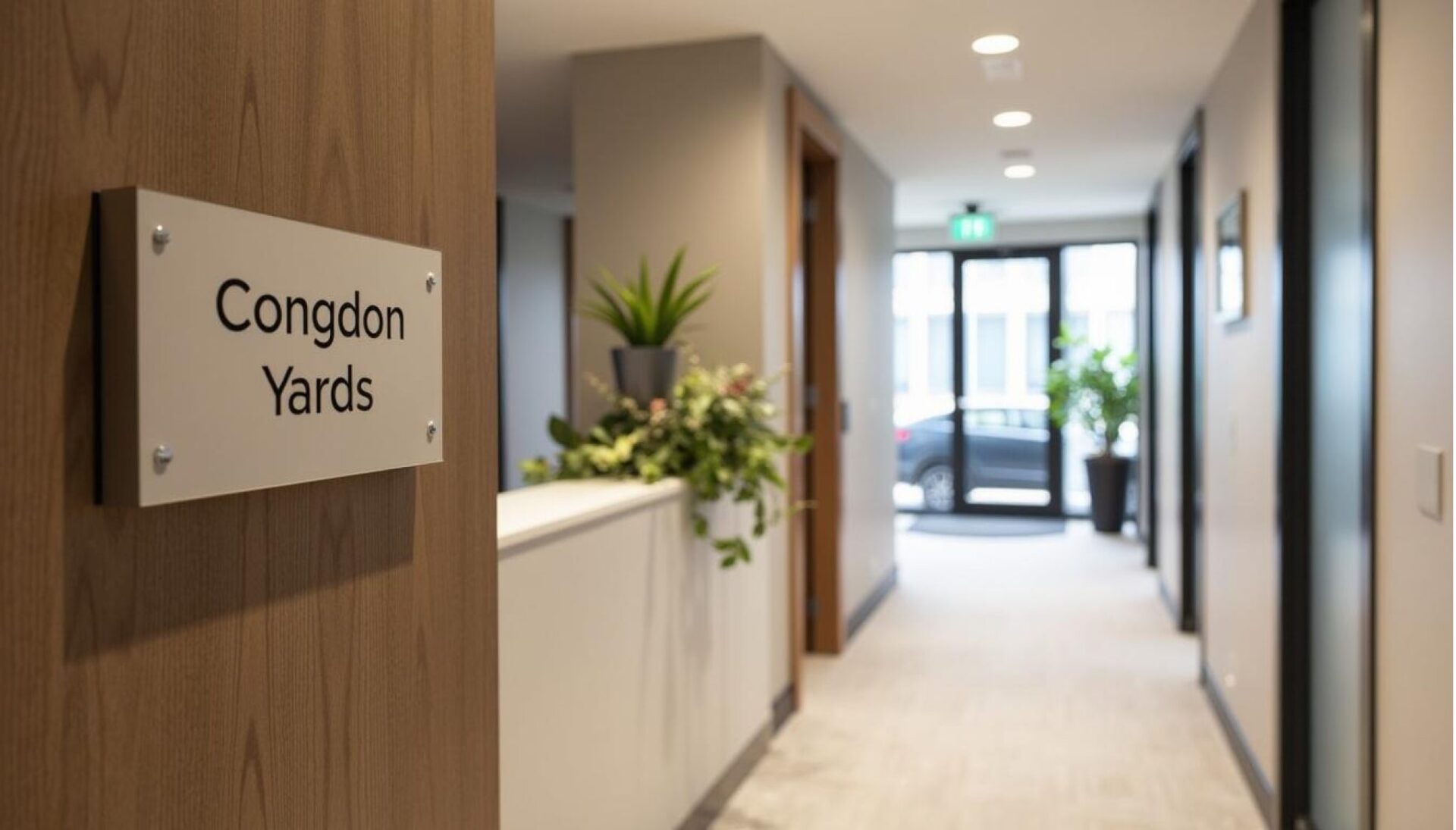
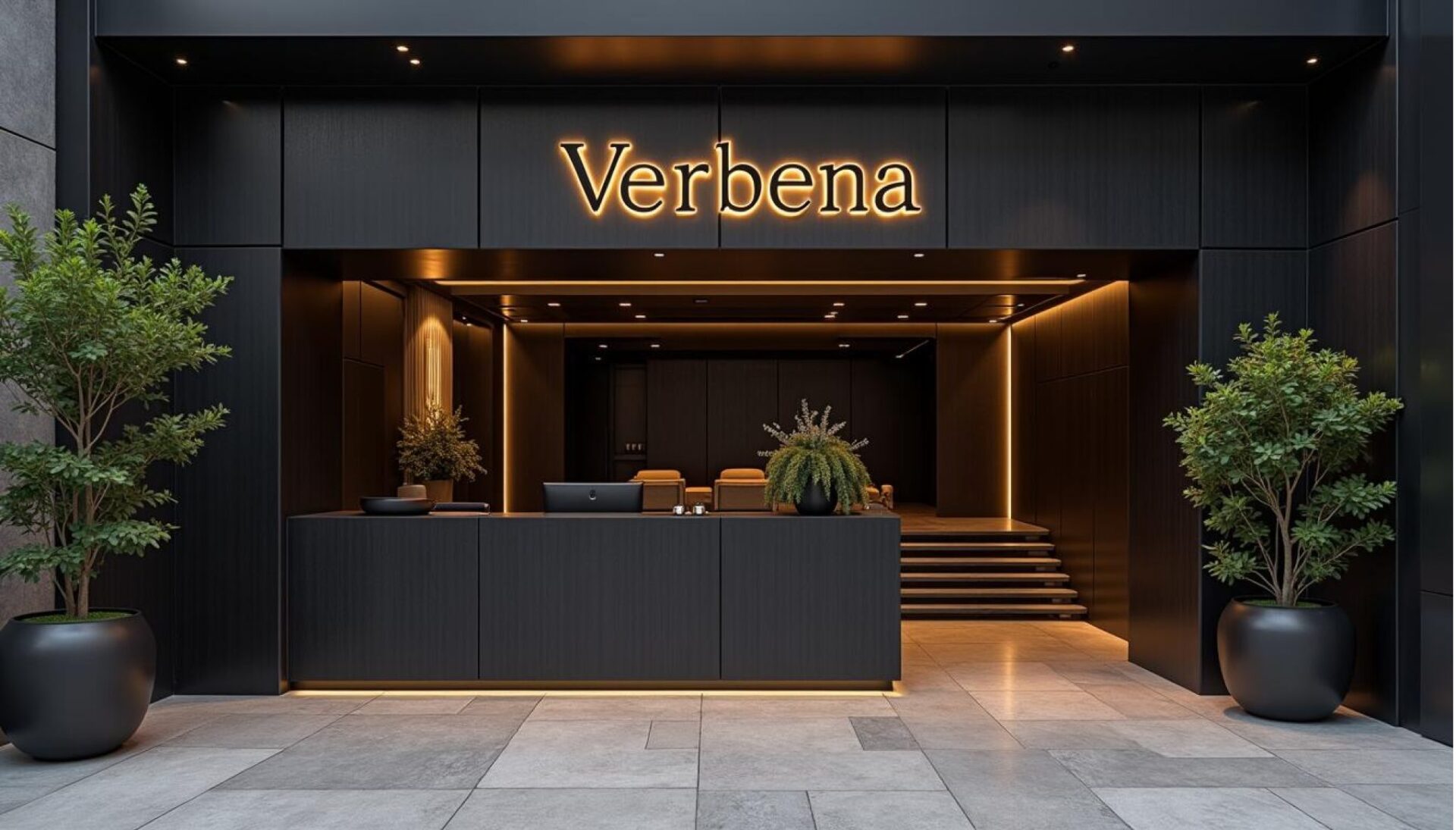

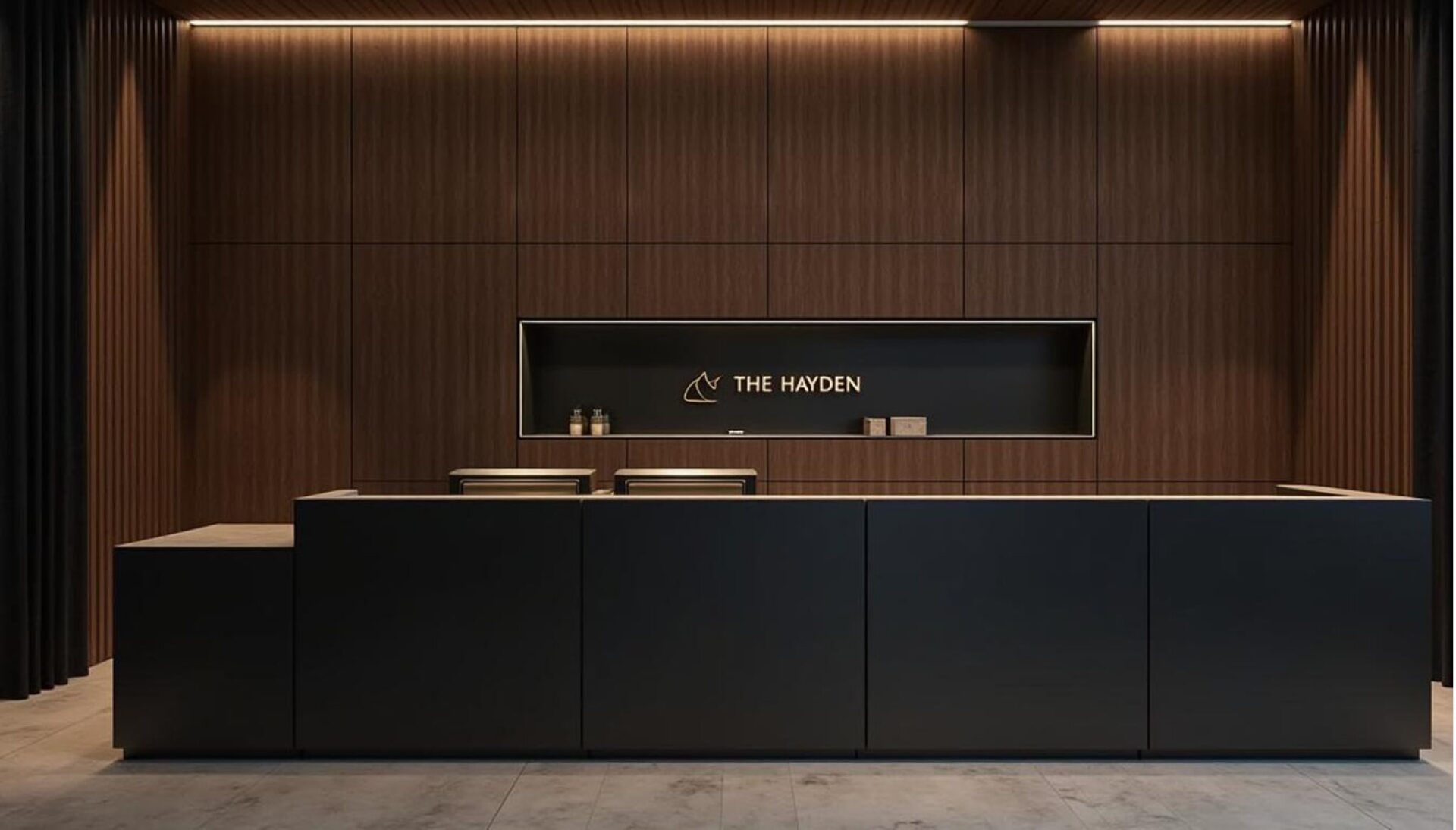
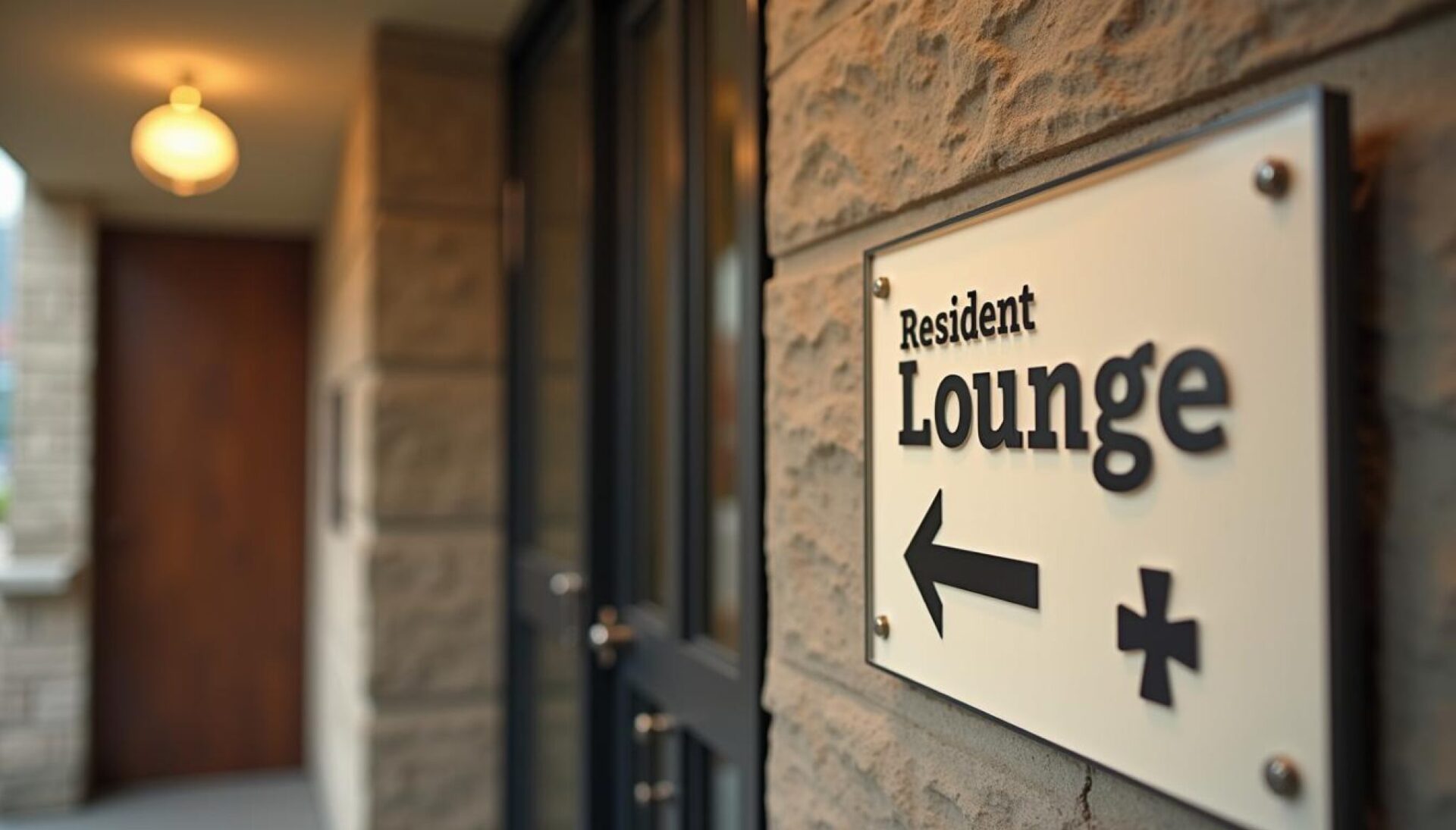
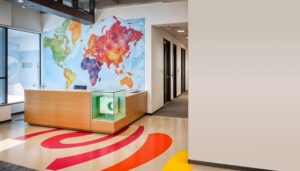

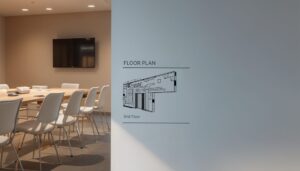
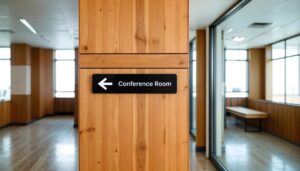
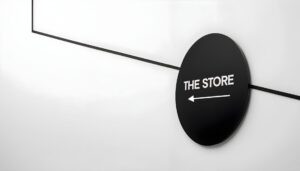

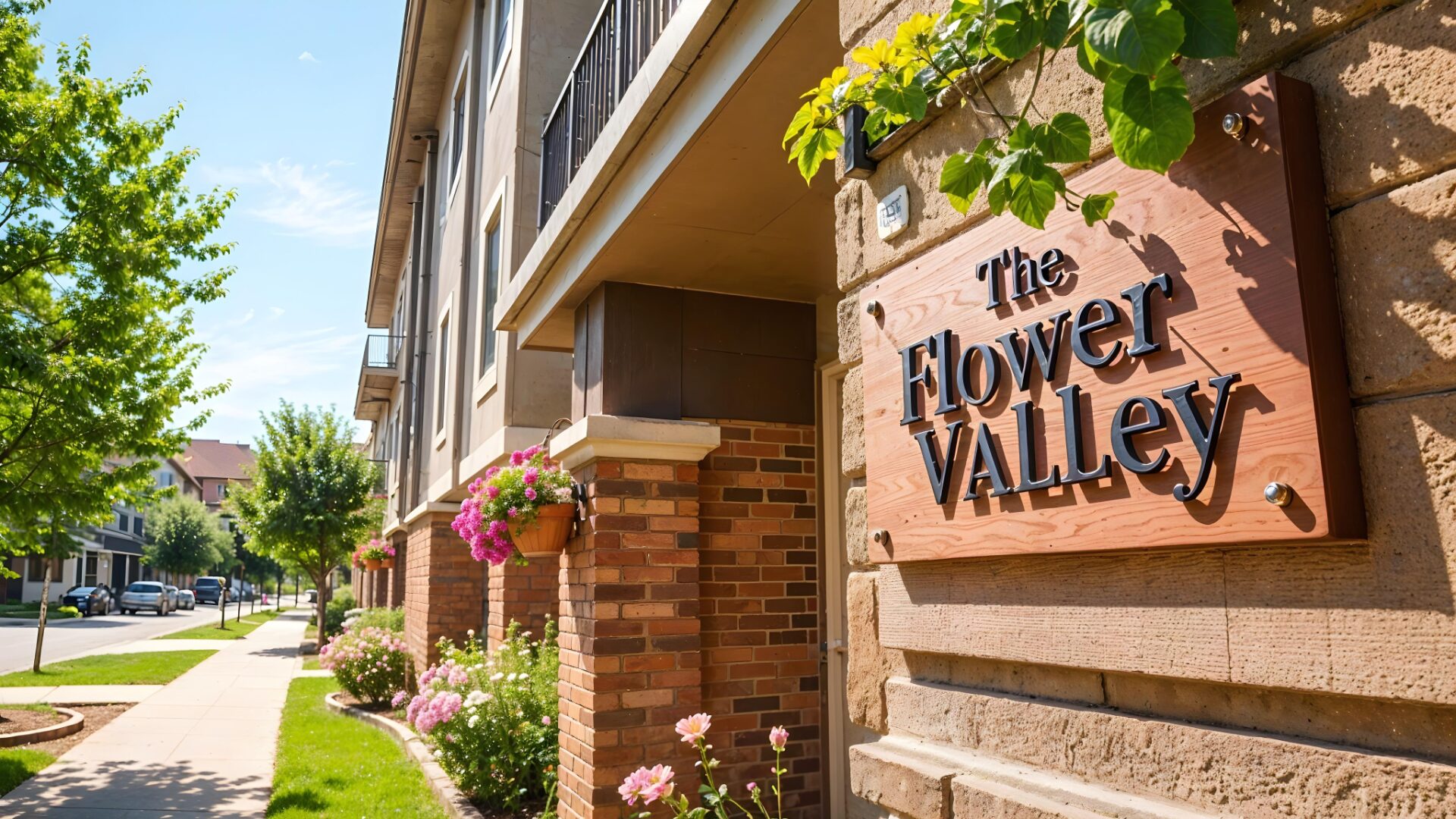
For a multifamily property, the exterior signage is doing leasing work every day. Someone drives past, notices the community name and how well it presents itself, and decides whether to look it up later. That is a low-cost touchpoint that a lot of properties underinvest in.

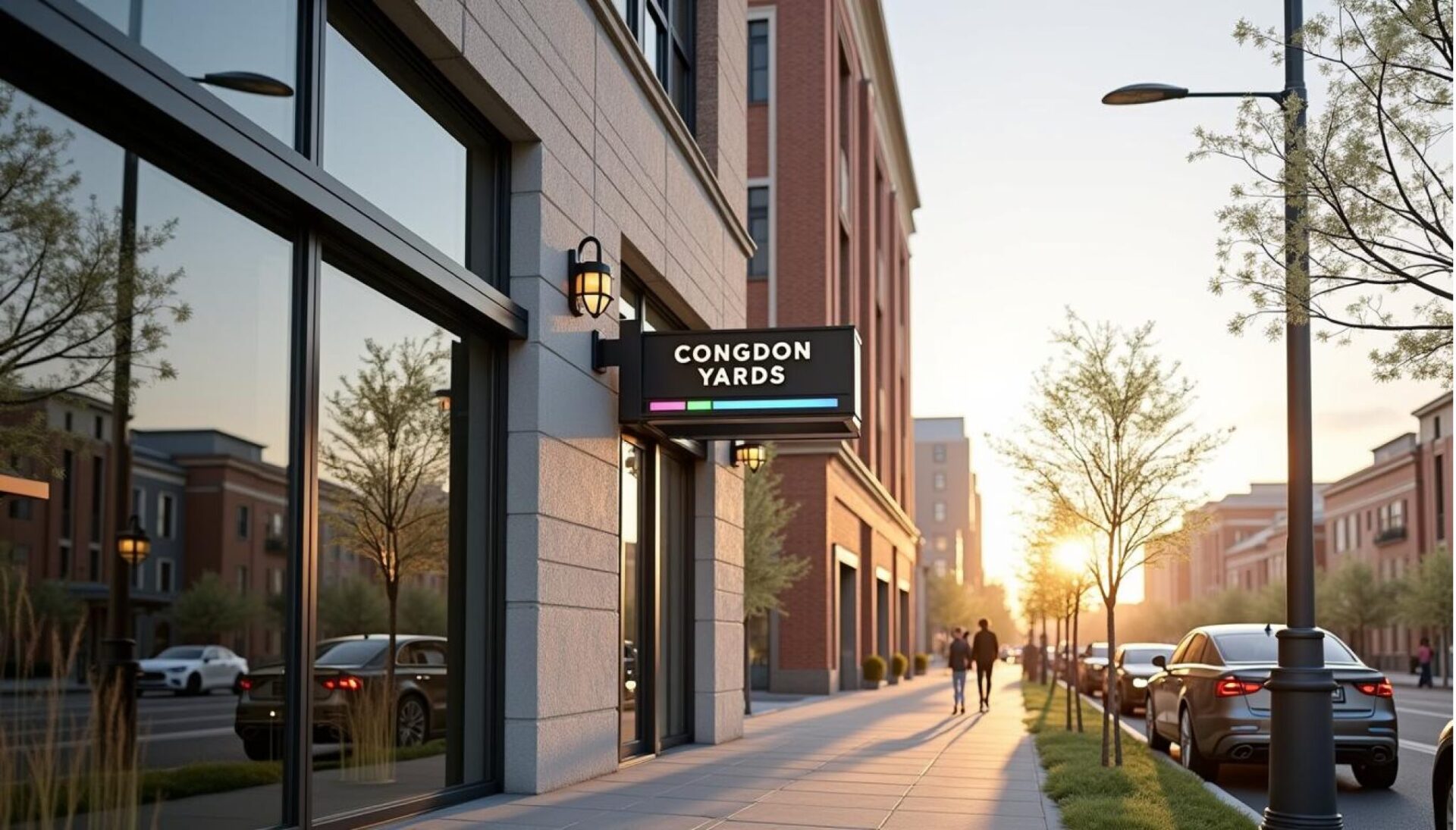
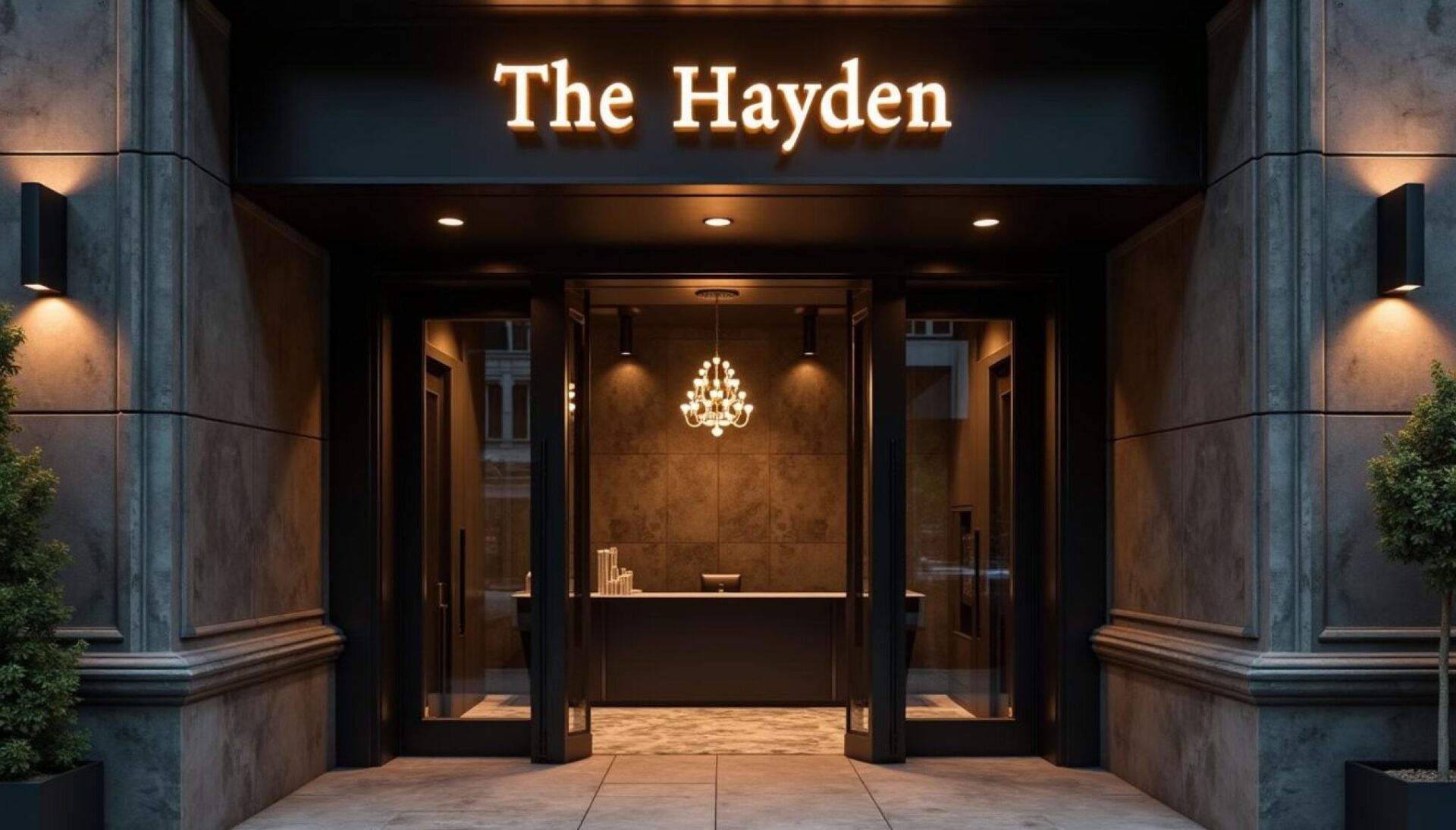
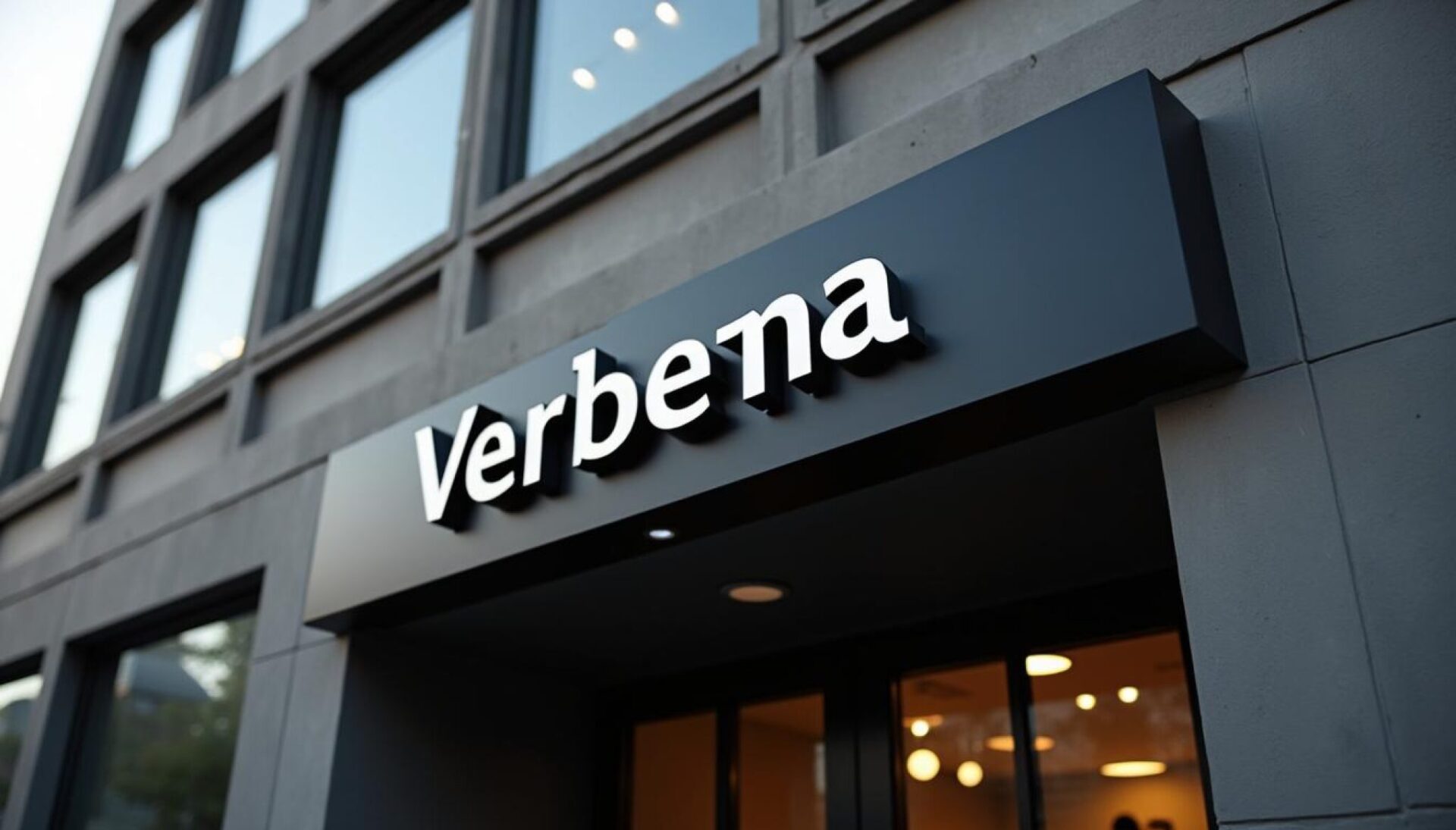
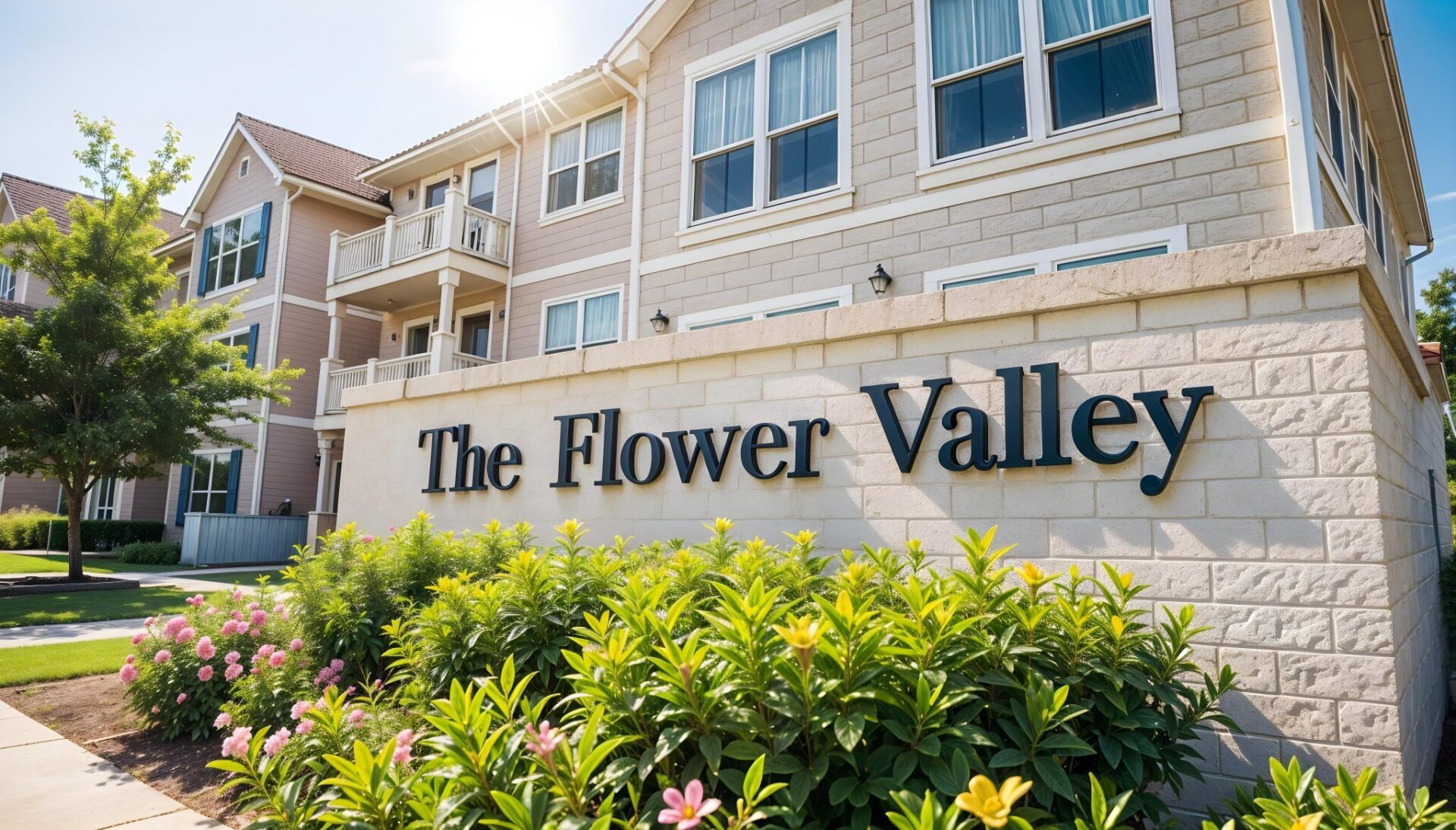
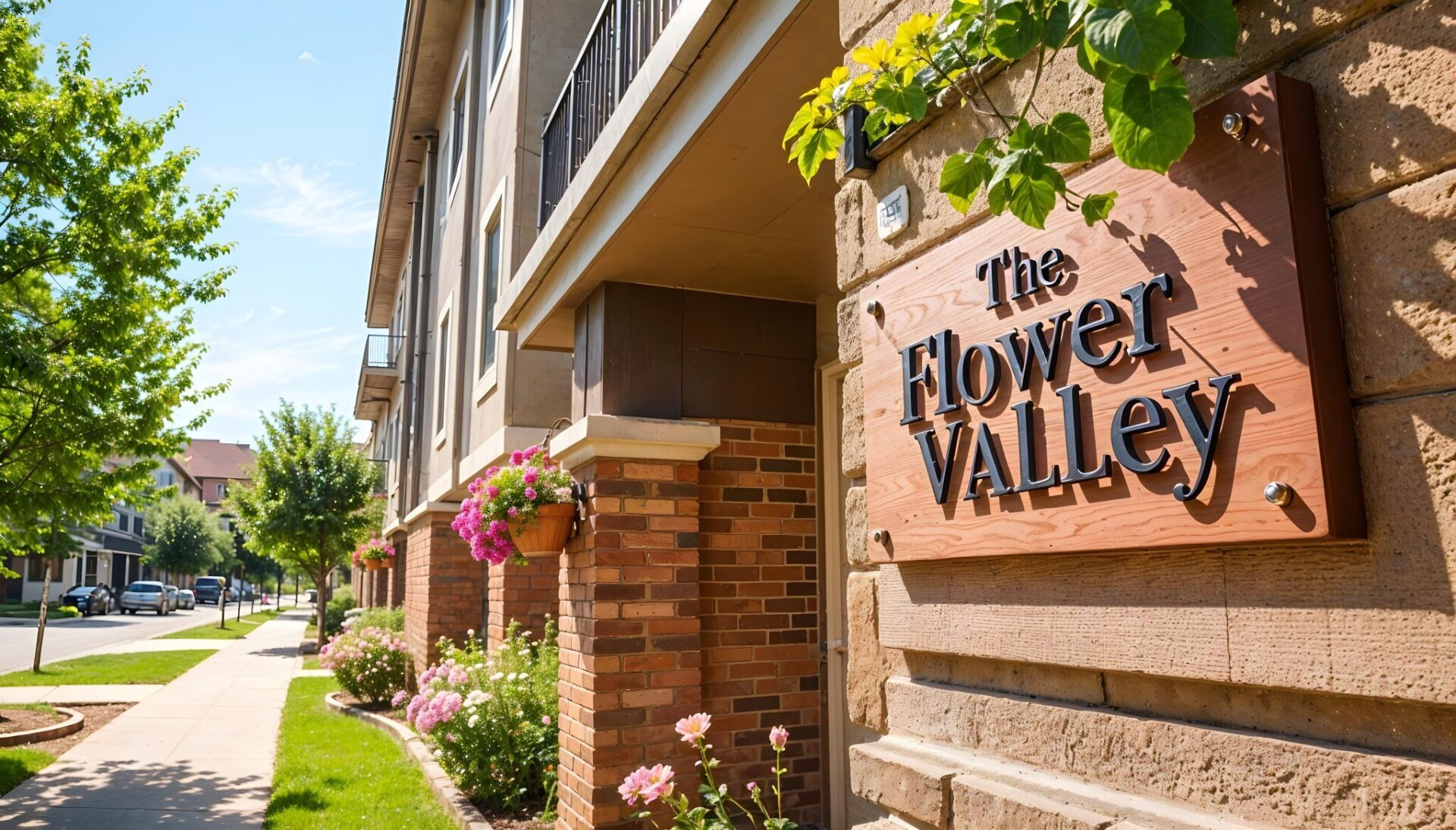

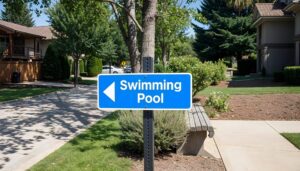
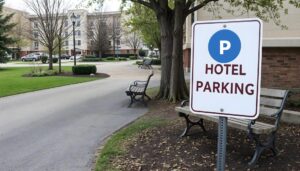
New multifamily developments have a signage challenge that established communities do not. You are trying to lease a community that does not yet feel like one to people who have not seen it at capacity and cannot fully imagine what it will feel like to live there. The physical environment, including the signage, does a lot of work during that period. We work with developers and property management teams on lease-up communities from the construction phase forward. That means signage planned alongside the build rather than ordered as an afterthought when the first units are ready to show. We coordinate with your general contractor on power runs, mounting locations, and installation timing so signage is ready when the property opens, not weeks later. If your development is phased, with some buildings completing before others, we can sequence the signage installation to match so the parts of the property that are leasing look complete even while others are still under construction.
LED digital displays are not the most common sign type on a residential property, but in the right locations they serve a practical role that static signs cannot.
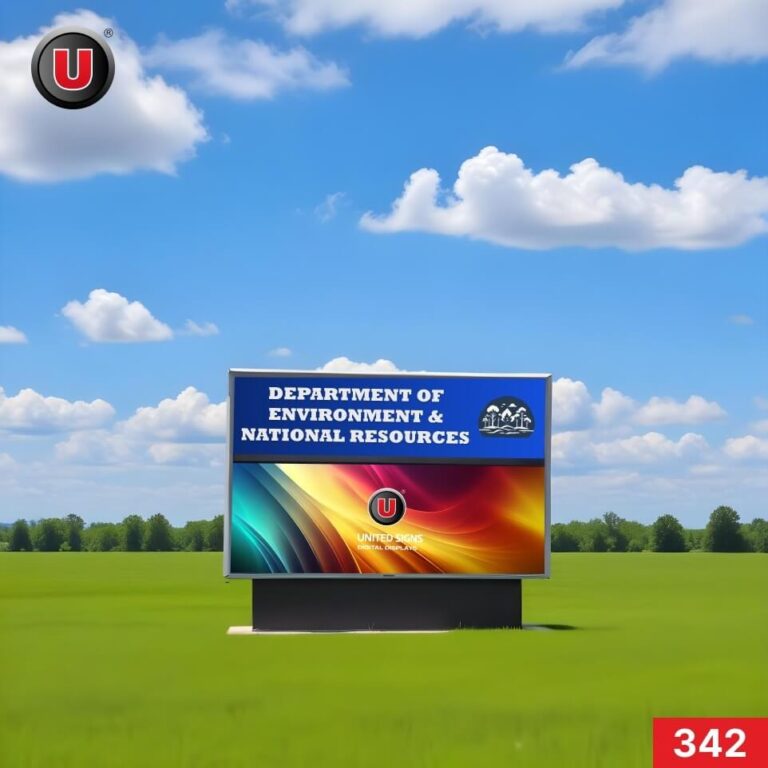
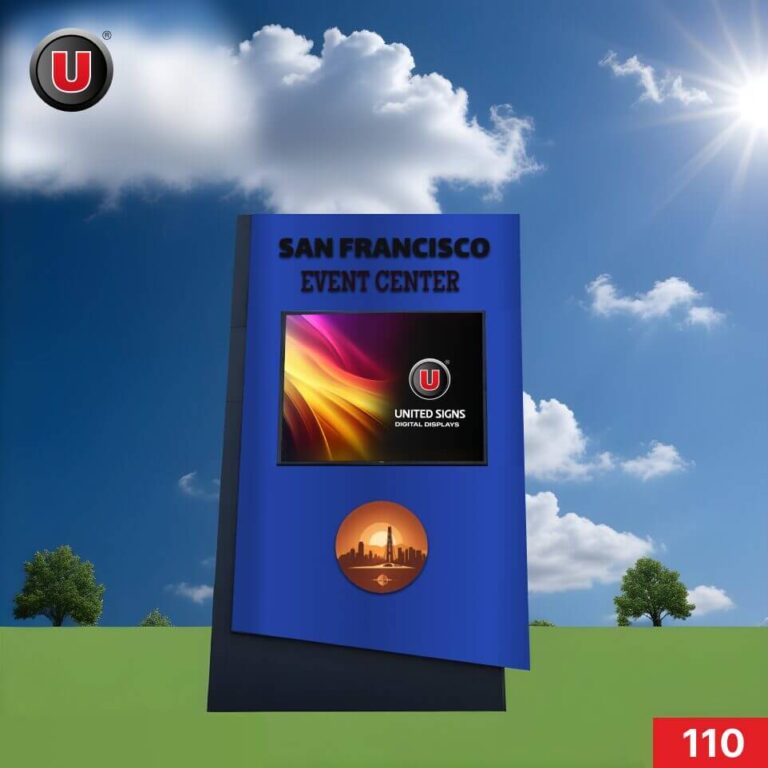
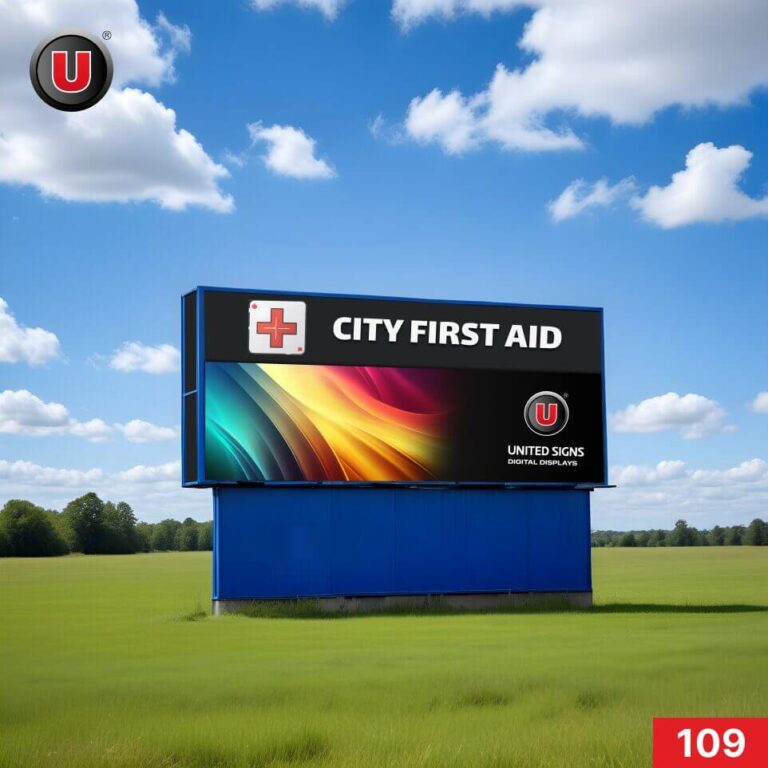
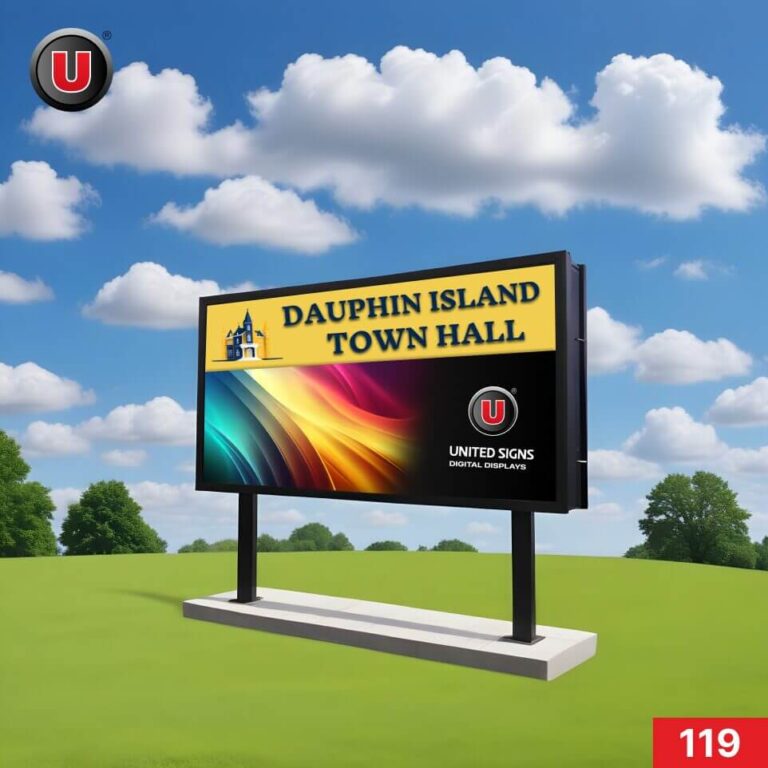
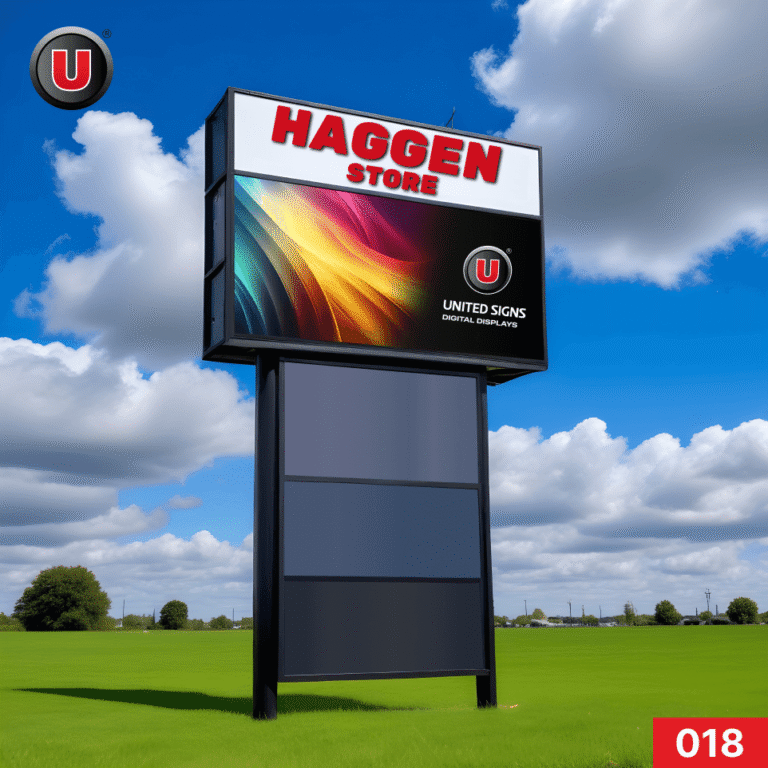
A digital LED monument sign at the community entrance gives the property a live communication channel to the street. Leasing specials, community events, move-in offers, and amenity announcements can all be updated from a computer without reprinting anything. For communities in active lease-up, this is a way to keep the street-facing message current week to week without any operational overhead.
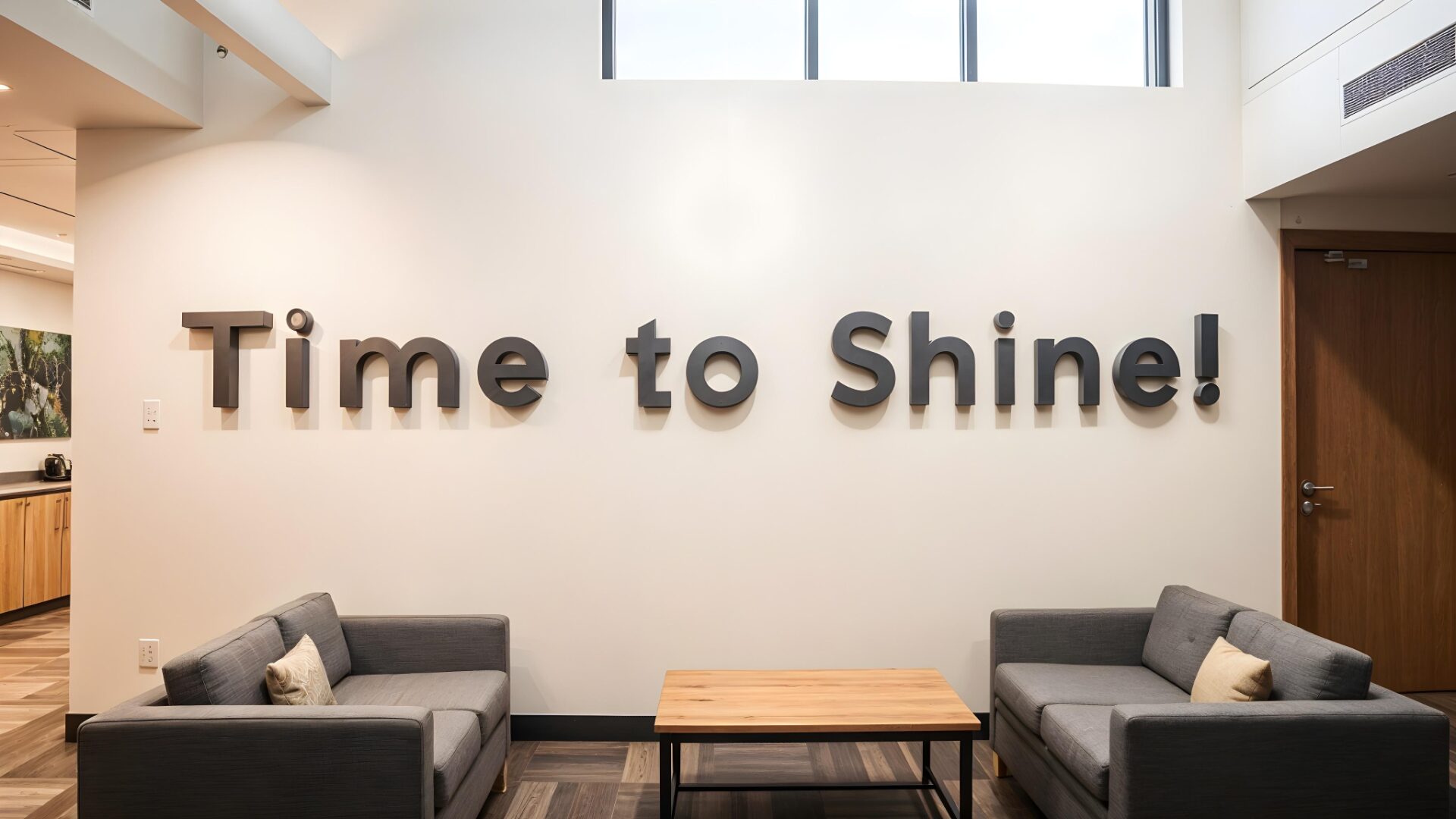
A screen in the lobby or clubhouse common area can run community announcements, local event listings, package delivery alerts, amenity availability, and maintenance updates. For properties trying to reduce resident email volume and increase engagement with community programming, a well-managed lobby display covers a lot of that ground.
A display in the leasing office showing current availability, floor plan highlights, and community amenities gives leasing agents a tool during tours that works better than a printed brochure. Content can be updated as units turn and as specials change without any printing cost.
Our digital displays for multifamily environments are specified for the actual location, whether that's an outdoor monument rated for weather exposure or an interior lobby panel built for continuous operation.
A single community and a portfolio of forty properties are not the same project. Property management companies overseeing multiple communities across a region or across the country need signage that looks and feels consistent from one property to the next. When each community has been handled by a different local vendor over the years, the result is a patchwork that works against the brand the company is trying to build. We have worked with property management companies on portfolio-wide signage programs where consistency across locations was the primary requirement. We assign a dedicated project contact who manages the full scope across all communities, so the regional manager is not coordinating separately with a different vendor at each property. If you're doing a brand refresh across your portfolio or bringing a group of acquired properties into alignment with your existing communities, a signage audit is the right starting point. We can assess what is in place across your properties and outline what a consistent program looks like before any budget is committed.
A lot of signage projects stall because nobody knows what's supposed to happen next. Here's how ours runs:
We look at your property layout, existing signage, brand standards, and what you are trying to accomplish. If the project is tied to a construction timeline or a lease-up date, we factor that in from the start.
You see what the sign will actually look like before anything gets fabricated. Colors, materials, scale, and placement shown against photos of your actual property.
Everything is built in our own facilities. We are not outsourcing to a third party and hoping the spec comes back right.
Our crews handle installation using certified installers with the right equipment and insurance for the job. For active communities, we coordinate installation around resident schedules and operational requirements.
We don't disappear after the truck leaves. If something needs adjusting, or you are opening a new community and need to match existing signage across your portfolio, you are working with the same team.
Multifamily projects often involve phased construction, lease-up timelines, and brand standards set by property management companies or developers. We have worked within all of those scenarios, and we know how to plan a signage project around the realities of residential property development. We handle design, permitting, fabrication, and installation. With over 30 years of experience, more than 1,000 completed projects, and 12 locations across the country, we have regional teams close to most project sites. Whether you are looking for signage for a new development, a rebrand, or a property refresh, we can work with your timeline and tell you upfront what to expect.
Custom exterior and interior signage for multi‑family communities designed to guide residents and visitors, reinforce brand, and support a clean, organized, rent‑ready environment.
Oct 8, 2026
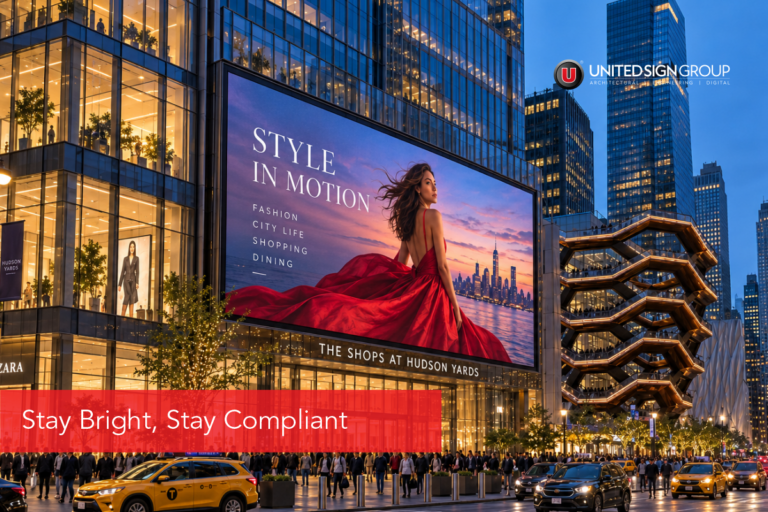
Oct 7, 2026
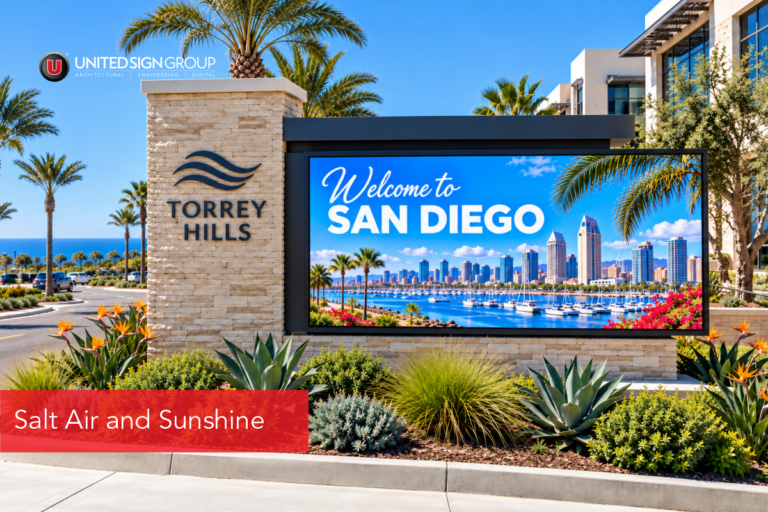
Oct 2, 2026
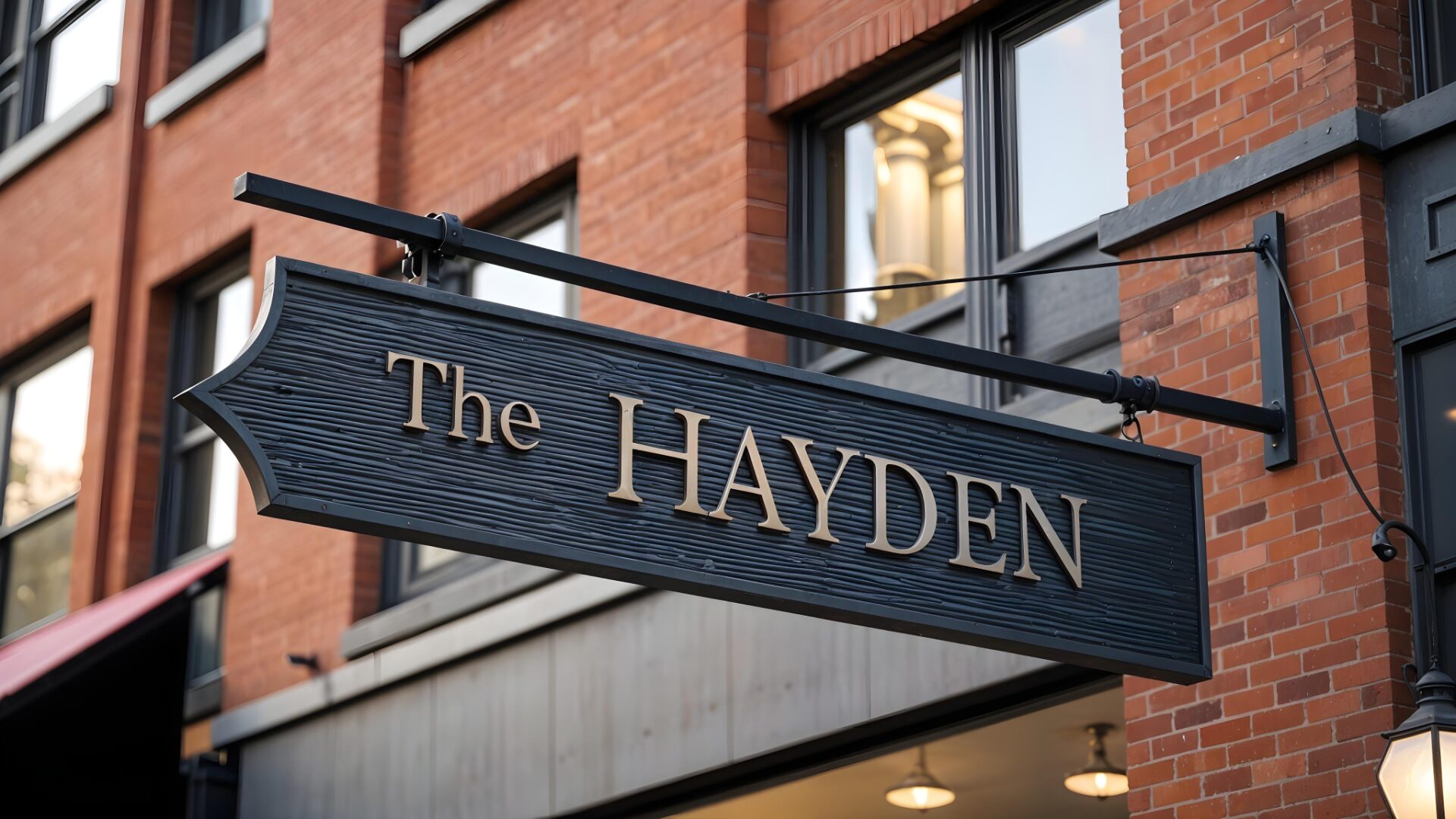
Interior signage including dimensional letters, recognition displays, environmental graphics, digital displays, directory maps, directional signs, room IDs, and regulatory signs. Exterior signage, including blade signs, channel letters, dimensional letters, identification signs, directional signs, and parking signs.
Yes. We work with both directly. If brand standards or design guidelines come from a management company or developer, we work within those from the start.
Yes. We are used to working around construction schedules and phased delivery timelines. Tell us the key dates upfront, and we plan accordingly.
Design, fabrication, and installation are all included. We see the project through to completion.
Yes. Portfolio-wide programs are something we have coordinated before. We assign a dedicated project contact who manages the full scope across all communities, so your regional team is not coordinating with a different vendor at each property.
A signage audit across your communities is usually the right first step. We assess what is in place, identify what needs updating, and outline what a consistent program looks like before any budget is committed. That gives you the information you need to take it through your internal approval process.
Usually yes. If you're replacing a damaged sign or adding a new building to an existing community, we can work from your existing specs or assess the current signage before fabricating anything new. We'll tell you upfront if a perfect match isn't achievable.
Yes. Mixed-use properties have signage requirements that span both residential and commercial environments. We handle both within the same project so the overall sign system looks coordinated rather than split between two different vendors.
As early as possible. Signage planned alongside construction goes in cleaner and costs less than signage added after the fact. If you are still in the design or permitting phase for the development, that is the right time to start the conversation. We can work with your architect and GC to make sure sign locations and power runs are accounted for before walls and ceilings close.
Yes. A programmable exterior LED display at the community entrance lets you push current specials, availability updates, and move-in offers without reprinting anything. For a community in active lease-up, that flexibility is genuinely useful when offers are changing week to week.
Material selection depends on the sign type, location, and durability requirements. Monument signs are commonly built from concrete, brick veneer, aluminum, or HDU depending on the architectural style of the community. We'll recommend materials appropriate to your property's aesthetic and the local climate conditions.
Whether you are planning a single installation or a multi-location custom signage solutions program, our team will respond within 24 hours with a clear next step and no obligation. Tell us about your project, and a specialist will get back to you directly.
Our sales team will respond within 24 hours.
Tell us about your project and a specialist will get back to you within 24 hours.
Thanks for reaching out. A United Signs specialist will contact you within 24 hours.
Get a response in 24 hours