When you look at LED displays you usually notice how bright they are, how clear the picture is and how big they are. These are not the only things that matter. For people who actually buy and set up these displays, there are things to think about. Like how much power will it really use once it is up and running? How much heat will it produce? How often will it need repairs? What does all of that mean or how much will it cost you in the long run? You want to know what it will take to keep it running smoothly and what kind of budget you need to set for it. It is not about how it looks, but about how the outdoor LED display will perform over time.
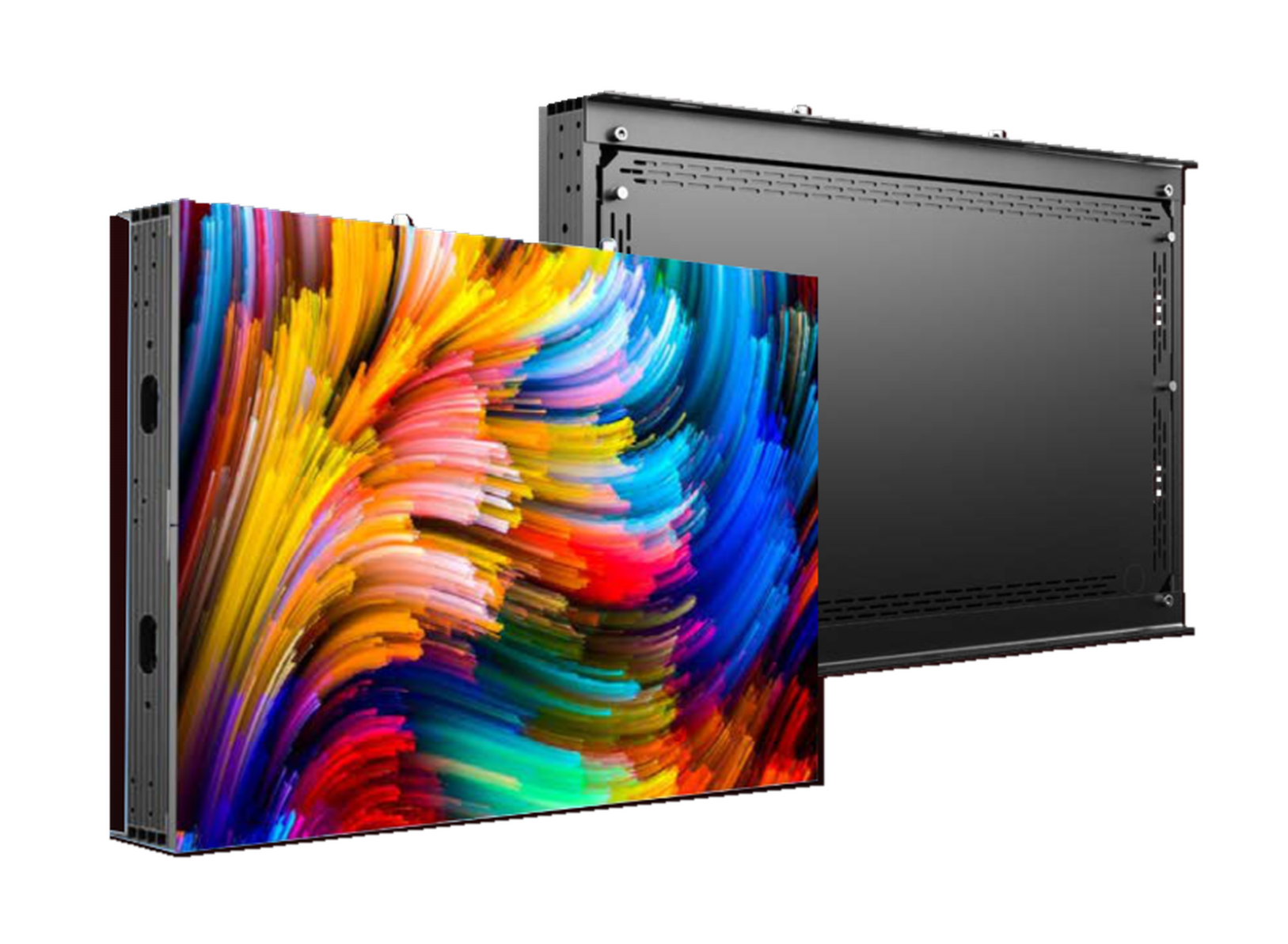
When it comes to LED displays, a common cathode design is definitely worth considering. It is not a technical detail on a spec sheet but a key factor in how some outdoor LED systems like digital billboards and IP-rated products perform in real-world conditions. Take Genesis II, for example. It is an illustration of this approach, combining weatherproof protection, high brightness and contrast energy savings from its common-cathode design, plus monitoring and serviceability all in one robust outdoor platform. This kind of design can make a difference in how well an outdoor LED display runs, especially when it is exposed to the elements. By choosing a cathode outdoor LED display, you can get a more efficient and reliable system that is better suited to outdoor use.
Why the outdoor problem starts with heat
Outdoor LED displays have a hard time dealing with the elements. Sun, rain, dust, or big temperature changes. All these things put a lot of stress on the hardware. When it gets too hot, the display cabinet has to work harder, parts wear out faster, and you are more likely to need repairs. So when you are buying a LED display, think about it as a long-term investment, not just a one-time buy. Consider how it will hold up over time and how much it will cost to maintain. This way, you can make a decision that will save you money and headaches in the long run.
Here is the thing: just because a billboard is really bright, it does not mean it is the best it can be. If it is using too much energy and getting too hot, it can actually make it more expensive to run than you thought. That is exactly the kind of extra cost that common-cathode architecture is designed to avoid. It is about finding a balance between being bright and being efficient. A billboard that is too bright can be a waste of energy. That is not what you want. You want something that is going to get the job done without breaking the bank. So it is not about being bright, but about being smart, too.
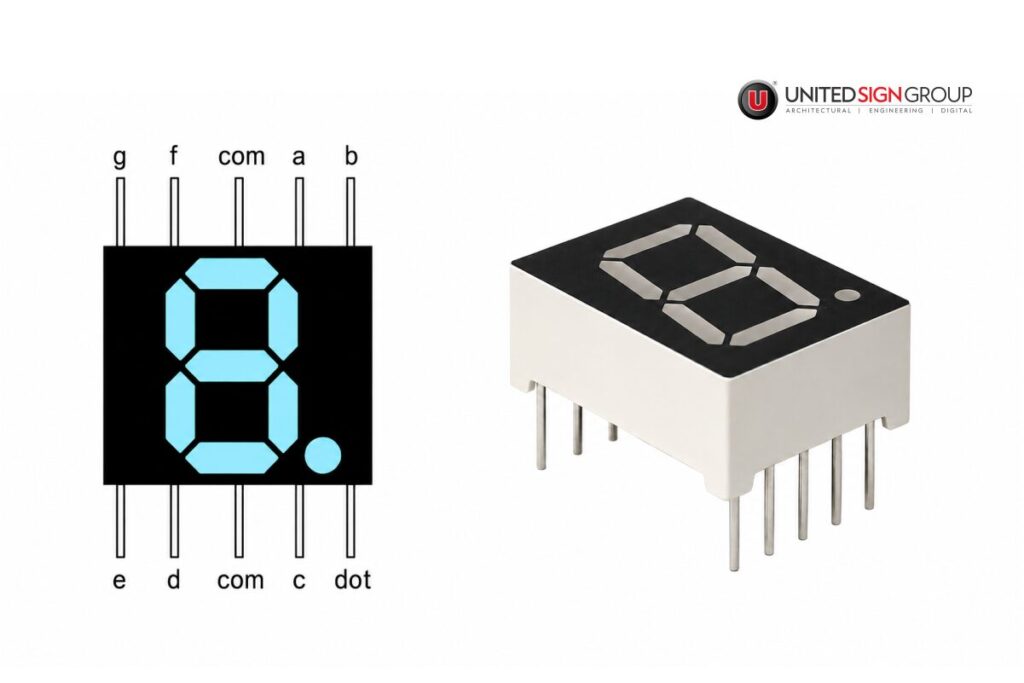
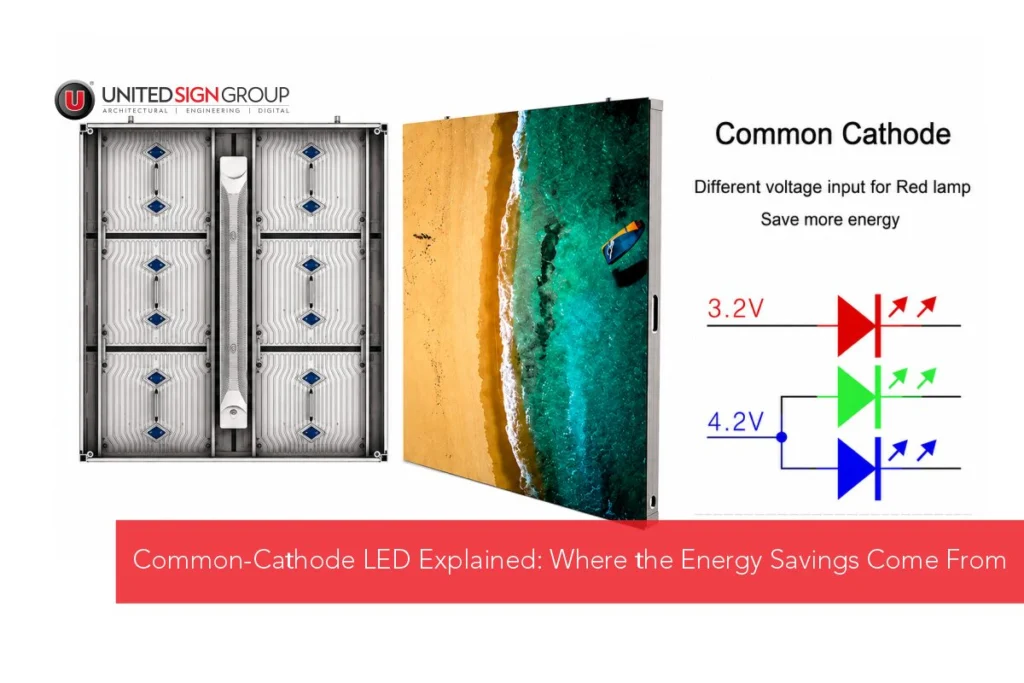
Where the energy savings come from
The common-cathode design is a way to get power to the outdoor LED displays. It does not send power through a path that wastes energy and turns it into heat. Instead, it uses electricity in an efficient way. Simply put, that means there is less energy wasted and more of it is actually used. This design change makes a difference in how well an outdoor LED system works.
Fact: What really counts for buyers is the business value. When you use power, you save money on operating costs. When you give off less heat, your equipment stays stable and lasts longer. This is especially important, found in something like our Genesis II LED sign. The benefits are not just jargon. They directly affect how well the outdoor LED sign works and how long it lasts. For example, better thermal stability means the cabinet, power system and internal electronics will all last longer. This is what matters, not fancy engineering terms. By using power and giving off less heat, you get a more reliable and longer-lasting outdoor LED display.
Why brightness still matters
When it comes to LED displays, brightness is still a key factor but it is not the only thing that matters. These outdoor LED displays need to be visible in sunlight so they have to be bright enough. It is not just about picking the brightest one you can find. You need to find a balance between being able to see the LED display using energy wisely and making sure it lasts a long time. Brightness and contrast are still things to think about when buying an outdoor LED display but you should not just choose the one with the highest number. You need to think about what you need and choose an outdoor LED display that meets those needs.
When it comes to LED displays, what really matters is finding the right balance between being visible and being efficient. The Genesis II gets this balance right by bringing brightness contrast and energy savings in one package. This is important, mainly because an outdoor LED display that you can see clearly but wastes energy can cause problems down the line. On the other hand, an outdoor LED display that balances brightness with lower heat and uses power better is usually the better choice in the long run. It is about making a smart investment that will pay off over time. By choosing an outdoor LED display, you can avoid potential issues and enjoy a stronger performance for years to come.
Why cabinet durability belongs in the conversation
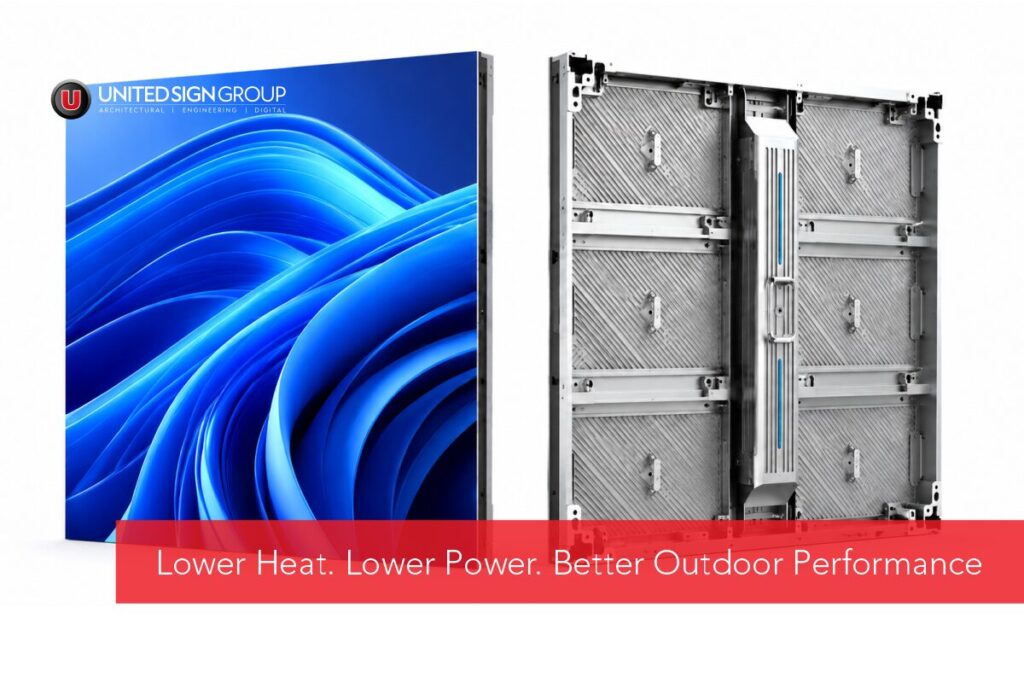
When it comes to outdoor LED displays, it is not just about the pixels you see on the front. What is behind them is just as important. That is where the protection comes in. You need a cabinet that can withstand the elements, like rain, dust and humidity because if it is not built to last, it can affect how well the whole outdoor LED system works. That is why, having an IP-rated LED protection is crucial for outdoor digital billboards and other similar installations. It is what keeps everything running smoothly no matter what the weather throws at it.
The Genesis II is positioned around LED signs and digital billboards with weatherproof cabinet construction, monitoring and serviceability which is exactly the kind of product detail procurement teams should look for. If the cabinet cannot protect the electronics, the energy savings of an efficient design will not fully translate into long-term value.
Monitoring and serviceability reduce costs
Making an outdoor LED display easier to manage after it is set up is a great way to save money in the long run. When you can keep an eye on things from a distance, you are more likely to catch any problems before they become issues. If something does go wrong, being able to fix it quickly makes a huge difference. You might think this is about how things run day-to-day but it actually has a big impact on your bottom line. By dealing with problems and fixing them fast, you can save a lot of money and make your outdoor LED display more cost-effective.
Outdoor LED display systems that are easier to monitor and service usually create surprises. Fewer surprises mean emergency visits, less downtime and less pressure on maintenance budgets. That same logic supports the Genesis II’s focus on monitoring and serviceability.
What technical buyers should ask
When you are checking out a cathode outdoor LED display, do not just think about the cost. You need to ask some questions, such as –
- How does the power design handle heat?
- Is the cabinet protected for use?
- How do things like brightness, contrast, cooling, monitoring and service access all work together?
These are the questions that will show you if a product is really built to last for a long time or if it is just meant to look good for a short demo. You want something that can handle the elements and keep working, not just something that looks nice at first but will not last. So take a look carefully and ask the right questions to make sure you get a product that is built for long-term outdoor performance.
Fact: When it comes to buying something, people often just look at the price tag. For those in charge of purchasing, there is more to consider than just the initial cost. The real thing to think about is the cost of owning something. An outdoor LED display that uses less power, does not get too hot, and is easy-to-care can actually be a better deal in the long run. This is mainly because it can save you money and hassle down the line even if it is not the cheapest option upfront. The problem is, this part of the decision often gets overlooked when buyers are only focused on getting the price right away.
When it comes to choosing an outdoor LED display, it is not just about getting the latest technology. Think about it, a common cathode outdoor LED display can really cut down on energy waste, heat load and maintenance costs over time. So instead of asking, “What is the cheapest option,” you should be asking, “What is the total cost of owning and operating this outdoor LED display?.” That way, you can make a decision that will benefit your business in the long run. It is about looking at the bigger picture and considering what will really save you time, money, and stress in the end.
That’s where Genesis II comes in.
It’s a type of LED display that uses something called a common-cathode LED. This means, it uses power efficiently and doesn’t get as hot. It’s like a car that uses gas and doesn’t break down as much. Genesis II is an example of this because it has a strong cabinet that protects it from the weather, and it’s also bright and clear.
Genesis II has a cabinet that can withstand rain, dust and humidity. This also means that it will last longer and need repairs.
Want to know the cost of ownership?
It’s not about the upfront price. It’s about how much the display will cost you to own and operate over time. A common cathode LED display might cost a bit more at first. It can save you money in the long run because it uses less power and needs fewer repairs.
For people who buy and compare LED displays, digital billboards and IP-rated LED systems Genesis II is a good option. It makes sense both commercially and technically. It has cabinet protection, brightness and contrast balance, common-cathode energy savings, monitoring and serviceability. If you’re thinking about the cost of ownership, that’s the conversation worth having. Talk to our experts today!