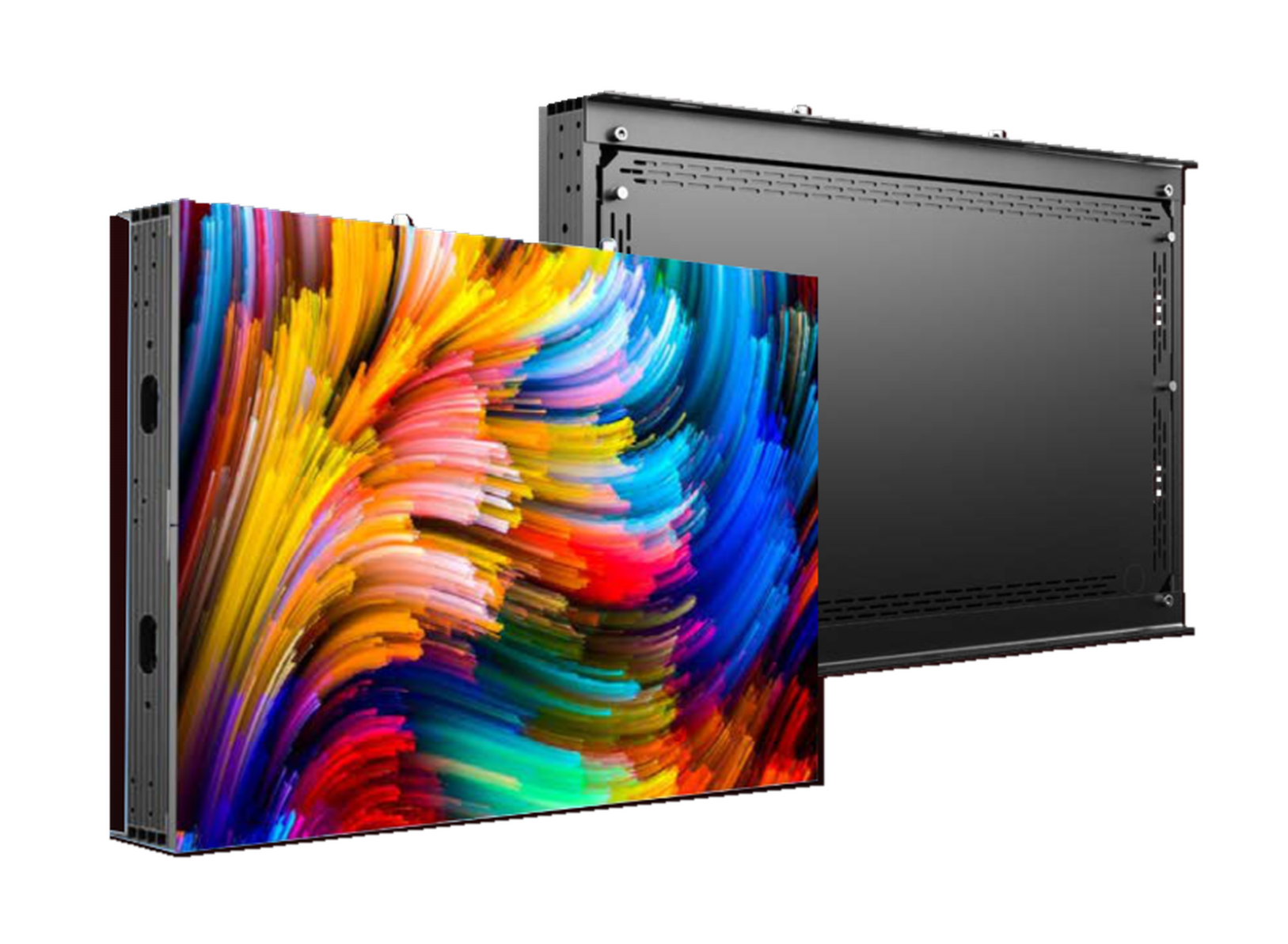
A high-contrast fine-pitch LED is not just about smaller pixels or a sharper spec sheet. In premium indoor spaces, the real difference often comes from black levels, contrast, and how natural the image looks when people are standing close to the screen. If you’re comparing indoor LED options, start with how the display actually looks in the room (not just the pitch number on the datasheet).
A display can have impressive resolution and still look flat if the blacks appear gray. That’s why buyers should look beyond pitch alone and judge how the screen handles depth, shadow, and mixed lighting. In many cases, those visual details matter more than raw pixel count.
Why Black Levels Matter
Black levels shape the way the human eye reads the image. Deeper blacks make colors feel richer, text easier to read, and motion more polished. When black performance is weak, the image can lose contrast and look washed out, especially with dark scenes or branded content.
This matters most in spaces where the display is part of the experience. A boardroom screen, worship wall, retail feature, or control-room display should feel crisp and controlled, not just technically dense. Strong blacks help the screen look premium even before the viewer notices resolution.
Resolution Is Only One Piece
Resolution tells you how much detail the screen can show. However, detail alone doesn’t guarantee image quality. If the black levels are weak, the display may still look soft, especially in rooms with ambient light or on content that relies on dark tones.
Therefore, high-contrast fine-pitch LEDs are often a better buying lens than resolution alone. At close viewing distances, people notice tonal depth, color separation, and image balance more than they notice a spec number. In practice, the screen has to look good to the eye, not only to the datasheet.

Contrast in Context: An Example
Consider two common installs:
A boardroom screen viewed from 6-8 feet. Here, fine pixel pitch matters, but so does how the screen renders dark suit jackets, shadows in video calls, and text on dark slide backgrounds. Weak black levels make everything look slightly gray and less crisp, even at a tight pitch.
A lobby or worship wall viewed from 15-25 feet. At this distance, pitch is more forgiving, but contrast becomes the dominant factor in how “premium” the display feels from across the room. A screen with strong blacks reads as sharp and intentional even at a wider viewing distance.
What Buyers Should Compare
Before choosing a display, compare the elements that affect real-world viewing:
- Pixel pitch
- Black levels
- Contrast performance
- Off-axis visibility
- Brightness balance
- Performance with dark content
- Consistency across the full screen
These details help buyers judge the screen the way the audience will actually see it. A display that performs well across these areas usually delivers a more premium result than one that simply claims a tighter pitch. Testing with both bright and dark visuals gives you a better read on real performance.
Where This Matters Most
High-contrast fine-pitch LED is especially valuable in indoor spaces where image quality shapes perception:
- Control rooms need clarity for fast, accurate reading of data
- Executive and boardroom spaces need polish for video calls and presentations
- Retail environments need visual confidence to reflect brand quality
- Worship settings need depth and readability for lyrics, video, and lighting-heavy scenes
It also matters when content changes often. Video, motion graphics, and slides with dark backgrounds all benefit from strong black levels. If the display holds contrast well, the content feels more intentional and more immersive.
A Smarter Buying Approach
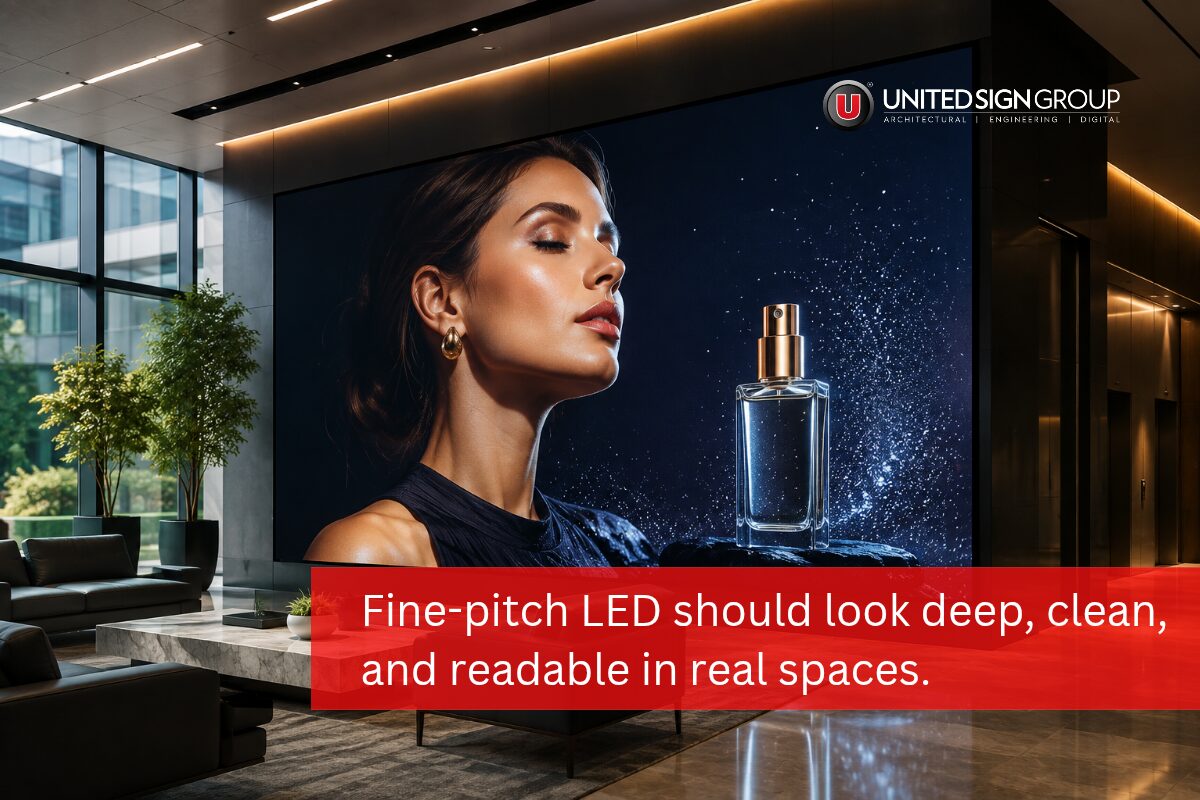
The best question isn’t “What’s the smallest pitch?” It’s “How will this screen look in the room, at the distance people will actually view it?” That question forces the buyer to think about the whole image, not just one number.
A premium LED screen should create a strong visual experience. It should look deep, clean, and readable from the first glance. In most indoor installs, that depends just as much on black levels as on resolution.
Quick Buyer Checklist

- Pixel pitch: Match the screen to the normal viewing distance
- Black levels: Check how deep dark content looks
- Contrast: Confirm the image stays clear in real lighting
- Viewing angle: Make sure the image holds up from the side
- Content type: Test both bright and dark visuals
- Room use: Match the screen to the actual environment
FAQs
1: Why do black levels matter in fine-pitch LEDs?
Black levels affect contrast, and contrast affects how sharp and readable the image feels. Better blacks make the display look deeper and more premium, even at a wider pixel pitch.
2: Is higher resolution always better?
No. A higher-resolution screen can still look flat if contrast is weak or the blacks appear gray. Resolution and contrast are separate specs, and both matter for real-world image quality.
3: What spaces benefit most from high-contrast fine-pitch LEDs?
Boardrooms, control rooms, retail spaces, worship spaces, museums, and other premium indoor environments benefit most, especially where viewers are close to the screen.
4: What should I compare besides pixel pitch?
Compare black levels, contrast, viewing angles, brightness balance, and how the screen handles dark content .
5: What pixel pitch is right for my viewing distance?
Rule of thumb: pixel pitch (mm) × 3-5 = minimum comfortable viewing distance (feet). A 1.2mm pitch suits close viewing (4-6 ft), while 2.5mm works well from 8-12+ ft. Boardrooms need a finer pitch; lobbies and worship walls can go wider.
6: Does high-contrast fine-pitch LED cost more than standard LED?
Generally, yes. Finer pitch and stronger black-level performance require higher-density components and tighter manufacturing tolerances. The exact premium depends on your space and specs, so request a quote for pricing specific to your project.
7: How do I know if a display has good black levels before buying?
Ask for the panel’s ANSI contrast ratio rather than just its pitch. Also, request a live demo with dark content (a night scene or dark-background slide); that’s where weak black levels show up most clearly.
And… That’s a Wrap!
High-contrast fine-pitch LEDs are about more than pixel count. It’s about creating a screen that feels deep, polished, and credible in the moments that matter most. Explore our fine-pitch LED display options or request a quote from our team to find the right fit for your space.